
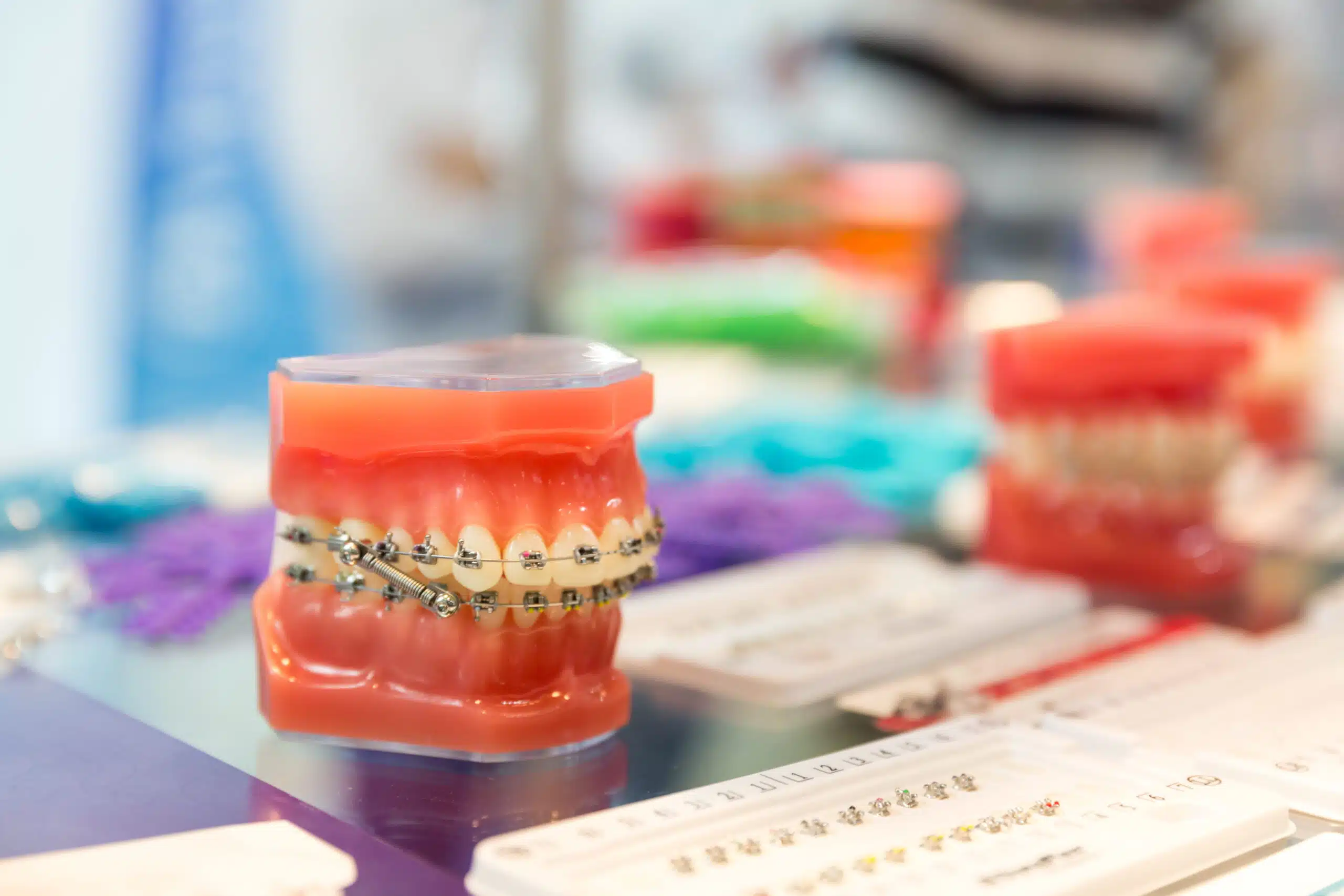
Braces for Teens: How to Choose the Right Time and Treatment

October 23, 2026
Featured image for “Braces for Teens: How to Choose the Right Time and Treatment”

Share:

Most teens begin orthodontic treatment between ages 9 and 16, depending on permanent tooth development, jaw growth, and the type of bite problem. The American Dental Association notes that orthodontic treatment often begins between ages 8 and 14, although the appropriate timing varies by patient.

The teenage years are a common time for braces because most permanent teeth have erupted and orthodontic problems are easier to assess. These problems include crowded teeth, excessive spacing, overbites, underbites, and crossbites.

Age alone should not determine when treatment starts. An orthodontic evaluation helps identify whether the teen needs treatment now or should wait until further dental development.

What signs indicate that a teenager may need braces?

A teenager may need braces when tooth alignment or the bite interferes with proper function, creates excessive spacing, or causes significant crowding. A dental examination determines whether these problems require orthodontic correction.

Common signs include:

  • Crowded or overlapping teeth that are difficult to clean.
  • Noticeable gaps between teeth, including spaces caused by uneven tooth development.
  • An overbite, where the upper front teeth extend too far over the lower teeth.
  • An underbite, where the lower front teeth sit ahead of the upper front teeth.
  • A crossbite, where some upper teeth bite inside the lower teeth.
  • Open bite, where the upper and lower front teeth do not meet when the back teeth close.
  • Difficulty biting or chewing because the teeth do not meet correctly.
  • Teeth that protrude and may be more vulnerable to injury.

These signs do not all require the same treatment. Some alignment problems can be managed with braces alone, while others may require additional appliances or a treatment plan that considers jaw development.

A dentist or orthodontist can evaluate the bite, tooth positions, gum health, and dental development before recommending treatment.

Which type of braces is best for teenagers?

The best braces for a teenager depend on the complexity of the alignment problem, treatment goals, oral hygiene, and ability to follow the prescribed plan. Metal braces, ceramic braces, and clear aligners are common options to discuss during an orthodontic consultation.

The following table summarizes the main differences.

Treatment optionMain characteristicsImportant consideration
Traditional metal bracesMetal brackets and an archwire gradually move teeth.Suitable for many types of alignment problems.
Ceramic bracesTooth-colored ceramic brackets use an archwire to move teeth.Less noticeable than metal brackets, but brackets may stain or chip.
Clear alignersRemovable transparent trays move teeth in stages.Require consistent wear and may not suit every case.

Traditional braces remain a practical option for many teenagers because they are fixed to the teeth and do not depend on the patient remembering to insert them. Ceramic braces offer a less noticeable fixed alternative.

Clear aligners may suit teens who prefer removable appliances and can follow their prescribed wear schedule. They must be removed for eating and drinking anything other than water, then cleaned before being reinserted.

Not every treatment is appropriate for every bite problem. Review the available types of braces and orthodontic treatment options to understand the differences before discussing individual suitability with a dental professional.

How long do teenagers usually need to wear braces?

Comprehensive orthodontic treatment often takes about 18 to 24 months, although some cases finish sooner and others take longer. The actual duration depends on the severity of the misalignment, tooth movement required, and the patient’s response to treatment.

Mild spacing problems may require less time than complex bite corrections. Treatment involving significant crowding or jaw relationships may take longer.

Several factors can influence the timeline:

  • Case complexity: Extensive tooth movement usually requires more time than minor alignment.
  • Appointment attendance: Scheduled adjustment visits allow the clinician to monitor progress.
  • Appliance care: Broken brackets and damaged wires can delay treatment.
  • Patient cooperation: Following instructions for rubber bands and aligners helps keep treatment on track.
  • Oral health: Cavities and gum inflammation may require attention before treatment continues safely.

The orthodontist should provide an individualized estimate after examining the teeth and reviewing diagnostic records. Treatment duration is an estimate, not a guaranteed completion date.

What should teens do before getting braces?

Teens should have their teeth and gums examined, address existing dental problems, and understand daily appliance care before starting orthodontic treatment. These steps help establish a suitable foundation for moving teeth safely.

Before treatment begins, the dentist or orthodontist may evaluate tooth alignment, bite relationships, gum condition, and jaw development. Dental X-rays or other diagnostic records may be recommended when clinically necessary.

Teens should also establish a consistent cleaning routine. Brushing around brackets and wires requires careful attention, while clear aligners must be cleaned according to professional instructions.

The American Dental Association explains that braces can make cleaning more challenging because food and plaque collect around brackets and wires. Poor cleaning can increase the risk of white spots, cavities, and gum inflammation.

Before agreeing to treatment, parents and teens should ask about the expected duration, appointment schedule, estimated fees, insurance coverage, and retainer requirements. They should also discuss sports and activities that could expose the mouth to impact. A properly fitted mouthguard may be recommended for contact sports.

How can parents choose the right orthodontic treatment in Littleton, CO?

Parents can choose an appropriate treatment plan by comparing clinical recommendations, appliance suitability, estimated costs, and the level of follow-up care available. The decision should be based on the teenager’s dental needs rather than appearance alone.

For families considering braces, a visit at Red Rocks Family Dentistry in Littleton, CO can help clarify the available orthodontic options and the next steps for treatment planning.

During the consultation, ask these questions:

  • Which alignment or bite problems need correction?
  • Which appliance is suitable for the teenager’s specific case?
  • How long is treatment expected to take?
  • What is included in the treatment fee?
  • How frequently are follow-up appointments required?
  • What happens if a bracket breaks or an aligner is lost?
  • How long will retainers be needed after treatment?

The answers help families understand both the clinical plan and the practical responsibilities involved.

For a teenager who is ready to begin treatment, the next step is to contact Red Rocks Family Dentistry to arrange a consultation. The dental team can review the patient’s needs and explain the available options.

Why are retainers necessary after teen braces?

Retainers help maintain tooth alignment after braces are removed because teeth can shift as the surrounding tissues adapt to their new positions. The type of retainer and recommended wear schedule depend on the treatment plan.

After braces, the bone and supporting tissues need time to adapt to the corrected tooth positions. Teeth can move again if retainers are not worn as instructed.

Retainers may be removable, such as clear plastic trays or Hawley retainers made with acrylic and wire, or fixed, such as a thin wire bonded behind selected teeth. Each type requires proper cleaning and monitoring.

Teens should follow their clinician’s instructions and report a retainer that feels loose, becomes damaged, or no longer fits properly. Read more about why teeth shift back after braces to understand why retention is an essential part of orthodontic care.

Choosing the right time for braces starts with a professional evaluation. A personalized plan can address alignment, bite function, oral hygiene, and long-term retention while helping teenagers understand their role in treatment.

FAQs

At what age should a teenager get braces?

Most teenagers can begin braces between ages 9 and 16, depending on permanent tooth development, jaw growth, and orthodontic needs.

Are metal braces better than clear aligners for teens?

Metal braces may suit complex alignment problems, while clear aligners may work for selected cases when teens consistently follow their prescribed wear schedule.

Do braces hurt when they are first applied?

Braces may cause temporary pressure, tenderness, or irritation after placement and adjustments, but the discomfort generally improves as the mouth adapts.

Can teenagers play sports while wearing braces?

Yes, teenagers can usually participate in sports while wearing braces, but a properly fitted mouthguard is recommended for activities involving possible contact or facial impact.

Do teenagers need retainers after braces?

Yes, retainers help maintain the corrected tooth positions, and the orthodontist will recommend the appropriate type and wearing schedule.

Braces for Teens: How to Choose the Right Time and Treatment

October 23, 2026

Most teens begin orthodontic treatment between ages 9 and 16, depending on permanent tooth development, jaw growth, and the type of bite problem. The American Dental Association notes that orthodontic treatment often begins between ages 8 and 14, although the appropriate timing varies by patient.

The teenage years are a common time for braces because most permanent teeth have erupted and orthodontic problems are easier to assess. These problems include crowded teeth, excessive spacing, overbites, underbites, and crossbites.

Age alone should not determine when treatment starts. An orthodontic evaluation helps identify whether the teen needs treatment now or should wait until further dental development.

What signs indicate that a teenager may need braces?

A teenager may need braces when tooth alignment or the bite interferes with proper function, creates excessive spacing, or causes significant crowding. A dental examination determines whether these problems require orthodontic correction.

Common signs include:

  • Crowded or overlapping teeth that are difficult to clean.
  • Noticeable gaps between teeth, including spaces caused by uneven tooth development.
  • An overbite, where the upper front teeth extend too far over the lower teeth.
  • An underbite, where the lower front teeth sit ahead of the upper front teeth.
  • A crossbite, where some upper teeth bite inside the lower teeth.
  • Open bite, where the upper and lower front teeth do not meet when the back teeth close.
  • Difficulty biting or chewing because the teeth do not meet correctly.
  • Teeth that protrude and may be more vulnerable to injury.

These signs do not all require the same treatment. Some alignment problems can be managed with braces alone, while others may require additional appliances or a treatment plan that considers jaw development.

A dentist or orthodontist can evaluate the bite, tooth positions, gum health, and dental development before recommending treatment.

Which type of braces is best for teenagers?

The best braces for a teenager depend on the complexity of the alignment problem, treatment goals, oral hygiene, and ability to follow the prescribed plan. Metal braces, ceramic braces, and clear aligners are common options to discuss during an orthodontic consultation.

The following table summarizes the main differences.

Treatment optionMain characteristicsImportant consideration
Traditional metal bracesMetal brackets and an archwire gradually move teeth.Suitable for many types of alignment problems.
Ceramic bracesTooth-colored ceramic brackets use an archwire to move teeth.Less noticeable than metal brackets, but brackets may stain or chip.
Clear alignersRemovable transparent trays move teeth in stages.Require consistent wear and may not suit every case.

Traditional braces remain a practical option for many teenagers because they are fixed to the teeth and do not depend on the patient remembering to insert them. Ceramic braces offer a less noticeable fixed alternative.

Clear aligners may suit teens who prefer removable appliances and can follow their prescribed wear schedule. They must be removed for eating and drinking anything other than water, then cleaned before being reinserted.

Not every treatment is appropriate for every bite problem. Review the available types of braces and orthodontic treatment options to understand the differences before discussing individual suitability with a dental professional.

How long do teenagers usually need to wear braces?

Comprehensive orthodontic treatment often takes about 18 to 24 months, although some cases finish sooner and others take longer. The actual duration depends on the severity of the misalignment, tooth movement required, and the patient’s response to treatment.

Mild spacing problems may require less time than complex bite corrections. Treatment involving significant crowding or jaw relationships may take longer.

Several factors can influence the timeline:

  • Case complexity: Extensive tooth movement usually requires more time than minor alignment.
  • Appointment attendance: Scheduled adjustment visits allow the clinician to monitor progress.
  • Appliance care: Broken brackets and damaged wires can delay treatment.
  • Patient cooperation: Following instructions for rubber bands and aligners helps keep treatment on track.
  • Oral health: Cavities and gum inflammation may require attention before treatment continues safely.

The orthodontist should provide an individualized estimate after examining the teeth and reviewing diagnostic records. Treatment duration is an estimate, not a guaranteed completion date.

What should teens do before getting braces?

Teens should have their teeth and gums examined, address existing dental problems, and understand daily appliance care before starting orthodontic treatment. These steps help establish a suitable foundation for moving teeth safely.

Before treatment begins, the dentist or orthodontist may evaluate tooth alignment, bite relationships, gum condition, and jaw development. Dental X-rays or other diagnostic records may be recommended when clinically necessary.

Teens should also establish a consistent cleaning routine. Brushing around brackets and wires requires careful attention, while clear aligners must be cleaned according to professional instructions.

The American Dental Association explains that braces can make cleaning more challenging because food and plaque collect around brackets and wires. Poor cleaning can increase the risk of white spots, cavities, and gum inflammation.

Before agreeing to treatment, parents and teens should ask about the expected duration, appointment schedule, estimated fees, insurance coverage, and retainer requirements. They should also discuss sports and activities that could expose the mouth to impact. A properly fitted mouthguard may be recommended for contact sports.

How can parents choose the right orthodontic treatment in Littleton, CO?

Parents can choose an appropriate treatment plan by comparing clinical recommendations, appliance suitability, estimated costs, and the level of follow-up care available. The decision should be based on the teenager’s dental needs rather than appearance alone.

For families considering braces, a visit at Red Rocks Family Dentistry in Littleton, CO can help clarify the available orthodontic options and the next steps for treatment planning.

During the consultation, ask these questions:

  • Which alignment or bite problems need correction?
  • Which appliance is suitable for the teenager’s specific case?
  • How long is treatment expected to take?
  • What is included in the treatment fee?
  • How frequently are follow-up appointments required?
  • What happens if a bracket breaks or an aligner is lost?
  • How long will retainers be needed after treatment?

The answers help families understand both the clinical plan and the practical responsibilities involved.

For a teenager who is ready to begin treatment, the next step is to contact Red Rocks Family Dentistry to arrange a consultation. The dental team can review the patient’s needs and explain the available options.

Why are retainers necessary after teen braces?

Retainers help maintain tooth alignment after braces are removed because teeth can shift as the surrounding tissues adapt to their new positions. The type of retainer and recommended wear schedule depend on the treatment plan.

After braces, the bone and supporting tissues need time to adapt to the corrected tooth positions. Teeth can move again if retainers are not worn as instructed.

Retainers may be removable, such as clear plastic trays or Hawley retainers made with acrylic and wire, or fixed, such as a thin wire bonded behind selected teeth. Each type requires proper cleaning and monitoring.

Teens should follow their clinician’s instructions and report a retainer that feels loose, becomes damaged, or no longer fits properly. Read more about why teeth shift back after braces to understand why retention is an essential part of orthodontic care.

Choosing the right time for braces starts with a professional evaluation. A personalized plan can address alignment, bite function, oral hygiene, and long-term retention while helping teenagers understand their role in treatment.

FAQs

At what age should a teenager get braces?

Most teenagers can begin braces between ages 9 and 16, depending on permanent tooth development, jaw growth, and orthodontic needs.

Are metal braces better than clear aligners for teens?

Metal braces may suit complex alignment problems, while clear aligners may work for selected cases when teens consistently follow their prescribed wear schedule.

Do braces hurt when they are first applied?

Braces may cause temporary pressure, tenderness, or irritation after placement and adjustments, but the discomfort generally improves as the mouth adapts.

Can teenagers play sports while wearing braces?

Yes, teenagers can usually participate in sports while wearing braces, but a properly fitted mouthguard is recommended for activities involving possible contact or facial impact.

Do teenagers need retainers after braces?

Yes, retainers help maintain the corrected tooth positions, and the orthodontist will recommend the appropriate type and wearing schedule.


Share: