
Why Do Teeth Shift Back After Braces?

September 4, 2026
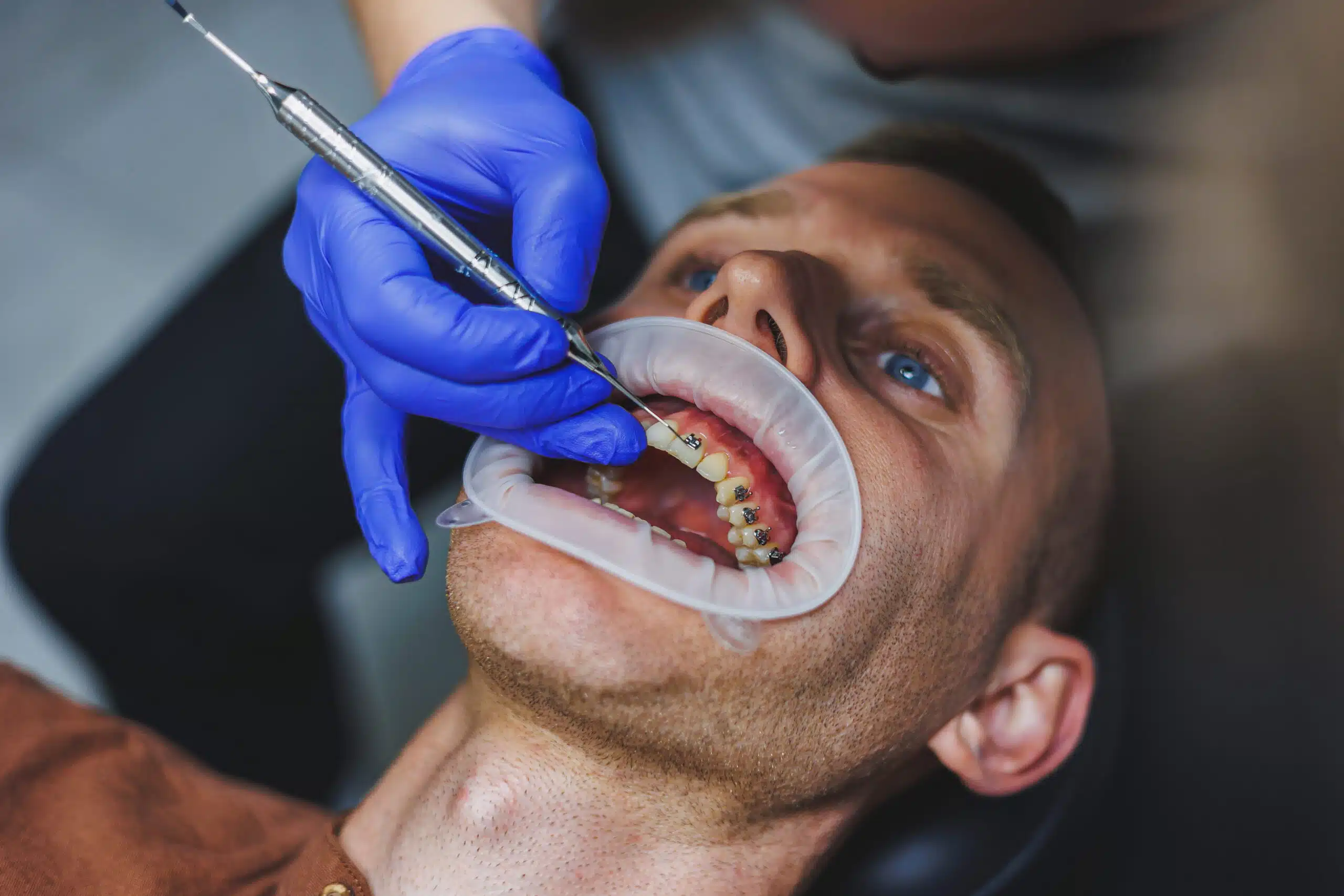
Featured image for “Why Do Teeth Shift Back After Braces?”

Share:

Getting your braces removed is an exciting milestone, but orthodontic treatment does not necessarily end when the brackets and wires come off. If you have wondered, why do teeth shift back after braces, the answer is closely connected to how teeth and the supporting tissues adapt during orthodontic treatment.

At Red Rocks Family Dentistry in Littleton, orthodontic care focuses on improving tooth and jaw alignment through treatments such as braces and other orthodontic appliances. After teeth have been moved into a better position, retainers can help keep them there.

Why Do Teeth Shift Back After Braces?

Teeth are not permanently locked into one position. They are supported by surrounding tissues and bone that adapt as orthodontic treatment gradually moves the teeth.

Red Rocks Family Dentistry explains that retainers are provided after orthodontic treatment to help prevent teeth from moving back toward their original positions. The surrounding bone also needs time to reform around the teeth in their new alignment.

This is commonly called orthodontic relapse. It does not necessarily mean braces failed. Rather, tooth movement can occur when the support needed to maintain the corrected alignment is no longer being provided.

The American Association of Orthodontists also notes that teeth can continue to move after active orthodontic treatment, which is why retention is an important part of maintaining treatment results.

What Causes Teeth to Move After Braces?

Several factors can contribute to teeth shifting after braces.

1. Not Wearing Your Retainer as Recommended

One of the most important reasons teeth move after braces is inconsistent retainer use.

A retainer is designed to hold teeth in their corrected positions after active orthodontic treatment. Without consistent use, teeth may gradually move toward their previous alignment. Red Rocks Family Dentistry emphasizes that retainers are an important part of protecting the results of orthodontic treatment.

Your recommended retainer schedule can vary, so follow the instructions provided by your dental professional rather than assuming everyone needs the same amount of wear.

2. The Supporting Bone and Tissues Are Still Adapting

Orthodontic treatment changes the position of teeth within the jaw. The tissues and bone surrounding those teeth need time to adapt to their new positions.

This is one reason the retention phase matters. Retainers provide support while the surrounding structures adjust and help stabilize the alignment achieved during orthodontic treatment.

3. Teeth Naturally Change Over Time

Even after successful orthodontic treatment, teeth can move throughout life. Aging and ongoing changes in the mouth mean that maintaining a straight smile requires continued attention.

The goal is not simply to finish braces; it is to maintain the alignment achieved through treatment.

4. The Original Alignment Problem May Return

If you originally had crowding, spacing, an overbite, underbite, or another alignment problem, there may be a tendency for some of those issues to return without appropriate retention.

Red Rocks Family Dentistry provides orthodontic treatment for different types of tooth and bite irregularities, with treatment selected according to the individual’s specific alignment needs.

How Do Retainers Prevent Teeth From Shifting?

Retainers work by helping hold the teeth in their corrected positions after active orthodontic treatment.

Red Rocks Family Dentistry describes retainers as removable devices that help prevent teeth from moving back toward their original positions. The practice also discusses both removable and fixed retainers.

Removable Retainers

Removable retainers can be taken out for eating and oral hygiene. Examples discussed by Red Rocks Family Dentistry include clear plastic Essix retainers and Hawley retainers made with acrylic and wire.

Fixed Retainers

Fixed retainers are bonded to the back of the teeth and provide ongoing support without requiring the patient to remember to insert them each day. They do, however, require careful cleaning and professional monitoring.

The right type of retainer depends on the individual’s orthodontic needs and treatment history.

What If Your Teeth Have Already Shifted?

If you notice that your teeth are becoming crowded, overlapping, spaced differently, or your retainer no longer fits as it once did, do not simply ignore the change.

A dental professional can evaluate your teeth and determine whether the movement is minor or whether additional orthodontic treatment may be appropriate.

In some situations, the retainer may need to be evaluated or replaced. More noticeable tooth movement may require further orthodontic care. The AAO similarly recommends professional evaluation when teeth have shifted significantly or a retainer no longer fits properly.

How Can You Keep Your Teeth Straight After Braces?

Protecting your orthodontic results starts with making retention part of your long-term oral care routine.

Helpful habits include:

  • Wear your retainer according to your dental professional’s instructions.
  • Keep your retainer clean and store it safely when it is not being worn.
  • Avoid hot water when cleaning plastic retainers because heat can warp them.
  • Do not eat or drink with a removable retainer unless instructed otherwise.
  • Attend recommended dental or orthodontic checkups.
  • Contact your dental professional if your retainer becomes damaged or stops fitting properly.

Retainer care is especially important because a damaged, lost, or poorly fitting appliance may no longer provide the support your teeth need.

Can Braces Results Last Without a Retainer?

The simple answer is that teeth can shift without retention. Braces move teeth into a desired alignment, but maintaining that alignment requires ongoing retention.

Red Rocks Family Dentistry describes retainer use as an important final stage of orthodontic treatment and notes that many patients may need to wear a retainer at night long term.

The American Association of Orthodontists likewise explains that retainers are used to minimize unwanted tooth movement after active treatment.

That is why getting your braces off should be viewed as the beginning of the retention phase—not the end of your orthodontic journey.

When Should You See a Dental Professional?

Consider scheduling an evaluation if:

  • Your teeth have noticeably moved after braces.
  • Your retainer feels significantly different or no longer fits.
  • You have developed new crowding or spacing.
  • Your bite feels different.
  • Your retainer is damaged or has been lost.
  • You are unsure how often you should wear your retainer.

An evaluation can help determine whether your current retainer is still appropriate or whether your teeth require additional orthodontic attention.

For patients considering orthodontic care in Littleton, Red Rocks Family Dentistry provides orthodontic treatment and uses braces and other orthodontic appliances to address tooth and jaw alignment concerns.

Conclusion: Why Do Teeth Shift Back After Braces?

So, why do teeth shift back after braces? Teeth can naturally move after active orthodontic treatment because the surrounding bone and tissues continue adapting, while the teeth themselves are not permanently fixed in their new positions. Without appropriate retention, teeth may gradually move toward their previous alignment.

Retainers are therefore an important part of protecting the results of braces. Consistent retainer use, proper retainer care, and regular dental guidance can help maintain your alignment over time.

If your teeth have started shifting or you have questions about orthodontic treatment and retainers, Red Rocks Family Dentistry in Littleton can evaluate your smile and discuss appropriate orthodontic care.

FAQs

Do teeth naturally shift after braces?

Yes. Teeth can continue to move after orthodontic treatment, which is why retainers are used to help maintain the corrected alignment.

How long do I need to wear a retainer after braces?

The duration and frequency vary by patient. Red Rocks Family Dentistry notes that many people may need long-term or nighttime retainer use, so follow the schedule provided by your dental professional.

Can teeth shift back if I stop wearing my retainer?

Yes. Without appropriate retention, teeth have a greater opportunity to move toward their previous positions. Consistent retainer use helps protect orthodontic treatment results.

What should I do if my retainer no longer fits?

Do not ignore the change. Contact your dental professional for an evaluation, particularly if the retainer is uncomfortable, damaged, or no longer fits properly.

Can shifted teeth be straightened again?

Depending on how much the teeth have moved, a dental professional may recommend a new or adjusted retainer or additional orthodontic treatment. An examination is necessary to determine the appropriate approach.

Why Do Teeth Shift Back After Braces?

September 4, 2026

Getting your braces removed is an exciting milestone, but orthodontic treatment does not necessarily end when the brackets and wires come off. If you have wondered, why do teeth shift back after braces, the answer is closely connected to how teeth and the supporting tissues adapt during orthodontic treatment.

At Red Rocks Family Dentistry in Littleton, orthodontic care focuses on improving tooth and jaw alignment through treatments such as braces and other orthodontic appliances. After teeth have been moved into a better position, retainers can help keep them there.

Why Do Teeth Shift Back After Braces?

Teeth are not permanently locked into one position. They are supported by surrounding tissues and bone that adapt as orthodontic treatment gradually moves the teeth.

Red Rocks Family Dentistry explains that retainers are provided after orthodontic treatment to help prevent teeth from moving back toward their original positions. The surrounding bone also needs time to reform around the teeth in their new alignment.

This is commonly called orthodontic relapse. It does not necessarily mean braces failed. Rather, tooth movement can occur when the support needed to maintain the corrected alignment is no longer being provided.

The American Association of Orthodontists also notes that teeth can continue to move after active orthodontic treatment, which is why retention is an important part of maintaining treatment results.

What Causes Teeth to Move After Braces?

Several factors can contribute to teeth shifting after braces.

1. Not Wearing Your Retainer as Recommended

One of the most important reasons teeth move after braces is inconsistent retainer use.

A retainer is designed to hold teeth in their corrected positions after active orthodontic treatment. Without consistent use, teeth may gradually move toward their previous alignment. Red Rocks Family Dentistry emphasizes that retainers are an important part of protecting the results of orthodontic treatment.

Your recommended retainer schedule can vary, so follow the instructions provided by your dental professional rather than assuming everyone needs the same amount of wear.

2. The Supporting Bone and Tissues Are Still Adapting

Orthodontic treatment changes the position of teeth within the jaw. The tissues and bone surrounding those teeth need time to adapt to their new positions.

This is one reason the retention phase matters. Retainers provide support while the surrounding structures adjust and help stabilize the alignment achieved during orthodontic treatment.

3. Teeth Naturally Change Over Time

Even after successful orthodontic treatment, teeth can move throughout life. Aging and ongoing changes in the mouth mean that maintaining a straight smile requires continued attention.

The goal is not simply to finish braces; it is to maintain the alignment achieved through treatment.

4. The Original Alignment Problem May Return

If you originally had crowding, spacing, an overbite, underbite, or another alignment problem, there may be a tendency for some of those issues to return without appropriate retention.

Red Rocks Family Dentistry provides orthodontic treatment for different types of tooth and bite irregularities, with treatment selected according to the individual’s specific alignment needs.

How Do Retainers Prevent Teeth From Shifting?

Retainers work by helping hold the teeth in their corrected positions after active orthodontic treatment.

Red Rocks Family Dentistry describes retainers as removable devices that help prevent teeth from moving back toward their original positions. The practice also discusses both removable and fixed retainers.

Removable Retainers

Removable retainers can be taken out for eating and oral hygiene. Examples discussed by Red Rocks Family Dentistry include clear plastic Essix retainers and Hawley retainers made with acrylic and wire.

Fixed Retainers

Fixed retainers are bonded to the back of the teeth and provide ongoing support without requiring the patient to remember to insert them each day. They do, however, require careful cleaning and professional monitoring.

The right type of retainer depends on the individual’s orthodontic needs and treatment history.

What If Your Teeth Have Already Shifted?

If you notice that your teeth are becoming crowded, overlapping, spaced differently, or your retainer no longer fits as it once did, do not simply ignore the change.

A dental professional can evaluate your teeth and determine whether the movement is minor or whether additional orthodontic treatment may be appropriate.

In some situations, the retainer may need to be evaluated or replaced. More noticeable tooth movement may require further orthodontic care. The AAO similarly recommends professional evaluation when teeth have shifted significantly or a retainer no longer fits properly.

How Can You Keep Your Teeth Straight After Braces?

Protecting your orthodontic results starts with making retention part of your long-term oral care routine.

Helpful habits include:

  • Wear your retainer according to your dental professional’s instructions.
  • Keep your retainer clean and store it safely when it is not being worn.
  • Avoid hot water when cleaning plastic retainers because heat can warp them.
  • Do not eat or drink with a removable retainer unless instructed otherwise.
  • Attend recommended dental or orthodontic checkups.
  • Contact your dental professional if your retainer becomes damaged or stops fitting properly.

Retainer care is especially important because a damaged, lost, or poorly fitting appliance may no longer provide the support your teeth need.

Can Braces Results Last Without a Retainer?

The simple answer is that teeth can shift without retention. Braces move teeth into a desired alignment, but maintaining that alignment requires ongoing retention.

Red Rocks Family Dentistry describes retainer use as an important final stage of orthodontic treatment and notes that many patients may need to wear a retainer at night long term.

The American Association of Orthodontists likewise explains that retainers are used to minimize unwanted tooth movement after active treatment.

That is why getting your braces off should be viewed as the beginning of the retention phase—not the end of your orthodontic journey.

When Should You See a Dental Professional?

Consider scheduling an evaluation if:

  • Your teeth have noticeably moved after braces.
  • Your retainer feels significantly different or no longer fits.
  • You have developed new crowding or spacing.
  • Your bite feels different.
  • Your retainer is damaged or has been lost.
  • You are unsure how often you should wear your retainer.

An evaluation can help determine whether your current retainer is still appropriate or whether your teeth require additional orthodontic attention.

For patients considering orthodontic care in Littleton, Red Rocks Family Dentistry provides orthodontic treatment and uses braces and other orthodontic appliances to address tooth and jaw alignment concerns.

Conclusion: Why Do Teeth Shift Back After Braces?

So, why do teeth shift back after braces? Teeth can naturally move after active orthodontic treatment because the surrounding bone and tissues continue adapting, while the teeth themselves are not permanently fixed in their new positions. Without appropriate retention, teeth may gradually move toward their previous alignment.

Retainers are therefore an important part of protecting the results of braces. Consistent retainer use, proper retainer care, and regular dental guidance can help maintain your alignment over time.

If your teeth have started shifting or you have questions about orthodontic treatment and retainers, Red Rocks Family Dentistry in Littleton can evaluate your smile and discuss appropriate orthodontic care.

FAQs

Do teeth naturally shift after braces?

Yes. Teeth can continue to move after orthodontic treatment, which is why retainers are used to help maintain the corrected alignment.

How long do I need to wear a retainer after braces?

The duration and frequency vary by patient. Red Rocks Family Dentistry notes that many people may need long-term or nighttime retainer use, so follow the schedule provided by your dental professional.

Can teeth shift back if I stop wearing my retainer?

Yes. Without appropriate retention, teeth have a greater opportunity to move toward their previous positions. Consistent retainer use helps protect orthodontic treatment results.

What should I do if my retainer no longer fits?

Do not ignore the change. Contact your dental professional for an evaluation, particularly if the retainer is uncomfortable, damaged, or no longer fits properly.

Can shifted teeth be straightened again?

Depending on how much the teeth have moved, a dental professional may recommend a new or adjusted retainer or additional orthodontic treatment. An examination is necessary to determine the appropriate approach.


Share: