
What to Expect With Dental Implants

August 18, 2021
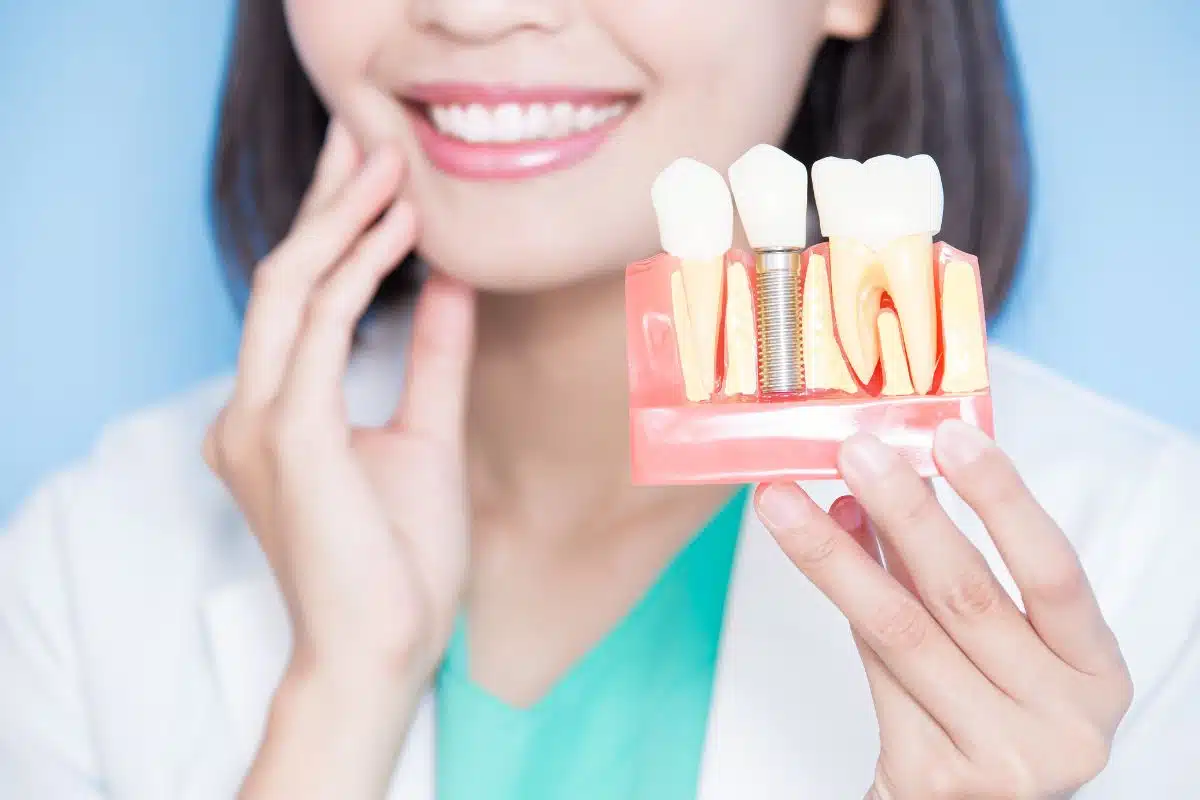
Featured image for “What to Expect With Dental Implants”

Share:

Missing a tooth can affect more than just appearance—it can impact chewing, bone health, and even speech. Dental implants give many people a stable, long-term solution that feels and behaves much like natural teeth. If you’re considering implants and live near Littleton, CO, understanding the implant journey helps you make an informed decision. This guide walks you through what to expect from your consultation through recovery and long-term care, with insight from your local dentist in Littleton.

1. Initial Consultation & Assessment

  • Evaluation of oral health: Your dentist or specialist will begin by examining your gums, jawbone, and existing teeth. X-rays or 3D scans are used to determine bone density and check for any issues like gum disease.
  • Medical history & planning: Conditions such as diabetes, smoking, or medications that affect bone healing will be discussed, since these can influence implant success.
  • Customized treatment plan: Based on your anatomy and needs, the dentist in Littleton will map out the number of implants, whether any extractions or bone grafts are required, and the timeline you’ll follow.

2. Preparing the Site

  • Tooth extraction, if needed: If the implant is replacing a damaged tooth, removal may be the first step. Healing needs to occur before implant placement, unless immediate placement is possible.
  • Bone grafting or sinus lift: If your jawbone is too thin or lacks volume, grafting material may be added to build a stronger base. In upper back areas, a sinus lift may be necessary. Both procedures extend healing time but are crucial for long-term stability.

3. Implant Placement (Surgical Phase)

  • Under local anesthesia (or sedation if required), a metal root (usually titanium) is placed into the jawbone. The incision is made in the gum, the bone is prepared, and the implant post is inserted.
  • The surgical site is closed with stitches. You may receive a temporary crown or denture so you don’t have a gap while healing.

4. Healing & Osseointegration

  • This is the period when the bone fuses (osseointegration) with the implant post. It’s essential for the implant to become solidly anchored. Expect several months of healing.
  • During this time, you’ll need to eat soft foods, avoid strenuous chewing on that side, and maintain excellent oral hygiene to reduce infection risk.

5. Abutment & Crown Placement

  • Once osseointegration is sufficient, a connecting piece (abutment) is attached to the implant. Sometimes this happens in a separate visit; other times, the abutment is placed at the same time as the implant, depending on your case.
  • Then impressions of your mouth are taken to create a custom crown (or other restoration). The final piece is fitted, adjusted for comfort, color, and bite, and then permanently attached.

6. Recovery & What’s Normal

  • Short-term effects: Mild swelling, bruising, soreness, maybe some bleeding in the first few days. Over-the-counter pain relievers usually manage this.
  • Long-term tracking: Follow-up visits to ensure healing is going well, to check the health of gums around the implant, and to confirm that everything is integrating properly.
  • Oral hygiene: Brushing, flossing, and avoiding tobacco use make a big difference. Implants don’t get cavities, but surrounding gums and bone still need care.

7. Factors That Influence Success

  • Bone quality and health: More bone = more stability.
  • Overall health & habits: Smoking, uncontrolled medical conditions, or poor oral hygiene can slow healing or lead to complications.
  • Skill and technique: A dentist (or implant surgeon) with experience and good diagnostic tools helps minimize risk.
  • Type of implant and restoration materials: Quality of the post, abutment, and crown all matter for appearance, function, and longevity.

Conclusion

Dental implants are among the most reliable ways to replace missing teeth—offering durability, appearance, and function that often rival natural teeth. The process takes time—in many cases several months—but each step, from consultation to final crown placement, serves a purpose in ensuring long-term success. Understanding what to expect from the procedure, healing, and follow-up will help you proceed with confidence.

If you’re considering dental implants in Littleton, CO, or have questions about whether you’re a good candidate, reach out to Red Rocks Family Dentistry. Schedule a consultation with our team; we’ll guide you through your options, assess your needs, and help you plan a treatment that fits your smile goals.

What to Expect With Dental Implants

August 18, 2021

Missing a tooth can affect more than just appearance—it can impact chewing, bone health, and even speech. Dental implants give many people a stable, long-term solution that feels and behaves much like natural teeth. If you’re considering implants and live near Littleton, CO, understanding the implant journey helps you make an informed decision. This guide walks you through what to expect from your consultation through recovery and long-term care, with insight from your local dentist in Littleton.

1. Initial Consultation & Assessment

  • Evaluation of oral health: Your dentist or specialist will begin by examining your gums, jawbone, and existing teeth. X-rays or 3D scans are used to determine bone density and check for any issues like gum disease.
  • Medical history & planning: Conditions such as diabetes, smoking, or medications that affect bone healing will be discussed, since these can influence implant success.
  • Customized treatment plan: Based on your anatomy and needs, the dentist in Littleton will map out the number of implants, whether any extractions or bone grafts are required, and the timeline you’ll follow.

2. Preparing the Site

  • Tooth extraction, if needed: If the implant is replacing a damaged tooth, removal may be the first step. Healing needs to occur before implant placement, unless immediate placement is possible.
  • Bone grafting or sinus lift: If your jawbone is too thin or lacks volume, grafting material may be added to build a stronger base. In upper back areas, a sinus lift may be necessary. Both procedures extend healing time but are crucial for long-term stability.

3. Implant Placement (Surgical Phase)

  • Under local anesthesia (or sedation if required), a metal root (usually titanium) is placed into the jawbone. The incision is made in the gum, the bone is prepared, and the implant post is inserted.
  • The surgical site is closed with stitches. You may receive a temporary crown or denture so you don’t have a gap while healing.

4. Healing & Osseointegration

  • This is the period when the bone fuses (osseointegration) with the implant post. It’s essential for the implant to become solidly anchored. Expect several months of healing.
  • During this time, you’ll need to eat soft foods, avoid strenuous chewing on that side, and maintain excellent oral hygiene to reduce infection risk.

5. Abutment & Crown Placement

  • Once osseointegration is sufficient, a connecting piece (abutment) is attached to the implant. Sometimes this happens in a separate visit; other times, the abutment is placed at the same time as the implant, depending on your case.
  • Then impressions of your mouth are taken to create a custom crown (or other restoration). The final piece is fitted, adjusted for comfort, color, and bite, and then permanently attached.

6. Recovery & What’s Normal

  • Short-term effects: Mild swelling, bruising, soreness, maybe some bleeding in the first few days. Over-the-counter pain relievers usually manage this.
  • Long-term tracking: Follow-up visits to ensure healing is going well, to check the health of gums around the implant, and to confirm that everything is integrating properly.
  • Oral hygiene: Brushing, flossing, and avoiding tobacco use make a big difference. Implants don’t get cavities, but surrounding gums and bone still need care.

7. Factors That Influence Success

  • Bone quality and health: More bone = more stability.
  • Overall health & habits: Smoking, uncontrolled medical conditions, or poor oral hygiene can slow healing or lead to complications.
  • Skill and technique: A dentist (or implant surgeon) with experience and good diagnostic tools helps minimize risk.
  • Type of implant and restoration materials: Quality of the post, abutment, and crown all matter for appearance, function, and longevity.

Conclusion

Dental implants are among the most reliable ways to replace missing teeth—offering durability, appearance, and function that often rival natural teeth. The process takes time—in many cases several months—but each step, from consultation to final crown placement, serves a purpose in ensuring long-term success. Understanding what to expect from the procedure, healing, and follow-up will help you proceed with confidence.

If you’re considering dental implants in Littleton, CO, or have questions about whether you’re a good candidate, reach out to Red Rocks Family Dentistry. Schedule a consultation with our team; we’ll guide you through your options, assess your needs, and help you plan a treatment that fits your smile goals.


Share: