
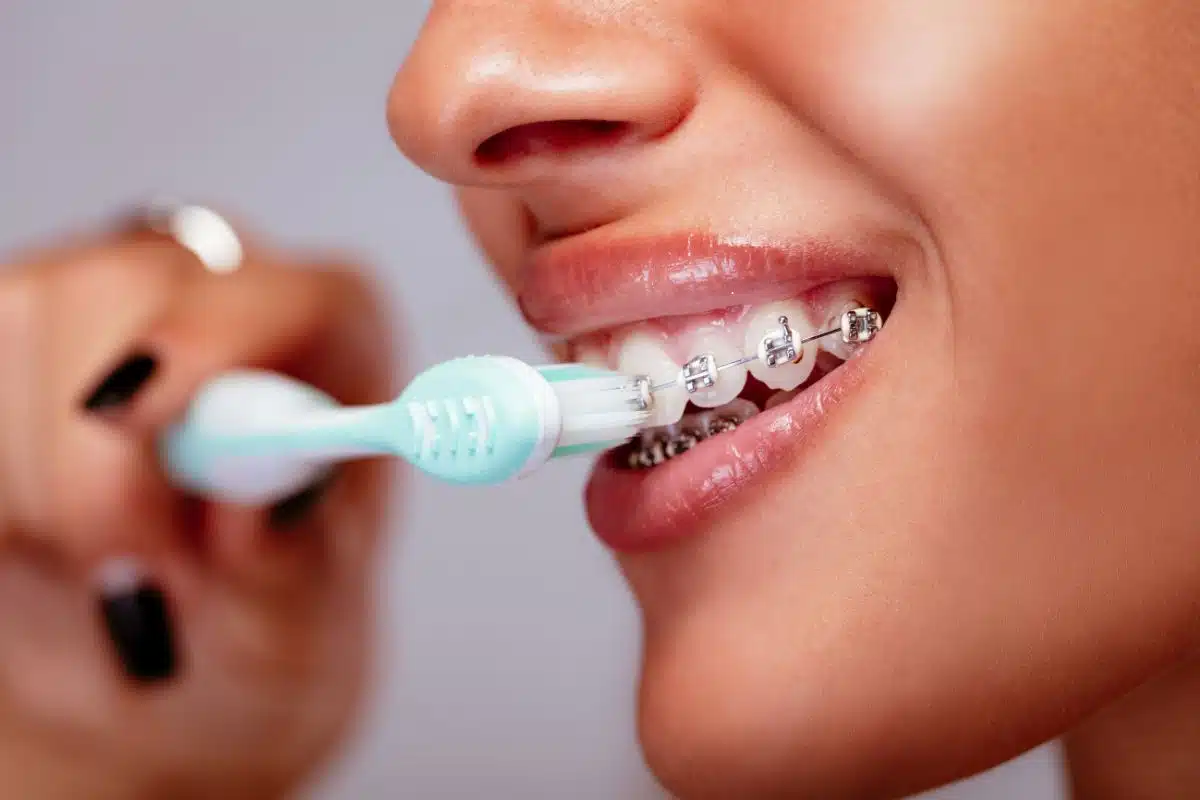
Getting braces is an important step toward a healthier, straighter smile, but it does come with some challenges, especially when it comes to comfort. While braces do their job of aligning your teeth, the process can sometimes cause discomfort or irritation, especially in the early stages. Thankfully, there are several ways you can make wearing braces a more comfortable experience. With the right strategies and a bit of patience, you can navigate your braces journey with ease.
In this blog, we will explore simple, practical tips to help you manage any discomfort and make your braces journey as smooth as possible.
1. Use Orthodontic Wax
One of the most common sources of discomfort when wearing braces is the metal brackets rubbing against the inside of your cheeks or lips. This can lead to sores or irritation, particularly when your braces are first applied. Orthodontic wax is a simple but effective solution to this problem.
By applying a small piece of wax over the sharp areas of your brackets, you can create a smooth barrier that reduces friction and irritation. Most orthodontists, including any orthodontist in Littleton, will provide you with orthodontic wax when you get your braces, but it’s also available over the counter at most drugstores.
2. Stay on Top of Oral Hygiene
Good oral hygiene is crucial when you have braces. Food particles can easily get trapped in the brackets and wires, which can lead to discomfort, plaque buildup, and even gum inflammation if not properly addressed. To make your braces journey more comfortable, make sure to brush after every meal and floss regularly.
Consider using special tools designed for people with braces, such as a water flosser or orthodontic toothbrush. These tools make it easier to clean hard-to-reach places and prevent discomfort caused by plaque or trapped food.
3. Stick to Soft Foods After Adjustments
Each time you visit your Littleton orthodontist for an adjustment, your braces are tightened to continue the alignment process. These adjustments can cause temporary discomfort or soreness in your teeth and gums. One way to minimize discomfort is by sticking to soft foods in the days following your adjustment.
Foods like mashed potatoes, yogurt, smoothies, and soups are gentle on sore teeth and easy to chew. Avoid hard, crunchy, or sticky foods that can put extra pressure on your braces or cause further irritation.
4. Use Saltwater Rinses
Mouth sores are common when wearing braces, especially in the first few weeks. If you’re dealing with these, a simple saltwater rinse can provide relief and help the sores heal faster. Mix about half a teaspoon of salt into a cup of warm water and swish it around your mouth for 30 seconds.
This natural remedy helps reduce inflammation and soothe the irritated areas, making your braces more tolerable as your mouth adjusts.
5. Apply Cold Compresses for Pain Relief
Braces can sometimes cause mild pain or discomfort, especially right after they’re applied or following an adjustment. A cold compress can be an effective way to relieve pain and reduce swelling. Simply apply the compress to the outside of your mouth near the sore area for 10 to 15 minutes.
Cold compresses work by numbing the area and reducing inflammation, giving you some much-needed relief during your braces journey.
6. Chew Orthodontic Relief Tablets
Some orthodontic patients find that chewing on soft orthodontic relief tablets helps reduce soreness and tension in their jaws. These tablets are designed to be gentle enough not to harm your braces but still provide relief from the discomfort caused by the pressure of the braces on your teeth.
Talk to your orthodontist about whether these tablets might be a good option for you. They can help make your braces journey more manageable, especially after adjustments.
7. Carry a Braces Care Kit
A great way to stay prepared for any braces-related discomfort is to keep a small braces care kit with you. This kit can include items like orthodontic wax, a small toothbrush, toothpaste, floss, and even pain relievers or a cold compress. Having these items on hand means you can address any issues as soon as they arise, making your braces journey more comfortable overall.
Whether you’re at home, at school, or on the go, a care kit ensures you’re always ready to take care of your braces and manage any discomfort that comes your way.
8. Stay Hydrated
Dry mouth can be an unexpected source of discomfort when wearing braces. The metal components can sometimes irritate your lips and cheeks more when your mouth is dry. To keep your mouth moist and comfortable, make sure to drink plenty of water throughout the day.
Staying hydrated not only helps with dryness but also promotes overall oral health, keeping your gums and teeth in good shape as your braces work to align your smile.
9. Take Over-the-Counter Pain Relievers
In some cases, you may experience mild to moderate pain after getting your braces tightened or adjusted. If the discomfort becomes too much, you can take over-the-counter pain relievers like ibuprofen or acetaminophen to ease the pain.
However, always follow the recommended dosage and consult with your orthodontist if you have concerns about taking medication for your braces discomfort.
10. Communicate with Your Orthodontist
Lastly, one of the most important tips for a more comfortable braces journey is to maintain open communication with your orthodontist. If you experience any persistent discomfort or issues with your braces, don’t hesitate to reach out for advice or adjustments.
Your orthodontist in Littleton can offer tailored solutions for your unique situation and ensure your treatment is progressing smoothly. Regular check-ups and adjustments are key to ensuring both your comfort and the effectiveness of the treatment.
Final Thoughts
Wearing braces is a process that requires patience, but with the right approach, you can significantly reduce any discomfort along the way. From using orthodontic wax to maintaining good oral hygiene and sticking to soft foods after adjustments, there are plenty of ways to make your braces journey more comfortable.
Remember, your orthodontist is there to help, so don’t hesitate to ask for guidance if you’re struggling with discomfort. With time, your braces will help you achieve a healthier, more confident smile.