
The Future of Orthodontic Care: Breakthroughs and Trends

November 27, 2024
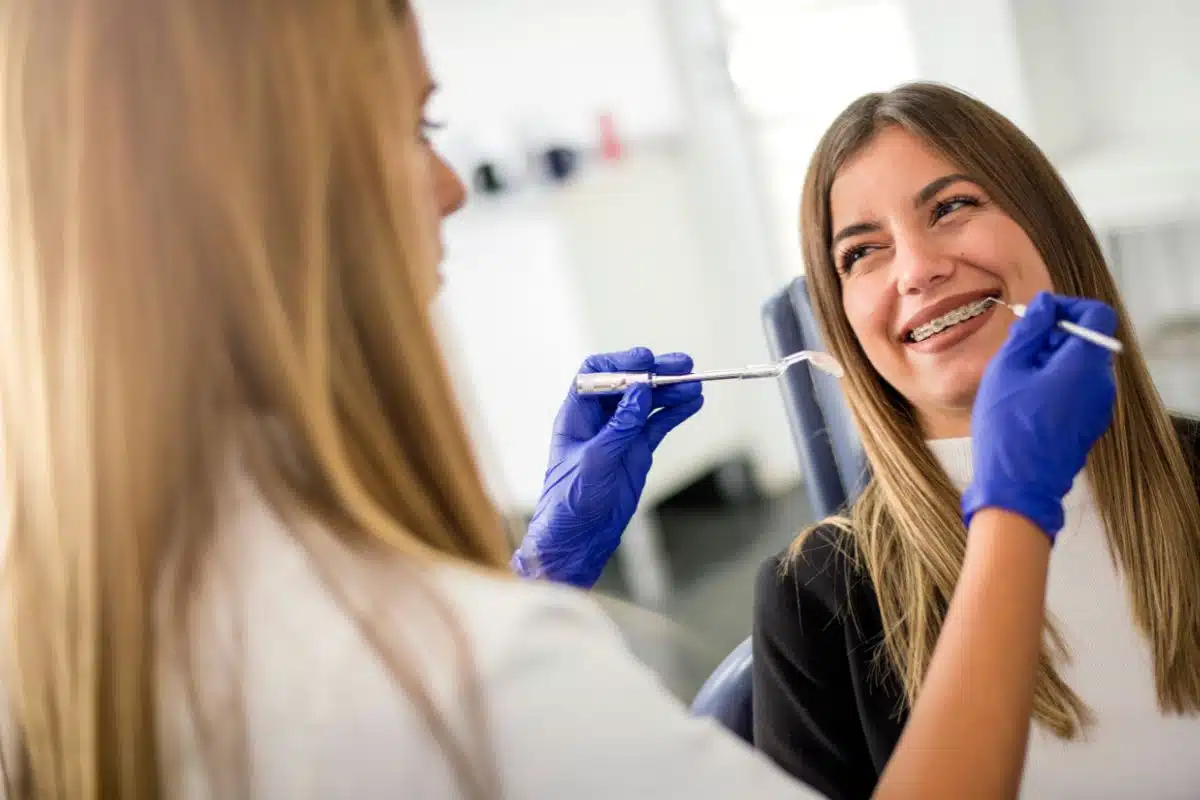
Featured image for “The Future of Orthodontic Care: Breakthroughs and Trends”

Share:

Orthodontic care has come a long way from its early days of rudimentary techniques and tools. Today, modern advancements are transforming the field, making treatments more effective, comfortable, and accessible for people of all ages. As technology continues to evolve, so does the approach to straightening teeth and improving oral health. This blog explores the key breakthroughs and trends shaping the future of orthodontic care.

Personalized Treatment Plans Through Advanced Imaging

One of the biggest changes in orthodontics is the rise of advanced imaging technologies. Tools like 3D scanning and digital X-rays allow orthodontists to create highly detailed images of a patient’s teeth, jaw, and facial structure. These tools make it easier to develop personalized treatment plans tailored to each individual’s unique needs.

Instead of relying on traditional molds, orthodontists now use digital impressions to design braces, aligners, and other devices. This not only saves time but also ensures better accuracy, leading to more predictable outcomes for patients.

Clear Aligners: A Discreet and Comfortable Option

Clear aligners, such as Invisalign, have revolutionized orthodontic treatment. These nearly invisible trays are custom-made to gently shift teeth into the desired position. They have become a popular alternative to traditional braces, especially for adults and teens who want a more discreet way to straighten their teeth.

What makes clear aligners stand out is their convenience. Patients can remove them for eating, brushing, and flossing, which helps maintain better oral hygiene during treatment. As technology improves, aligners are becoming even more effective, offering shorter treatment times and the ability to address more complex orthodontic cases.

AI and Machine Learning in Orthodontics

Artificial intelligence (AI) and machine learning are making their way into orthodontic care. These technologies help orthodontists analyze data more efficiently and predict treatment outcomes with greater accuracy. For example, AI-powered software can simulate how a patient’s teeth will move over time, allowing orthodontists to adjust their approach as needed.

This use of AI also extends to patient monitoring. Remote monitoring tools enable orthodontists to track progress without requiring frequent in-office visits. This is especially beneficial for patients with busy schedules or those living in remote areas.

Faster and Less Invasive Treatments

Innovations in materials and techniques are leading to faster and less invasive orthodontic treatments. For example, self-ligating braces use specialized clips instead of elastic bands, reducing friction and allowing teeth to move more freely. This can shorten treatment time and make the process more comfortable for patients.

Another breakthrough is the use of temporary anchorage devices (TADs), which are small titanium screws placed in the jawbone. These devices provide additional stability during treatment, enabling precise tooth movement without the need for headgear or other bulky appliances.

A Focus on Early Intervention

Early orthodontic intervention, often called Phase 1 treatment, is gaining more attention. By addressing issues like overcrowding, misaligned bites, or jaw growth problems in young children, orthodontists can prevent more severe complications later in life. This proactive approach often results in shorter treatment times and better overall outcomes.

Orthodontists now use advanced diagnostic tools to identify potential problems early on. This ensures that children receive the care they need at the right time, reducing the likelihood of extensive treatments in adulthood.

Sustainable Orthodontics: Eco-Friendly Practices

Sustainability is becoming an important consideration in orthodontic care. From eco-friendly packaging for aligners to recyclable materials for dental tools, orthodontists are finding ways to reduce their environmental impact. Practices are also adopting digital workflows to minimize the use of paper and other disposable items.

Patients are increasingly seeking providers who prioritize sustainability, making it a growing trend in the industry. By combining effective treatments with environmentally conscious practices, orthodontists can meet the needs of modern patients while protecting the planet.

Emphasis on Patient Comfort

Patient comfort is a top priority in the future of orthodontic care. Innovations like heat-activated wires, which use body heat to move teeth more gently, are making braces more comfortable to wear. Similarly, advancements in clear aligner materials ensure a better fit and less irritation.

Orthodontists are also focusing on clear communication with patients to ensure they understand their treatment process. Using visual tools like 3D models and simulations, they can help patients see what to expect at every stage of their journey.

Orthodontics for All Ages

Orthodontic care is no longer just for teenagers. Adults and even seniors are increasingly seeking treatment to improve their smiles and oral health. This shift has led to the development of more discreet and efficient treatment options tailored to adult patients.

For example, lingual braces are placed on the back of the teeth, making them virtually invisible. Clear aligners remain a popular choice for adults who prefer a subtle option. As these technologies continue to evolve, orthodontists can offer effective solutions for patients of all ages.

Collaboration with Other Dental Specialists

The future of orthodontics also involves closer collaboration with other dental specialists. Orthodontists often work alongside general dentists, oral surgeons, and periodontists to provide comprehensive care. This team approach ensures that patients receive the best possible treatment for their unique needs.

For instance, patients undergoing orthodontic treatment may need additional procedures like dental implants or gum disease management. By coordinating care, orthodontists can achieve better results and improve overall oral health.

Conclusion

The future of orthodontic care is bright, with exciting breakthroughs and trends shaping the way orthodontists help patients achieve healthier, more confident smiles. From advanced imaging and clear aligners to AI-powered tools and sustainable practices, these innovations are transforming the patient experience.

If you’re considering orthodontic treatment, staying informed about these advancements can help you make the best decision for your needs. Consult a skilled orthodontist in Littleton to explore the latest options and find the treatment plan that’s right for you. With these cutting-edge solutions, achieving the smile you’ve always wanted has never been easier.

The Future of Orthodontic Care: Breakthroughs and Trends

November 27, 2024

Orthodontic care has come a long way from its early days of rudimentary techniques and tools. Today, modern advancements are transforming the field, making treatments more effective, comfortable, and accessible for people of all ages. As technology continues to evolve, so does the approach to straightening teeth and improving oral health. This blog explores the key breakthroughs and trends shaping the future of orthodontic care.

Personalized Treatment Plans Through Advanced Imaging

One of the biggest changes in orthodontics is the rise of advanced imaging technologies. Tools like 3D scanning and digital X-rays allow orthodontists to create highly detailed images of a patient’s teeth, jaw, and facial structure. These tools make it easier to develop personalized treatment plans tailored to each individual’s unique needs.

Instead of relying on traditional molds, orthodontists now use digital impressions to design braces, aligners, and other devices. This not only saves time but also ensures better accuracy, leading to more predictable outcomes for patients.

Clear Aligners: A Discreet and Comfortable Option

Clear aligners, such as Invisalign, have revolutionized orthodontic treatment. These nearly invisible trays are custom-made to gently shift teeth into the desired position. They have become a popular alternative to traditional braces, especially for adults and teens who want a more discreet way to straighten their teeth.

What makes clear aligners stand out is their convenience. Patients can remove them for eating, brushing, and flossing, which helps maintain better oral hygiene during treatment. As technology improves, aligners are becoming even more effective, offering shorter treatment times and the ability to address more complex orthodontic cases.

AI and Machine Learning in Orthodontics

Artificial intelligence (AI) and machine learning are making their way into orthodontic care. These technologies help orthodontists analyze data more efficiently and predict treatment outcomes with greater accuracy. For example, AI-powered software can simulate how a patient’s teeth will move over time, allowing orthodontists to adjust their approach as needed.

This use of AI also extends to patient monitoring. Remote monitoring tools enable orthodontists to track progress without requiring frequent in-office visits. This is especially beneficial for patients with busy schedules or those living in remote areas.

Faster and Less Invasive Treatments

Innovations in materials and techniques are leading to faster and less invasive orthodontic treatments. For example, self-ligating braces use specialized clips instead of elastic bands, reducing friction and allowing teeth to move more freely. This can shorten treatment time and make the process more comfortable for patients.

Another breakthrough is the use of temporary anchorage devices (TADs), which are small titanium screws placed in the jawbone. These devices provide additional stability during treatment, enabling precise tooth movement without the need for headgear or other bulky appliances.

A Focus on Early Intervention

Early orthodontic intervention, often called Phase 1 treatment, is gaining more attention. By addressing issues like overcrowding, misaligned bites, or jaw growth problems in young children, orthodontists can prevent more severe complications later in life. This proactive approach often results in shorter treatment times and better overall outcomes.

Orthodontists now use advanced diagnostic tools to identify potential problems early on. This ensures that children receive the care they need at the right time, reducing the likelihood of extensive treatments in adulthood.

Sustainable Orthodontics: Eco-Friendly Practices

Sustainability is becoming an important consideration in orthodontic care. From eco-friendly packaging for aligners to recyclable materials for dental tools, orthodontists are finding ways to reduce their environmental impact. Practices are also adopting digital workflows to minimize the use of paper and other disposable items.

Patients are increasingly seeking providers who prioritize sustainability, making it a growing trend in the industry. By combining effective treatments with environmentally conscious practices, orthodontists can meet the needs of modern patients while protecting the planet.

Emphasis on Patient Comfort

Patient comfort is a top priority in the future of orthodontic care. Innovations like heat-activated wires, which use body heat to move teeth more gently, are making braces more comfortable to wear. Similarly, advancements in clear aligner materials ensure a better fit and less irritation.

Orthodontists are also focusing on clear communication with patients to ensure they understand their treatment process. Using visual tools like 3D models and simulations, they can help patients see what to expect at every stage of their journey.

Orthodontics for All Ages

Orthodontic care is no longer just for teenagers. Adults and even seniors are increasingly seeking treatment to improve their smiles and oral health. This shift has led to the development of more discreet and efficient treatment options tailored to adult patients.

For example, lingual braces are placed on the back of the teeth, making them virtually invisible. Clear aligners remain a popular choice for adults who prefer a subtle option. As these technologies continue to evolve, orthodontists can offer effective solutions for patients of all ages.

Collaboration with Other Dental Specialists

The future of orthodontics also involves closer collaboration with other dental specialists. Orthodontists often work alongside general dentists, oral surgeons, and periodontists to provide comprehensive care. This team approach ensures that patients receive the best possible treatment for their unique needs.

For instance, patients undergoing orthodontic treatment may need additional procedures like dental implants or gum disease management. By coordinating care, orthodontists can achieve better results and improve overall oral health.

Conclusion

The future of orthodontic care is bright, with exciting breakthroughs and trends shaping the way orthodontists help patients achieve healthier, more confident smiles. From advanced imaging and clear aligners to AI-powered tools and sustainable practices, these innovations are transforming the patient experience.

If you’re considering orthodontic treatment, staying informed about these advancements can help you make the best decision for your needs. Consult a skilled orthodontist in Littleton to explore the latest options and find the treatment plan that’s right for you. With these cutting-edge solutions, achieving the smile you’ve always wanted has never been easier.


Share: