(303) 933-8230

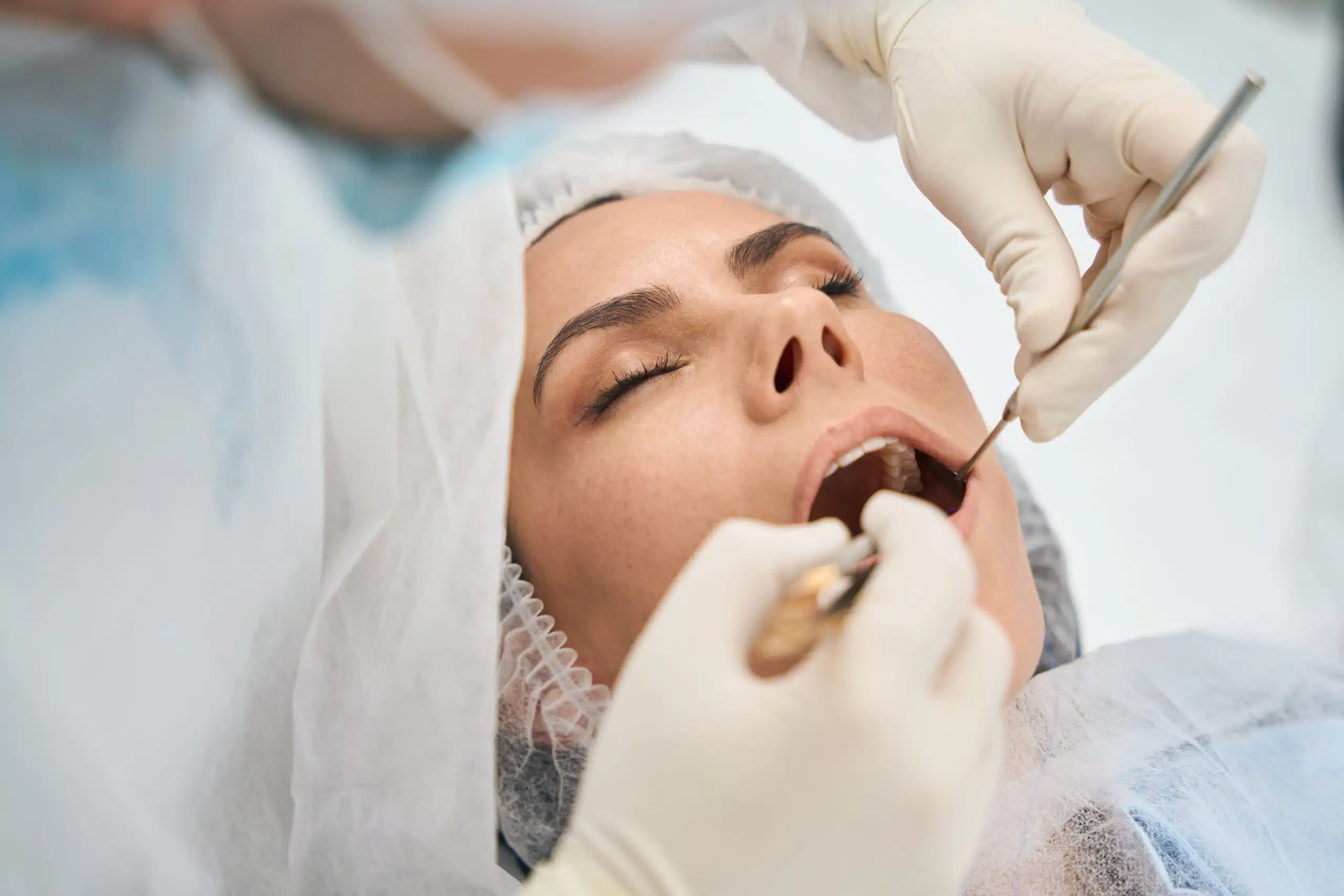
If you are wondering, “Do I need antibiotics for a gum infection?”, the answer depends on the condition of your gums and the type and progression of periodontal disease. Antibiotics are not appropriate for every case of gum disease, but they may be incorporated into periodontal treatment when bacterial infection, inflammation, or a persistent periodontal condition requires additional treatment. At Red Rocks Family Dentistry in Littleton, CO, antibiotic treatment may be used alongside periodontal procedures such as scaling and root planing, curettage, or surgery when appropriate.
What Are the Signs You Need Antibiotic Treatment?
There is no single symptom that can determine whether you need periodontal antibiotics. A dental examination is important because periodontal disease can sometimes have few or no noticeable symptoms. However, several signs may indicate that you have an active gum problem that needs professional evaluation.
Common signs associated with periodontal disease include:
- Red or swollen gums
- Painful or tender gum tissue
- Bleeding gums
- Persistent bad breath
- Gum recession
- Increasing gum pocket depth
- Loose teeth
- Changes associated with progression of the infection
Periodontal disease begins with inflammation of the gum tissue and can progress into the tissues and bone supporting the teeth. As the condition advances, bacterial buildup and inflammation can contribute to gum and jawbone damage.
Important: Having one of these symptoms does not automatically mean you need an antibiotic. Your dentist needs to evaluate the condition of your gums and determine which periodontal treatment is appropriate.
When Might Antibiotics Be Used for Gum Disease?
Antibiotic treatment can be used as part of periodontal care rather than as a replacement for treating the underlying periodontal condition.
According to Red Rocks Family Dentistry, antibiotics may be used in combination with scaling and root planing, curettage, or periodontal surgery, or in some circumstances as a stand-alone treatment. The practice’s periodontal treatment information also identifies acute periodontal infection, refractory periodontal disease, prepubertal periodontal disease, and juvenile periodontal disease as situations in which antibiotic treatment may be effective.
This is why the question is not simply, “Do I need antibiotics for a gum infection?” The more useful question is whether your periodontal condition requires antimicrobial treatment as part of an overall treatment plan.
Why Scaling and Root Planing May Come Before Antibiotics
For periodontal disease, controlling the bacteria and calculus contributing to inflammation is an important part of treatment.
Periodontal scaling and root planing is a nonsurgical periodontal procedure designed to remove plaque and tartar from the tooth and root surfaces. Red Rocks Family Dentistry explains that scaling removes calculus and plaque, while root planing smooths the root surfaces to support healing and make it more difficult for bacteria to recolonize.
After these deep-cleaning procedures, periodontal pockets may be treated with antibiotics when indicated. The gums can then be reassessed at a follow-up appointment to determine how well the pockets have healed and whether additional treatment is necessary.
This approach is particularly relevant for patients searching for a dentist near you because symptoms such as bleeding gums or persistent bad breath should not simply be managed at home when periodontal disease may be progressing.
Oral Antibiotics vs. Topical Gum Treatments
Antibiotic treatment for periodontal disease can involve oral medication or topical delivery directly into the gum pockets.
Oral Antibiotics
Red Rocks Family Dentistry’s periodontal information describes oral antibiotics as medications that affect the whole body and notes that they are less commonly prescribed than topical gel. The practice lists tetracycline antibiotics, macrolide antibiotics, and metronidazole among periodontal antibiotic treatments.
Topical Antibiotics
Topical gels, strips, or other direct-delivery treatments can place antimicrobial medication directly at the affected gum area. The practice describes topical treatment as an approach that can be used after scaling and root planing and lists products including Atridox®, PerioChip®, Actisite®, Elyzol®, and Arestin®.
The specific treatment selected depends on the patient’s periodontal condition and the dentist’s assessment.
When Should You See a Dentist for a Gum Infection?
Do not wait for gum discomfort to become severe before seeking an evaluation. Periodontal disease can sometimes develop without obvious symptoms, while other patients may notice bleeding, swelling, redness, pain, bad breath, or changes involving the gums and supporting structures of the teeth.
A periodontal evaluation can help determine the condition of the gums, the depth of periodontal pockets, the presence of plaque or calculus, and whether additional periodontal treatment is necessary.
At Red Rocks Family Dentistry, periodontal treatment may include deep scaling and root planing and, when appropriate, antibiotic treatment or other periodontal procedures.
What Happens If Periodontal Disease Is Left Untreated?
Periodontal disease is progressive. As bacterial infection and inflammation continue, the tissues and bone supporting the teeth can be affected. Advanced periodontal disease may result in significant bone loss and loose teeth.
That is why recognizing the signs you need antibiotic treatment should be viewed as a reason to schedule a professional evaluation—not as a reason to self-prescribe antibiotics.
The goal is to identify the periodontal problem and determine whether antimicrobial treatment should be incorporated into a broader treatment plan.
Do I Need Antibiotics for Gum Infection? Start With an Evaluation
If you have bleeding or swollen gums, persistent bad breath, gum recession, pain, or other signs of periodontal disease, an examination can help determine what is happening beneath the gumline.
Antibiotics may be useful in selected periodontal cases, but they are not automatically necessary for everyone with gum symptoms. At Red Rocks Family Dentistry in Littleton, the dental team can evaluate your periodontal health and determine whether treatment such as scaling and root planing, topical antibiotic therapy, oral antibiotics, or another periodontal procedure is appropriate.
If you are searching for a dentist near you because you are concerned about a possible gum infection, getting the condition evaluated is a better first step than trying to determine the need for antibiotics on your own.
FAQs
Do I need antibiotics for a gum infection?
Not necessarily. Antibiotics may be incorporated into treatment for certain periodontal infections and conditions, but the need for antibiotics depends on the patient’s periodontal condition and professional evaluation.
What are the signs you need antibiotic treatment for periodontal disease?
Signs that warrant a periodontal evaluation include red, swollen, painful, or bleeding gums, persistent bad breath, gum recession, and changes associated with periodontal disease. However, symptoms alone cannot determine whether antibiotics are necessary.
Are antibiotics used with scaling and root planing?
Yes. Red Rocks Family Dentistry states that antibiotics may be used following scaling and root planing to treat periodontal pockets when appropriate.
Are periodontal antibiotics taken by mouth?
They can be. The practice describes both oral antibiotics and topical antibiotic treatments for periodontal care. Oral antibiotics affect the whole body, while topical treatments are delivered directly to the gum area.
Can periodontal disease have no symptoms?
Yes. Red Rocks Family Dentistry notes that periodontal disease can sometimes occur without noticeable symptoms. Regular dental evaluation is therefore important even when your gums do not hurt.
Take the Next Step
If you have signs of gum disease and are wondering whether you need antibiotic treatment, schedule a periodontal evaluation at Red Rocks Family Dentistry in Littleton, CO.