
Do you cringe at the thought of a root canal? It’s understandable — this procedure has an undeserved reputation for being painful and unpleasant. However, sometimes a root canal is necessary to save a damaged or infected tooth from extraction. But what happens when a previously treated root canal fails? That’s where root canal retreatment comes in. In this blog post, we’ll explain everything you need to know about this procedure, including when it’s needed and how it can help salvage your smile!
What is a Root Canal?
A root canal is a dental procedure that involves removing the damaged or infected pulp inside a tooth. The pulp contains nerves, blood vessels, and connective tissue that help the tooth grow during development. Once the tooth is fully grown, however, it can survive without this pulp.
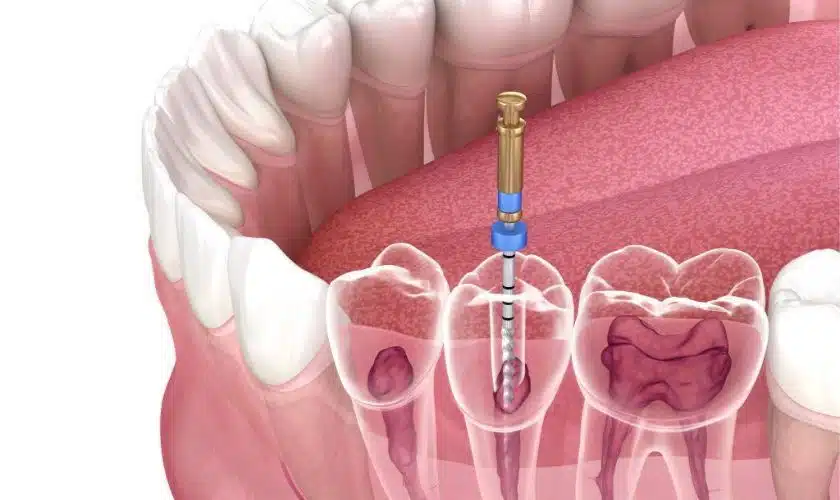
During a root canal procedure, the dentist will numb your mouth and create an opening in the top of your tooth to access the pulp. They’ll use special instruments to remove all of the diseased or damaged tissue from the inside of your tooth’s roots. Then they’ll clean out any remaining debris and fill in each root with a material called gutta-percha.
After filling in each root with gutta-percha, your dentist will place a temporary filling over it until you can return for another appointment to have a permanent crown or restoration placed on top of it. This helps protect against further damage or infection. With proper care following treatment, most people experience little to no discomfort after their root canal procedure!
What is Root Canal Retreatment? When is it needed?
Root Canal Retreatment is a dental procedure that involves removing the filling material of an existing root canal and cleaning out the infected tissue from inside the tooth. It’s done when a previous root canal treatment failed to fully remove all bacteria or if new decay has affected the treated tooth.
The retreatment process is similar to the initial root canal, but it requires more time and effort due to complications from previous treatments. The dentist will reopen your tooth by removing any fillings or crowns, then clean out any remaining infected material before sealing it back up.
There are several reasons why Root Canal Retreatment may be necessary. Sometimes, there can be missed canals in teeth that were not identified during initial treatment, leading to reinfection of the pulp chamber. In other cases, cracks or fractures in teeth can allow bacteria to enter and recontaminate previously treated areas.
If you experience pain or swelling after undergoing a root canal procedure, you should schedule an appointment with your dentist immediately as these symptoms could indicate further infection requiring retreatment.
Root Canal Retreatment is often necessary for patients who have undergone unsuccessful previous procedures. While it may seem daunting at first glance, modern dentistry techniques make this procedure more comfortable than ever before!
Conclusion
To sum it up, root canal treatment is a common dental procedure that can save your natural teeth and prevent the need for extraction. However, in some cases, the initial treatment may not be successful or complications may arise later on, which requires retreatment.
If you are experiencing any symptoms of an infected tooth after a root canal procedure or have been recommended for retreatment by your dentist, don’t hesitate to schedule an appointment. With proper care and attention from a qualified endodontist, you can get back to enjoying optimal oral health and keep your natural teeth for years to come.