
Porcelain Veneers and Bite Alignment: Improving Functionality

February 19, 2024
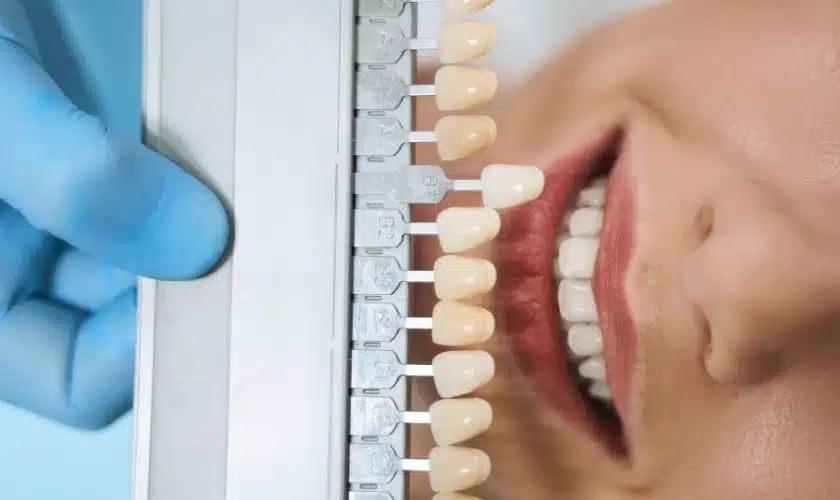
Featured image for “Porcelain Veneers and Bite Alignment: Improving Functionality”

Share:

Porcelain veneers are renowned for their transformative effect on the appearance of a smile, offering a solution to various aesthetic concerns. However, their impact goes beyond mere cosmetic enhancement. In this comprehensive guide, we will explore the role of porcelain veneers in bite alignment and how they contribute to improving overall functionality in addition to enhancing the aesthetics of your smile.

Understanding Bite Alignment:

Bite alignment, also known as occlusion, refers to the way your upper and lower teeth come together when you close your mouth. A proper bite ensures that your teeth meet evenly, promoting optimal function during activities such as chewing and speaking. Bite misalignment can lead to issues like uneven wear on teeth, jaw pain, and discomfort.

The Aesthetic and Functional Benefits of Porcelain Veneers:

  1. Customized Smile Design: Porcelain veneers allow for a customized approach to smile design. During the consultation, your dentist considers both aesthetic preferences and functional aspects to create a treatment plan tailored to your unique needs.
  2. Correcting Minor Bite Irregularities: While porcelain veneers primarily address cosmetic concerns, they can also be strategically used to correct minor bite irregularities. This includes issues like small gaps, uneven teeth, or mild misalignments.
  3. Evening Out Tooth Length and Shape: Veneers can be applied to teeth with uneven lengths, creating a more uniform appearance. This not only enhances the aesthetic balance of your smile but also contributes to a more harmonious bite.
  4. Improving Chewing Efficiency: By correcting minor misalignments, porcelain veneers contribute to improved chewing efficiency. This can alleviate stress on certain teeth and promote a more balanced distribution of forces during biting and chewing.
  5. Reducing Strain on Jaw Joints: Bite misalignments can contribute to temporomandibular joint (TMJ) issues and jaw pain. Porcelain veneers can help reduce strain on the jaw joints by creating a more balanced bite, contributing to overall comfort.

The Process of Incorporating Porcelain Veneers for Bite Alignment:

  1. Comprehensive Examination: A thorough dental examination is conducted to assess your bite and identify any misalignments or functional concerns.
  2. Treatment Planning: Based on the examination findings, your dentist develops a personalized treatment plan that addresses both aesthetic goals and functional improvements.
  3. Veneer Design and Placement: Porcelain veneers are custom-designed to achieve the desired bite alignment improvements. During placement, your dentist ensures that the veneers contribute to a more balanced and functional bite.
  4. Follow-Up and Adjustments: Post-veneer placement, your dentist may conduct follow-up appointments to assess the functionality of your bite and make any necessary adjustments to ensure optimal comfort and performance.

Conclusion:

Porcelain veneers not only create stunning smile transformations but can also play a role in improving bite alignment and functionality. If you are considering veneers for aesthetic reasons and have mild bite irregularities, discussing these concerns with your dentist can lead to a treatment plan that addresses both your cosmetic and functional goals. With the right approach, porcelain veneers can offer a comprehensive solution for a confident and well-aligned smile.

Porcelain Veneers and Bite Alignment: Improving Functionality

February 19, 2024

Porcelain veneers are renowned for their transformative effect on the appearance of a smile, offering a solution to various aesthetic concerns. However, their impact goes beyond mere cosmetic enhancement. In this comprehensive guide, we will explore the role of porcelain veneers in bite alignment and how they contribute to improving overall functionality in addition to enhancing the aesthetics of your smile.

Understanding Bite Alignment:

Bite alignment, also known as occlusion, refers to the way your upper and lower teeth come together when you close your mouth. A proper bite ensures that your teeth meet evenly, promoting optimal function during activities such as chewing and speaking. Bite misalignment can lead to issues like uneven wear on teeth, jaw pain, and discomfort.

The Aesthetic and Functional Benefits of Porcelain Veneers:

  1. Customized Smile Design: Porcelain veneers allow for a customized approach to smile design. During the consultation, your dentist considers both aesthetic preferences and functional aspects to create a treatment plan tailored to your unique needs.
  2. Correcting Minor Bite Irregularities: While porcelain veneers primarily address cosmetic concerns, they can also be strategically used to correct minor bite irregularities. This includes issues like small gaps, uneven teeth, or mild misalignments.
  3. Evening Out Tooth Length and Shape: Veneers can be applied to teeth with uneven lengths, creating a more uniform appearance. This not only enhances the aesthetic balance of your smile but also contributes to a more harmonious bite.
  4. Improving Chewing Efficiency: By correcting minor misalignments, porcelain veneers contribute to improved chewing efficiency. This can alleviate stress on certain teeth and promote a more balanced distribution of forces during biting and chewing.
  5. Reducing Strain on Jaw Joints: Bite misalignments can contribute to temporomandibular joint (TMJ) issues and jaw pain. Porcelain veneers can help reduce strain on the jaw joints by creating a more balanced bite, contributing to overall comfort.

The Process of Incorporating Porcelain Veneers for Bite Alignment:

  1. Comprehensive Examination: A thorough dental examination is conducted to assess your bite and identify any misalignments or functional concerns.
  2. Treatment Planning: Based on the examination findings, your dentist develops a personalized treatment plan that addresses both aesthetic goals and functional improvements.
  3. Veneer Design and Placement: Porcelain veneers are custom-designed to achieve the desired bite alignment improvements. During placement, your dentist ensures that the veneers contribute to a more balanced and functional bite.
  4. Follow-Up and Adjustments: Post-veneer placement, your dentist may conduct follow-up appointments to assess the functionality of your bite and make any necessary adjustments to ensure optimal comfort and performance.

Conclusion:

Porcelain veneers not only create stunning smile transformations but can also play a role in improving bite alignment and functionality. If you are considering veneers for aesthetic reasons and have mild bite irregularities, discussing these concerns with your dentist can lead to a treatment plan that addresses both your cosmetic and functional goals. With the right approach, porcelain veneers can offer a comprehensive solution for a confident and well-aligned smile.


Share: