
Porcelain Inlays & Onlays: When They’re a Better Choice Than a Crown

May 15, 2026
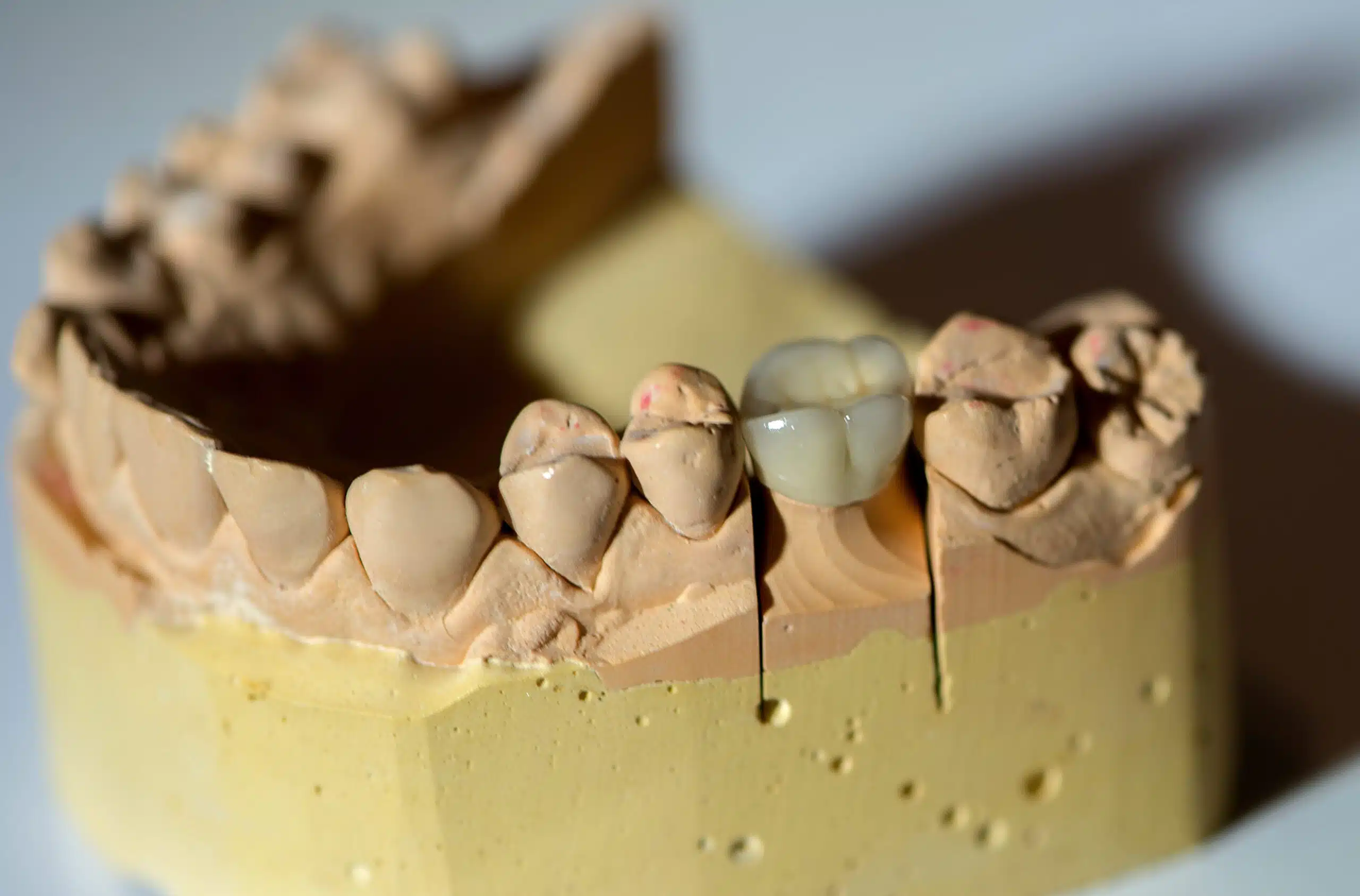
Featured image for “Porcelain Inlays & Onlays: When They’re a Better Choice Than a Crown”

Share:

Most people have heard of fillings and crowns. But there’s a middle ground that many patients in Littleton, CO never hear about until their dentist brings it up — porcelain inlays and onlays. If you’ve been told you have a damaged or decayed tooth that’s “too far gone for a filling but doesn’t quite need a crown,” an inlay or onlay might be exactly the right solution.

As a cosmetic dentist in Littleton, we believe patients deserve to understand every option available to them — not just the most commonly performed one.

What Are Porcelain Inlays and Onlays?

Both inlays and onlays are custom-fabricated restorations made to fit precisely within or over the damaged portion of a tooth. They’re sometimes called “indirect fillings” because — unlike a composite resin filling that’s shaped directly in your mouth — they’re created outside the mouth (typically in a dental lab) and then bonded in place.

Here’s how to think about the difference:

  • Inlay: Fits within the cusps (the raised points) of the chewing surface. Used when decay or damage stays within the central groove of the tooth.
  • Onlay: Extends over one or more cusps. Used when damage is more extensive but still doesn’t warrant removing the entire outer structure of the tooth.

Both are bonded to the tooth using strong dental adhesive, creating a seal that resists bacteria and supports the surrounding tooth structure.

Why Porcelain? The Material Makes a Difference

Porcelain (also called dental ceramic) has become the material of choice for inlays and onlays for good reasons:

  • It closely mimics the natural translucency and color of tooth enamel
  • It’s highly resistant to staining
  • It doesn’t expand or contract with temperature changes the way older composite materials can
  • It bonds tightly to the tooth surface, strengthening it rather than just covering it

Gold inlays and onlays still exist and are extremely durable, but most patients today prefer the aesthetic of tooth-colored ceramic restorations — especially for visible teeth.

When Is an Inlay or Onlay Actually Better Than a Crown?

This is the question that matters most. Here’s a straightforward breakdown:

A crown is typically recommended when:

  • More than 50% of the tooth’s biting surface is damaged
  • The tooth has been cracked near or below the gum line
  • A root canal has been performed and the tooth needs full coverage for protection
  • The tooth structure is too compromised to support anything less

A porcelain inlay or onlay is often the better option when:

  • Decay or damage is significant but limited — not spread across the entire tooth
  • The cusps and surrounding healthy enamel are still largely intact
  • You want to preserve as much natural tooth structure as possible
  • The damage is too extensive to be reliably repaired with a direct composite filling

The key advantage is conservation of tooth structure. A crown requires your dentist to reshape and reduce the entire tooth — removing healthy enamel that can never be replaced. An inlay or onlay removes only the damaged tissue and fills that specific area. For many patients, that’s a meaningful distinction.

Learn more about porcelain onlays or explore porcelain inlays to see which may be right for your tooth.

The Procedure: What to Expect

Getting a porcelain inlay or onlay typically involves two appointments:

First Visit:

  • The damaged or decayed area is removed
  • The tooth is cleaned and shaped to receive the restoration
  • Impressions (or digital scans) are taken
  • A temporary restoration is placed while your permanent inlay or onlay is fabricated

Second Visit:

  • The temporary is removed
  • The porcelain restoration is checked for fit, bite alignment, and color match
  • It’s bonded permanently into place using a dental adhesive
  • Final adjustments are made for comfort

With modern ceramic materials and precise bonding techniques, the result is a restoration that blends in naturally and holds up well under normal chewing forces.

Longevity and Care

When properly placed and maintained, porcelain inlays and onlays can last 10 to 30 years — sometimes longer. That durability comes down to a few factors:

  • Good oral hygiene (brushing twice daily, flossing)
  • Regular dental check-ups and cleanings
  • Avoiding habits like chewing ice or using your teeth as tools
  • Wearing a night guard if you grind your teeth

They do not require any special maintenance beyond what you’d do for your natural teeth.

A Note on Cost and Insurance

Porcelain inlays and onlays generally fall between the cost of a filling and a crown. Some dental insurance plans cover them partially as a “restorative” procedure, while others may classify them differently. It’s worth calling your insurance provider before treatment to understand your coverage.

The upfront investment is often worthwhile when you consider that inlays and onlays can last significantly longer than direct composite fillings — and may help you avoid a crown down the road by stabilizing the tooth before damage progresses further.

Choosing the Right Restoration in Littleton, CO

The right restoration depends on how much of your tooth is affected, where the damage is located, and your long-term oral health goals. There’s no universal answer — which is why a thorough clinical evaluation matters.

At Red Rocks Family Dentistry, we take the time to review your X-rays, examine the tooth carefully, and explain your options before recommending a treatment path. Our goal is always to preserve your natural tooth structure whenever clinically appropriate.

If you’re in the Littleton area and want a second opinion on whether you need a crown — or whether an inlay or onlay might be the right fit — we’d be glad to take a look.

FAQs

Q: What’s the difference between a porcelain inlay and a filling?

A: A filling is placed directly in the mouth using soft composite resin or amalgam. A porcelain inlay is custom-made in a dental lab and bonded into place as a solid piece. Inlays are generally stronger, longer-lasting, and a better fit for larger areas of decay that a regular filling may not reliably restore.

Q: How do I know if I need a crown or an inlay/onlay?

A: The decision comes down to how much of the tooth is damaged. If the damage is contained and the main tooth structure is still intact, an inlay or onlay can often do the job while preserving more of your natural tooth. Your dentist will assess this with X-rays and a clinical exam.

Q: Are porcelain inlays and onlays covered by dental insurance?

A: Coverage varies by plan. Many insurers categorize them as restorative procedures and provide partial coverage. Check with your insurance provider before your appointment to understand your specific benefits.

Q: How long do porcelain inlays and onlays last?

A: With proper care, porcelain inlays and onlays can last 10 to 30 years. Regular checkups, good oral hygiene, and avoiding tooth-damaging habits (like chewing ice) all contribute to their longevity.

Q: Is getting an inlay or onlay painful?

A: The procedure is performed under local anesthesia, so you shouldn’t feel pain during treatment. Some mild sensitivity afterward is normal and typically resolves within a few days. Most patients find the experience comparable to getting a filling.

  • /

Porcelain Inlays & Onlays: When They’re a Better Choice Than a Crown

May 15, 2026

Most people have heard of fillings and crowns. But there’s a middle ground that many patients in Littleton, CO never hear about until their dentist brings it up — porcelain inlays and onlays. If you’ve been told you have a damaged or decayed tooth that’s “too far gone for a filling but doesn’t quite need a crown,” an inlay or onlay might be exactly the right solution.

As a cosmetic dentist in Littleton, we believe patients deserve to understand every option available to them — not just the most commonly performed one.

What Are Porcelain Inlays and Onlays?

Both inlays and onlays are custom-fabricated restorations made to fit precisely within or over the damaged portion of a tooth. They’re sometimes called “indirect fillings” because — unlike a composite resin filling that’s shaped directly in your mouth — they’re created outside the mouth (typically in a dental lab) and then bonded in place.

Here’s how to think about the difference:

  • Inlay: Fits within the cusps (the raised points) of the chewing surface. Used when decay or damage stays within the central groove of the tooth.
  • Onlay: Extends over one or more cusps. Used when damage is more extensive but still doesn’t warrant removing the entire outer structure of the tooth.

Both are bonded to the tooth using strong dental adhesive, creating a seal that resists bacteria and supports the surrounding tooth structure.

Why Porcelain? The Material Makes a Difference

Porcelain (also called dental ceramic) has become the material of choice for inlays and onlays for good reasons:

  • It closely mimics the natural translucency and color of tooth enamel
  • It’s highly resistant to staining
  • It doesn’t expand or contract with temperature changes the way older composite materials can
  • It bonds tightly to the tooth surface, strengthening it rather than just covering it

Gold inlays and onlays still exist and are extremely durable, but most patients today prefer the aesthetic of tooth-colored ceramic restorations — especially for visible teeth.

When Is an Inlay or Onlay Actually Better Than a Crown?

This is the question that matters most. Here’s a straightforward breakdown:

A crown is typically recommended when:

  • More than 50% of the tooth’s biting surface is damaged
  • The tooth has been cracked near or below the gum line
  • A root canal has been performed and the tooth needs full coverage for protection
  • The tooth structure is too compromised to support anything less

A porcelain inlay or onlay is often the better option when:

  • Decay or damage is significant but limited — not spread across the entire tooth
  • The cusps and surrounding healthy enamel are still largely intact
  • You want to preserve as much natural tooth structure as possible
  • The damage is too extensive to be reliably repaired with a direct composite filling

The key advantage is conservation of tooth structure. A crown requires your dentist to reshape and reduce the entire tooth — removing healthy enamel that can never be replaced. An inlay or onlay removes only the damaged tissue and fills that specific area. For many patients, that’s a meaningful distinction.

Learn more about porcelain onlays or explore porcelain inlays to see which may be right for your tooth.

The Procedure: What to Expect

Getting a porcelain inlay or onlay typically involves two appointments:

First Visit:

  • The damaged or decayed area is removed
  • The tooth is cleaned and shaped to receive the restoration
  • Impressions (or digital scans) are taken
  • A temporary restoration is placed while your permanent inlay or onlay is fabricated

Second Visit:

  • The temporary is removed
  • The porcelain restoration is checked for fit, bite alignment, and color match
  • It’s bonded permanently into place using a dental adhesive
  • Final adjustments are made for comfort

With modern ceramic materials and precise bonding techniques, the result is a restoration that blends in naturally and holds up well under normal chewing forces.

Longevity and Care

When properly placed and maintained, porcelain inlays and onlays can last 10 to 30 years — sometimes longer. That durability comes down to a few factors:

  • Good oral hygiene (brushing twice daily, flossing)
  • Regular dental check-ups and cleanings
  • Avoiding habits like chewing ice or using your teeth as tools
  • Wearing a night guard if you grind your teeth

They do not require any special maintenance beyond what you’d do for your natural teeth.

A Note on Cost and Insurance

Porcelain inlays and onlays generally fall between the cost of a filling and a crown. Some dental insurance plans cover them partially as a “restorative” procedure, while others may classify them differently. It’s worth calling your insurance provider before treatment to understand your coverage.

The upfront investment is often worthwhile when you consider that inlays and onlays can last significantly longer than direct composite fillings — and may help you avoid a crown down the road by stabilizing the tooth before damage progresses further.

Choosing the Right Restoration in Littleton, CO

The right restoration depends on how much of your tooth is affected, where the damage is located, and your long-term oral health goals. There’s no universal answer — which is why a thorough clinical evaluation matters.

At Red Rocks Family Dentistry, we take the time to review your X-rays, examine the tooth carefully, and explain your options before recommending a treatment path. Our goal is always to preserve your natural tooth structure whenever clinically appropriate.

If you’re in the Littleton area and want a second opinion on whether you need a crown — or whether an inlay or onlay might be the right fit — we’d be glad to take a look.

FAQs

Q: What’s the difference between a porcelain inlay and a filling?

A: A filling is placed directly in the mouth using soft composite resin or amalgam. A porcelain inlay is custom-made in a dental lab and bonded into place as a solid piece. Inlays are generally stronger, longer-lasting, and a better fit for larger areas of decay that a regular filling may not reliably restore.

Q: How do I know if I need a crown or an inlay/onlay?

A: The decision comes down to how much of the tooth is damaged. If the damage is contained and the main tooth structure is still intact, an inlay or onlay can often do the job while preserving more of your natural tooth. Your dentist will assess this with X-rays and a clinical exam.

Q: Are porcelain inlays and onlays covered by dental insurance?

A: Coverage varies by plan. Many insurers categorize them as restorative procedures and provide partial coverage. Check with your insurance provider before your appointment to understand your specific benefits.

Q: How long do porcelain inlays and onlays last?

A: With proper care, porcelain inlays and onlays can last 10 to 30 years. Regular checkups, good oral hygiene, and avoiding tooth-damaging habits (like chewing ice) all contribute to their longevity.

Q: Is getting an inlay or onlay painful?

A: The procedure is performed under local anesthesia, so you shouldn’t feel pain during treatment. Some mild sensitivity afterward is normal and typically resolves within a few days. Most patients find the experience comparable to getting a filling.


Share: