
Orthodontics for Athletes: Protecting Your Smile During Sports Season

July 10, 2026
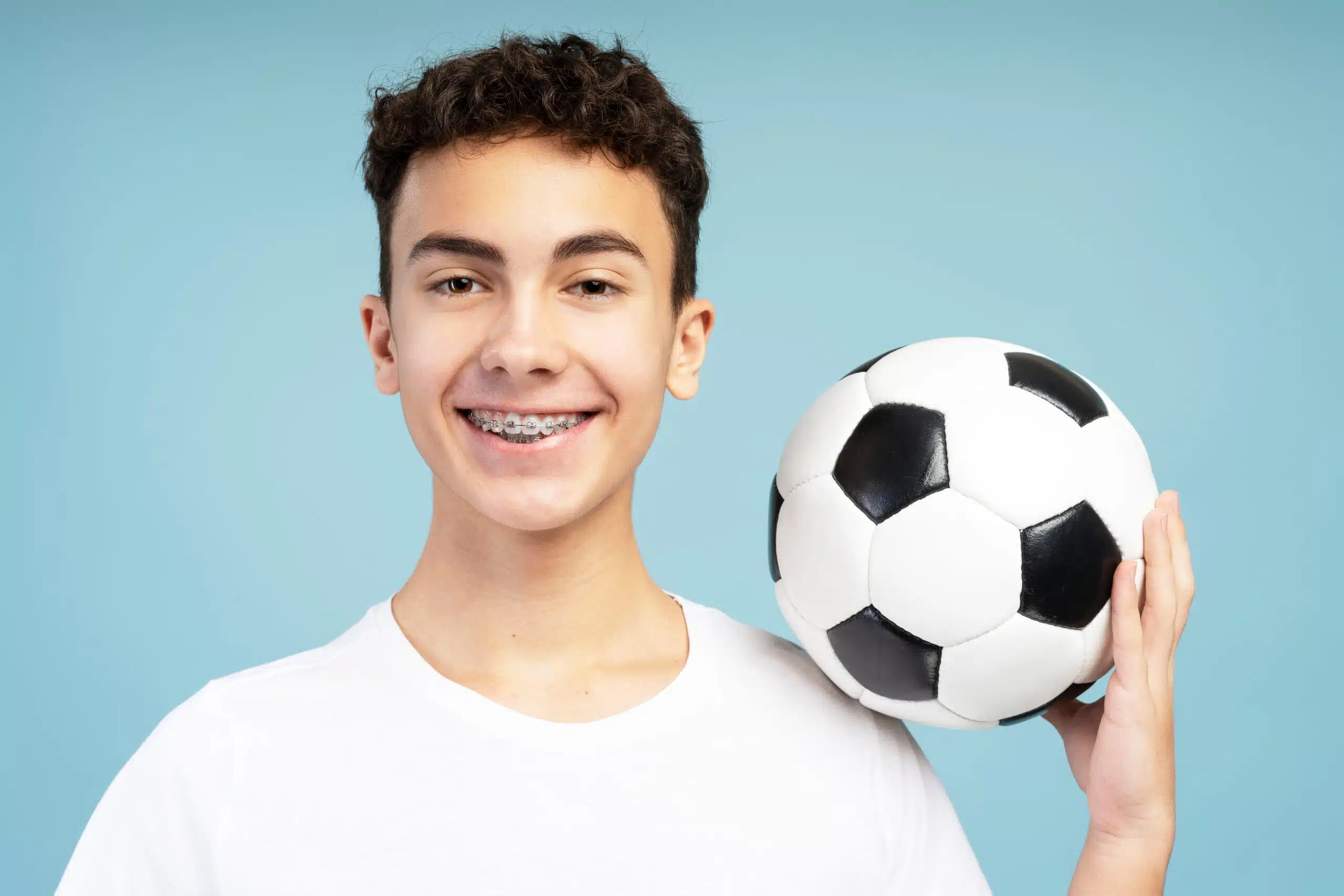
Featured image for “Orthodontics for Athletes: Protecting Your Smile During Sports Season”

Share:

Braces and sports don’t have to be a bad combination, but they do require a little extra planning. Whether your child is starting orthodontic treatment mid-season or you’re an adult athlete wearing aligners, protecting both your teeth and your orthodontic appliances during physical activity matters just as much as protecting your smile in general.

Why Athletes Need to Think About Their Teeth Differently

Contact sports and high-impact activities put teeth at risk in ways that casual daily life doesn’t. A stray elbow, a fall, or a collision can chip a tooth, knock one loose, or in more serious cases, knock a tooth out completely. Dental emergencies caused by trauma are not rare, and the risk goes up any time a mouth guard isn’t being worn during a game or practice.

For patients currently in orthodontic treatment, the stakes are a bit different. A blow to the mouth can damage brackets, bend wires, or dislodge an aligner, on top of any direct injury to the teeth or gums. That combination of orthodontic appliance damage and dental trauma is exactly why protective gear matters more during active treatment, not less.

Mouthguards: The Simplest Protective Step

A properly fitted mouthguard is one of the most effective ways to reduce the risk of sports-related dental injuries. This holds true whether or not you’re wearing braces, but it becomes especially important during orthodontic treatment, since a direct impact to the mouth can affect both your natural teeth and the appliance itself.

If you participate in sports or any high-contact activity, wearing a mouthguard helps protect your teeth from accidental impact. This advice applies broadly, not just to patients with braces or aligners: even patients who’ve completed cosmetic treatments like veneers are advised to wear a mouthguard during sports to prevent chipping or cracking from an unexpected hit.

Custom-fitted mouthguards, made from a mold of your own teeth, tend to offer a better fit than generic boil-and-bite versions bought off the shelf. A properly fitted guard stays in place better during activity and is less likely to interfere with breathing or speaking, which matters for athletes who need to communicate with teammates mid-game.

What to Do If a Sports Injury Happens Mid-Treatment

Even with a mouthguard, accidents happen. If a tooth gets knocked out entirely during a game or practice, timing matters more than almost anything else. The moment a tooth exits the socket, the surrounding tissues, nerves, and blood vessels are damaged. If the tooth can be placed back into its socket within about an hour, there’s a real chance the tissue will grow back to support it. Call the dentist’s office right away, handle the tooth by the crown only (never the root), rinse it gently under warm water, and try to reinsert it into the socket. If that’s not possible, keep it moist by tucking it into the cheek pouch until you can get to the office.

For a tooth that’s been loosened or shifted out of place rather than knocked out entirely, call to schedule an appointment as soon as possible. In the meantime, a cold compress and over-the-counter pain relief can help manage discomfort. The dentist will typically reposition the tooth and may use a splint to stabilize it while it heals. If the tooth doesn’t heal as expected, root canal therapy may become necessary later.

Broken brackets, poking wires, or a dislodged aligner tray from a sports impact should also be reported to your dental team as soon as possible. These issues don’t always cause pain right away, but leaving damaged orthodontic appliances unaddressed can slow down treatment progress or cause irritation inside the mouth.

Balancing Orthodontic Treatment With an Active Season

Parents of young athletes in orthodontic treatment often wonder whether sports should be paused entirely during braces. In most cases, that’s not necessary. The more practical approach is making a properly fitted mouthguard part of the regular gear bag, right alongside shin guards, helmets, or any other standard protective equipment for the sport.

For families managing a busy sports schedule alongside orthodontic appointments, it also helps to flag your child’s activity level during checkups. Letting the orthodontic team know your child plays a contact sport allows them to check appliance durability and discuss mouthguard fit as part of routine visits, rather than only after an injury has already occurred.

Protecting Smiles All Season Long in Littleton

Whether your family is dealing with braces, aligners, or general orthodontic care, protecting teeth during an active sports season shouldn’t be an afterthought. A well-fitted mouthguard, quick action if an injury happens, and open communication with your dental team can prevent a sports injury from turning into a bigger dental problem.

Red Rocks Family Dentistry has provided dental care to Littleton families since 1954. Dr. Angelica Damianand and their team are available to discuss mouthguard options and orthodontic care for young athletes, and to handle dental emergencies promptly if an injury does occur.

Our office is located at 6169 S Balsam Way #330, Littleton, CO 80123, near the SH 121 highway. Call (303) 933-8230 to schedule a consultation before your season starts, or to reach us right away if a sports-related dental injury happens.

Orthodontics for Athletes: Protecting Your Smile During Sports Season

July 10, 2026

Braces and sports don’t have to be a bad combination, but they do require a little extra planning. Whether your child is starting orthodontic treatment mid-season or you’re an adult athlete wearing aligners, protecting both your teeth and your orthodontic appliances during physical activity matters just as much as protecting your smile in general.

Why Athletes Need to Think About Their Teeth Differently

Contact sports and high-impact activities put teeth at risk in ways that casual daily life doesn’t. A stray elbow, a fall, or a collision can chip a tooth, knock one loose, or in more serious cases, knock a tooth out completely. Dental emergencies caused by trauma are not rare, and the risk goes up any time a mouth guard isn’t being worn during a game or practice.

For patients currently in orthodontic treatment, the stakes are a bit different. A blow to the mouth can damage brackets, bend wires, or dislodge an aligner, on top of any direct injury to the teeth or gums. That combination of orthodontic appliance damage and dental trauma is exactly why protective gear matters more during active treatment, not less.

Mouthguards: The Simplest Protective Step

A properly fitted mouthguard is one of the most effective ways to reduce the risk of sports-related dental injuries. This holds true whether or not you’re wearing braces, but it becomes especially important during orthodontic treatment, since a direct impact to the mouth can affect both your natural teeth and the appliance itself.

If you participate in sports or any high-contact activity, wearing a mouthguard helps protect your teeth from accidental impact. This advice applies broadly, not just to patients with braces or aligners: even patients who’ve completed cosmetic treatments like veneers are advised to wear a mouthguard during sports to prevent chipping or cracking from an unexpected hit.

Custom-fitted mouthguards, made from a mold of your own teeth, tend to offer a better fit than generic boil-and-bite versions bought off the shelf. A properly fitted guard stays in place better during activity and is less likely to interfere with breathing or speaking, which matters for athletes who need to communicate with teammates mid-game.

What to Do If a Sports Injury Happens Mid-Treatment

Even with a mouthguard, accidents happen. If a tooth gets knocked out entirely during a game or practice, timing matters more than almost anything else. The moment a tooth exits the socket, the surrounding tissues, nerves, and blood vessels are damaged. If the tooth can be placed back into its socket within about an hour, there’s a real chance the tissue will grow back to support it. Call the dentist’s office right away, handle the tooth by the crown only (never the root), rinse it gently under warm water, and try to reinsert it into the socket. If that’s not possible, keep it moist by tucking it into the cheek pouch until you can get to the office.

For a tooth that’s been loosened or shifted out of place rather than knocked out entirely, call to schedule an appointment as soon as possible. In the meantime, a cold compress and over-the-counter pain relief can help manage discomfort. The dentist will typically reposition the tooth and may use a splint to stabilize it while it heals. If the tooth doesn’t heal as expected, root canal therapy may become necessary later.

Broken brackets, poking wires, or a dislodged aligner tray from a sports impact should also be reported to your dental team as soon as possible. These issues don’t always cause pain right away, but leaving damaged orthodontic appliances unaddressed can slow down treatment progress or cause irritation inside the mouth.

Balancing Orthodontic Treatment With an Active Season

Parents of young athletes in orthodontic treatment often wonder whether sports should be paused entirely during braces. In most cases, that’s not necessary. The more practical approach is making a properly fitted mouthguard part of the regular gear bag, right alongside shin guards, helmets, or any other standard protective equipment for the sport.

For families managing a busy sports schedule alongside orthodontic appointments, it also helps to flag your child’s activity level during checkups. Letting the orthodontic team know your child plays a contact sport allows them to check appliance durability and discuss mouthguard fit as part of routine visits, rather than only after an injury has already occurred.

Protecting Smiles All Season Long in Littleton

Whether your family is dealing with braces, aligners, or general orthodontic care, protecting teeth during an active sports season shouldn’t be an afterthought. A well-fitted mouthguard, quick action if an injury happens, and open communication with your dental team can prevent a sports injury from turning into a bigger dental problem.

Red Rocks Family Dentistry has provided dental care to Littleton families since 1954. Dr. Angelica Damianand and their team are available to discuss mouthguard options and orthodontic care for young athletes, and to handle dental emergencies promptly if an injury does occur.

Our office is located at 6169 S Balsam Way #330, Littleton, CO 80123, near the SH 121 highway. Call (303) 933-8230 to schedule a consultation before your season starts, or to reach us right away if a sports-related dental injury happens.


Share: