
Maintaining Dental Veneers: Tips for a Beautiful, Lasting Smile

November 12, 2024
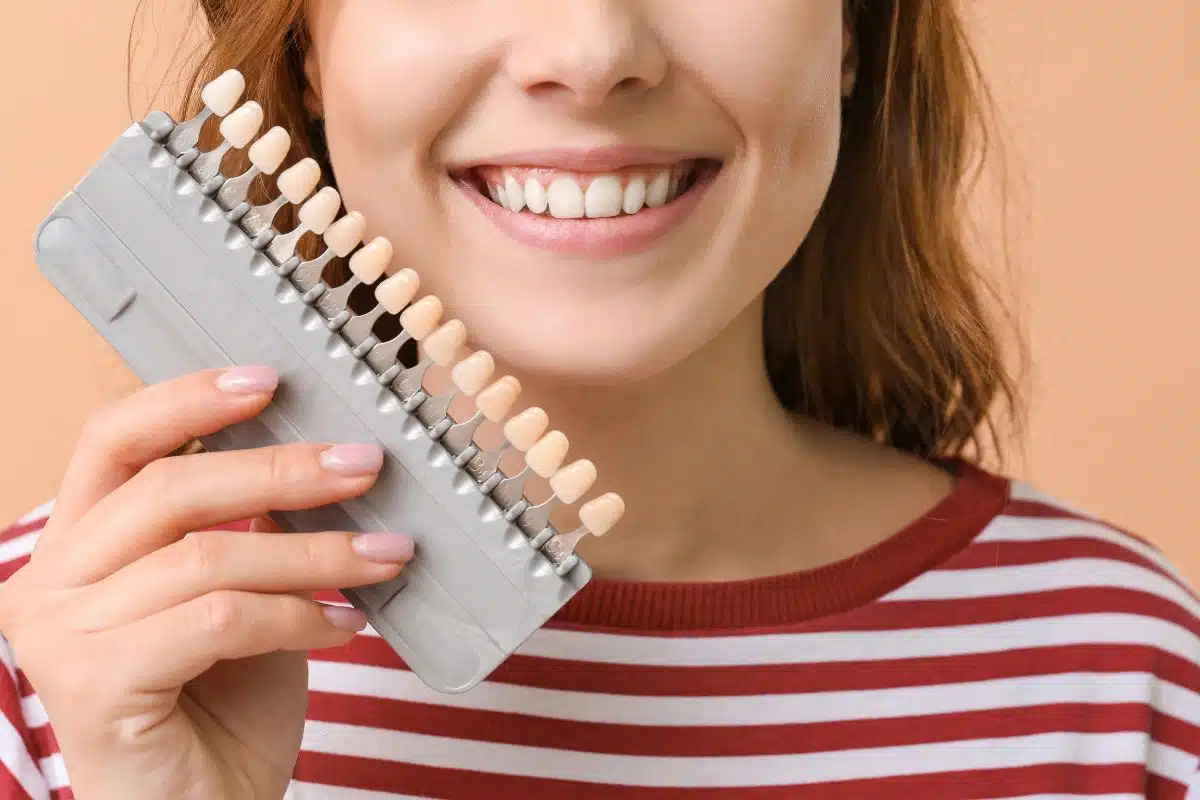
Featured image for “Maintaining Dental Veneers: Tips for a Beautiful, Lasting Smile”

Share:

Dental veneers are a popular cosmetic solution for those looking to improve their smiles. They offer a long-lasting way to enhance your teeth’s appearance, covering imperfections like chips, discoloration, or minor misalignments. However, to get the most out of your veneers and keep your smile looking beautiful, you need to care for them properly. In this guide, we’ll discuss practical tips to help you maintain your dental veneers for years to come.

Understanding Dental Veneers and Their Benefits

Dental veneers are thin, custom-made shells, typically made of porcelain or composite resin, that cover the front surface of your teeth. They are bonded to the teeth to create a natural and enhanced look, helping individuals achieve the smile they’ve always wanted. With the help of a cosmetic dentist, dental veneers can provide you with a uniform, bright, and flawless appearance. However, while veneers are durable, they’re not indestructible, which means they need proper care to maintain their look and function.

1. Practice Good Oral Hygiene

One of the most important things you can do to care for your veneers is to maintain good oral hygiene. Although veneers are resistant to stains and decay, the natural teeth and gums surrounding them still need regular cleaning to stay healthy. Keeping a clean mouth helps ensure your veneers stay in place and maintain their bright appearance.

Tips for Daily Oral Hygiene

  • Brush Twice a Day: Use a soft-bristled toothbrush to brush your teeth and veneers gently. Hard or abrasive toothbrushes can scratch the surface of your veneers over time.
  • Floss Daily: Flossing is essential, even with veneers, as it removes food particles and plaque between the teeth. Be gentle around the edges of your veneers to avoid damaging them.
  • Rinse with Mouthwash: Using a non-alcoholic mouthwash helps remove bacteria and freshens breath without drying out your mouth, which is important for keeping your gums healthy.

Keeping your veneers clean is the best way to make sure they last. Good oral hygiene also helps to prevent issues like gum disease, which could affect how well your veneers bond to your teeth.

2. Be Mindful of What You Eat and Drink

Veneers are designed to be strong and durable, but they can still be damaged by certain foods and drinks. While you don’t need to follow a strict diet, being mindful of what you consume can help you avoid unnecessary wear and tear on your veneers.

Foods and Drinks to Watch Out For

  • Hard Foods: Avoid biting into hard foods like ice, nuts, or hard candies directly with your front teeth, as this could chip or crack your veneers.
  • Staining Beverages: Although veneers are more resistant to stains than natural teeth, beverages like coffee, red wine, and tea can still affect the color of the veneers over time. Using a straw can help limit contact with these drinks.
  • Sticky Foods: Foods like caramel or sticky candies can pull on your veneers or get stuck between them, which can weaken the bond over time.

Eating a balanced diet and avoiding certain foods will help your veneers look new longer. For personalized dietary advice, consulting a cosmetic dentist can help you make informed choices about foods that might impact your veneers.

3. Protect Your Veneers from Damage

Dental veneers are a valuable investment, so protecting them from potential damage is essential. Here are some tips to help you avoid chipping or cracking your veneers.

Ways to Protect Your Veneers

  • Wear a Mouthguard: If you participate in sports or any high-contact activity, wear a mouthguard to protect your teeth and veneers from accidental impact.
  • Address Teeth Grinding: Grinding or clenching your teeth (a condition known as bruxism) can damage your veneers. If you grind your teeth, ask your dentist about a custom night guard to protect your veneers while you sleep.
  • Avoid Using Teeth as Tools: Using your teeth to open packages, bottles, or bite nails can damage your veneers. Always use the appropriate tools for these tasks instead.

By taking these simple precautions, you’ll reduce the chances of damaging your veneers and extend their lifespan.

4. Schedule Regular Dental Check-Ups

Routine dental check-ups are crucial for maintaining dental veneers. Visiting your dentist at least twice a year allows them to monitor the condition of your veneers and the health of your gums and natural teeth. Regular appointments also help in detecting early signs of any issues that could affect your veneers.

What to Expect During a Check-Up

  • Professional Cleaning: A dentist or hygienist will clean your teeth, including the surfaces of your veneers, to remove plaque buildup that brushing alone can’t reach.
  • Checking Veneer Placement: Your dentist will examine the edges of your veneers to ensure they are still firmly bonded and not shifting or wearing down.
  • Detecting Early Issues: Your dentist can spot early signs of decay, gum disease, or other problems that could potentially impact your veneers.

A trusted cosmetic dentist in Littleton can guide you on how often to schedule check-ups based on your unique dental needs, ensuring your veneers and oral health are both in excellent condition.

5. Avoid Tobacco and Alcohol

While veneers are more stain-resistant than natural teeth, they aren’t completely immune to discoloration. Tobacco products, including cigarettes and chewing tobacco, can stain the edges of your veneers over time, making them look uneven. Alcohol can also affect the bonding material used to secure your veneers, potentially weakening their attachment over time.

Why Avoiding Tobacco and Alcohol Matters

  • Prevents Discoloration: Avoiding tobacco will keep the edges of your veneers from yellowing or staining, helping your smile stay white and bright.
  • Maintains Bond Strength: Alcohol can wear down the bonding agent over time, which may cause your veneers to loosen or shift.

For the health and longevity of your veneers, it’s best to limit or avoid these substances altogether. This will help preserve the appearance and durability of your veneers, ensuring they look their best for years.

6. Use the Right Dental Products

Not all dental products are suitable for veneers. Some types of toothpaste contain harsh abrasives, which can scratch or dull the surface of your veneers, while certain mouthwashes can affect the bonding material.

Choosing the Best Dental Products

  • Non-Abrasive Toothpaste: Opt for a non-abrasive toothpaste without whitening ingredients. This type of toothpaste will clean your veneers without causing damage.
  • Alcohol-Free Mouthwash: Choose a mouthwash without alcohol, which is gentler on veneers and won’t dry out your mouth.
  • Soft-Bristled Toothbrush: A soft-bristled toothbrush is best for cleaning veneers without scratching or dulling them.

Using the right dental products can make a significant difference in maintaining the appearance and durability of your veneers. If you’re unsure which products are best, ask your cosmetic dentist for recommendations suited to your veneers.

Final Thoughts on Veneer Care

Dental veneers are an effective way to achieve a beautiful, natural-looking smile, but they do require proper care to stay in top condition. By practicing good oral hygiene, protecting your veneers from potential damage, being mindful of your diet, and avoiding harmful habits, you can help ensure your veneers last for many years.

If you’re considering veneers or want to learn more about maintaining them, a cosmetic dentist in Littleton can provide valuable guidance. With the right approach to care, your veneers can offer you a long-lasting and confident smile. Remember, proper maintenance is the key to preserving the investment you’ve made in your smile!

Maintaining Dental Veneers: Tips for a Beautiful, Lasting Smile

November 12, 2024

Dental veneers are a popular cosmetic solution for those looking to improve their smiles. They offer a long-lasting way to enhance your teeth’s appearance, covering imperfections like chips, discoloration, or minor misalignments. However, to get the most out of your veneers and keep your smile looking beautiful, you need to care for them properly. In this guide, we’ll discuss practical tips to help you maintain your dental veneers for years to come.

Understanding Dental Veneers and Their Benefits

Dental veneers are thin, custom-made shells, typically made of porcelain or composite resin, that cover the front surface of your teeth. They are bonded to the teeth to create a natural and enhanced look, helping individuals achieve the smile they’ve always wanted. With the help of a cosmetic dentist, dental veneers can provide you with a uniform, bright, and flawless appearance. However, while veneers are durable, they’re not indestructible, which means they need proper care to maintain their look and function.

1. Practice Good Oral Hygiene

One of the most important things you can do to care for your veneers is to maintain good oral hygiene. Although veneers are resistant to stains and decay, the natural teeth and gums surrounding them still need regular cleaning to stay healthy. Keeping a clean mouth helps ensure your veneers stay in place and maintain their bright appearance.

Tips for Daily Oral Hygiene

  • Brush Twice a Day: Use a soft-bristled toothbrush to brush your teeth and veneers gently. Hard or abrasive toothbrushes can scratch the surface of your veneers over time.
  • Floss Daily: Flossing is essential, even with veneers, as it removes food particles and plaque between the teeth. Be gentle around the edges of your veneers to avoid damaging them.
  • Rinse with Mouthwash: Using a non-alcoholic mouthwash helps remove bacteria and freshens breath without drying out your mouth, which is important for keeping your gums healthy.

Keeping your veneers clean is the best way to make sure they last. Good oral hygiene also helps to prevent issues like gum disease, which could affect how well your veneers bond to your teeth.

2. Be Mindful of What You Eat and Drink

Veneers are designed to be strong and durable, but they can still be damaged by certain foods and drinks. While you don’t need to follow a strict diet, being mindful of what you consume can help you avoid unnecessary wear and tear on your veneers.

Foods and Drinks to Watch Out For

  • Hard Foods: Avoid biting into hard foods like ice, nuts, or hard candies directly with your front teeth, as this could chip or crack your veneers.
  • Staining Beverages: Although veneers are more resistant to stains than natural teeth, beverages like coffee, red wine, and tea can still affect the color of the veneers over time. Using a straw can help limit contact with these drinks.
  • Sticky Foods: Foods like caramel or sticky candies can pull on your veneers or get stuck between them, which can weaken the bond over time.

Eating a balanced diet and avoiding certain foods will help your veneers look new longer. For personalized dietary advice, consulting a cosmetic dentist can help you make informed choices about foods that might impact your veneers.

3. Protect Your Veneers from Damage

Dental veneers are a valuable investment, so protecting them from potential damage is essential. Here are some tips to help you avoid chipping or cracking your veneers.

Ways to Protect Your Veneers

  • Wear a Mouthguard: If you participate in sports or any high-contact activity, wear a mouthguard to protect your teeth and veneers from accidental impact.
  • Address Teeth Grinding: Grinding or clenching your teeth (a condition known as bruxism) can damage your veneers. If you grind your teeth, ask your dentist about a custom night guard to protect your veneers while you sleep.
  • Avoid Using Teeth as Tools: Using your teeth to open packages, bottles, or bite nails can damage your veneers. Always use the appropriate tools for these tasks instead.

By taking these simple precautions, you’ll reduce the chances of damaging your veneers and extend their lifespan.

4. Schedule Regular Dental Check-Ups

Routine dental check-ups are crucial for maintaining dental veneers. Visiting your dentist at least twice a year allows them to monitor the condition of your veneers and the health of your gums and natural teeth. Regular appointments also help in detecting early signs of any issues that could affect your veneers.

What to Expect During a Check-Up

  • Professional Cleaning: A dentist or hygienist will clean your teeth, including the surfaces of your veneers, to remove plaque buildup that brushing alone can’t reach.
  • Checking Veneer Placement: Your dentist will examine the edges of your veneers to ensure they are still firmly bonded and not shifting or wearing down.
  • Detecting Early Issues: Your dentist can spot early signs of decay, gum disease, or other problems that could potentially impact your veneers.

A trusted cosmetic dentist in Littleton can guide you on how often to schedule check-ups based on your unique dental needs, ensuring your veneers and oral health are both in excellent condition.

5. Avoid Tobacco and Alcohol

While veneers are more stain-resistant than natural teeth, they aren’t completely immune to discoloration. Tobacco products, including cigarettes and chewing tobacco, can stain the edges of your veneers over time, making them look uneven. Alcohol can also affect the bonding material used to secure your veneers, potentially weakening their attachment over time.

Why Avoiding Tobacco and Alcohol Matters

  • Prevents Discoloration: Avoiding tobacco will keep the edges of your veneers from yellowing or staining, helping your smile stay white and bright.
  • Maintains Bond Strength: Alcohol can wear down the bonding agent over time, which may cause your veneers to loosen or shift.

For the health and longevity of your veneers, it’s best to limit or avoid these substances altogether. This will help preserve the appearance and durability of your veneers, ensuring they look their best for years.

6. Use the Right Dental Products

Not all dental products are suitable for veneers. Some types of toothpaste contain harsh abrasives, which can scratch or dull the surface of your veneers, while certain mouthwashes can affect the bonding material.

Choosing the Best Dental Products

  • Non-Abrasive Toothpaste: Opt for a non-abrasive toothpaste without whitening ingredients. This type of toothpaste will clean your veneers without causing damage.
  • Alcohol-Free Mouthwash: Choose a mouthwash without alcohol, which is gentler on veneers and won’t dry out your mouth.
  • Soft-Bristled Toothbrush: A soft-bristled toothbrush is best for cleaning veneers without scratching or dulling them.

Using the right dental products can make a significant difference in maintaining the appearance and durability of your veneers. If you’re unsure which products are best, ask your cosmetic dentist for recommendations suited to your veneers.

Final Thoughts on Veneer Care

Dental veneers are an effective way to achieve a beautiful, natural-looking smile, but they do require proper care to stay in top condition. By practicing good oral hygiene, protecting your veneers from potential damage, being mindful of your diet, and avoiding harmful habits, you can help ensure your veneers last for many years.

If you’re considering veneers or want to learn more about maintaining them, a cosmetic dentist in Littleton can provide valuable guidance. With the right approach to care, your veneers can offer you a long-lasting and confident smile. Remember, proper maintenance is the key to preserving the investment you’ve made in your smile!


Share: