
Is It Too Late to Reverse Baby Bottle Tooth Decay? What Treatment Looks Like

August 12, 2026
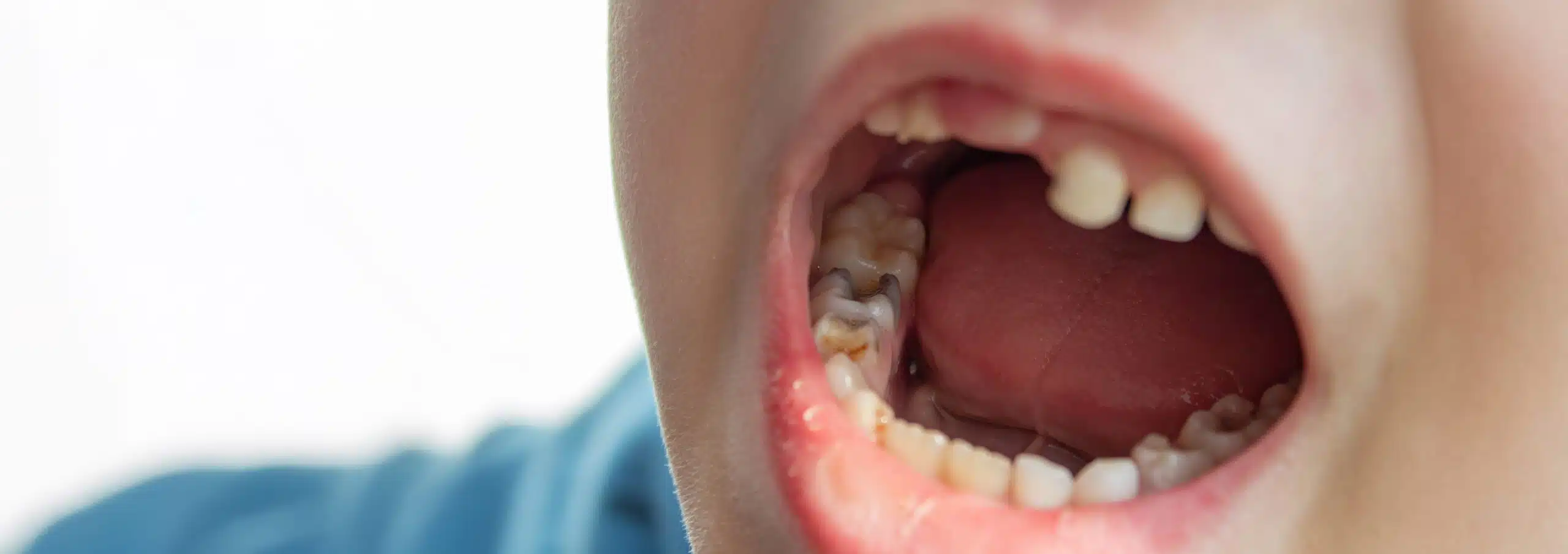
Featured image for “Is It Too Late to Reverse Baby Bottle Tooth Decay? What Treatment Looks Like”

Share:

If you have noticed white spots, discoloration, sensitivity, or visible cavities on your baby’s teeth, you may be wondering: Is It Too Late to Reverse Baby Bottle Tooth Decay? The answer depends on how far the tooth decay has progressed. Early action can make an important difference, but an established cavity cannot simply be brushed away at home.

At Red Rocks Family Dentistry in Littleton, families can receive pediatric dentistry focused on protecting primary teeth and addressing childhood tooth decay. Baby teeth are important for chewing, speech development, and maintaining space for permanent teeth, so dental problems should not be ignored simply because these teeth will eventually fall out.

Is It Too Late to Reverse Baby Bottle Tooth Decay?

Not necessarily—but it is important to understand what “reverse” means.

Baby bottle tooth decay is a form of early childhood caries that commonly affects infants and toddlers, particularly the upper front teeth. Once decay has developed into a cavity, professional evaluation is needed to determine whether the tooth can be preserved.

Red Rocks Family Dentistry explains that baby bottle tooth decay can become severe enough that a pediatric dentist may not be able to save the affected tooth. In those cases, the damaged tooth may need to be removed, and a space maintainer may be provided to help prevent surrounding teeth from shifting into the space.

That is why waiting for the problem to “go away” is not a good strategy. A dental examination can help determine the condition of the affected teeth and what care may be appropriate.

What Causes Baby Bottle Tooth Decay?

Baby bottle tooth decay develops when oral bacteria produce acids that attack tooth enamel. The Red Rocks Family Dentistry website identifies frequent exposure to sweetened liquids as a prominent risk factor.

These liquids can include:

  • Breast milk
  • Baby formula
  • Juice
  • Sweetened water
  • Other liquids placed in a bottle

The risk becomes greater when a child regularly drinks these liquids during naps or at bedtime because the liquid can remain around the teeth for an extended period. Oral bacteria use sugars around the teeth and produce acids that wear away enamel.

Parents should also avoid unnecessary saliva exchange, such as cleaning a pacifier with their mouth or sharing spoons, because bacteria can be transferred from parent to child.

What Does Baby Bottle Tooth Decay Treatment Look Like?

Treatment depends on the condition of the affected tooth. A pediatric dentist first needs to evaluate the child’s teeth and determine whether the tooth can be preserved.

Early or Less Advanced Problems

The first step is professional evaluation and establishing better home care. Red Rocks Family Dentistry recommends regular pediatric dental appointments, appropriate brushing, attention to fluoride levels, and reducing exposure to sugary drinks and snacks.

Parents should also establish a drink-free bedtime routine and avoid putting sugary drinks in bottles or sippy cups.

When Decay Has Reached the Pulp

More advanced decay can damage the pulp, the tissue at the center of the tooth containing nerves, blood vessels, and other tissue.

The practice offers information about pediatric pulp therapy, which is intended to treat, restore, and save an affected primary or permanent tooth when appropriate. Depending on the extent of pulp damage, treatment may involve a pulpotomy or pulpectomy.

A pulpotomy removes affected pulp while leaving healthy portions in place when appropriate. A pulpectomy involves removing affected pulp from the tooth and cleaning the root canals. The treatment selected depends on factors such as the extent of damage and the child’s individual situation.

When a Tooth Cannot Be Saved

Unfortunately, advanced baby bottle tooth decay can sometimes damage a tooth beyond the point where it can be preserved. Red Rocks Family Dentistry notes that extraction may be necessary in these situations.

Because premature loss of a primary tooth can allow neighboring teeth to shift, a space maintainer may be recommended to help preserve the space needed for developing permanent teeth.

What Are the Warning Signs Parents Should Watch For?

Parents should arrange a dental evaluation if they notice changes in their child’s teeth or symptoms associated with tooth decay.

Potential concerns include:

  • Visible discoloration or cavities
  • Tooth sensitivity
  • Toothache or pain
  • Nighttime discomfort or waking
  • Swelling or redness around a tooth
  • A loose tooth that does not appear to be naturally ready to fall out

Red Rocks Family Dentistry notes that large cavities can be painful while small cavities may cause little or no discomfort. Some cavities can also develop between teeth and may not be obvious just by looking.

If your child has symptoms or visible tooth changes, don’t wait for pain to become severe before seeking an evaluation.

Can Parents Prevent Baby Bottle Tooth Decay From Getting Worse?

Yes. Prevention and consistent home care are important parts of protecting primary teeth.

Red Rocks Family Dentistry recommends that parents:

  • Clean an infant’s gums with a clean washcloth after feedings.
  • Begin brushing when teeth start emerging using an appropriate toothbrush and ADA-approved toothpaste.
  • Avoid sugary drinks in bottles and sippy cups.
  • Avoid putting a liquid-filled bottle in bed; use water instead if a bottle is necessary.
  • Avoid dipping pacifiers in sweet liquids such as honey.
  • Reduce sugar-filled snacks and encourage a nutritious diet.
  • Clean the child’s teeth until around age seven because young children may have difficulty reaching every area effectively.
  • Ask the pediatric dentist to assess the child’s fluoride needs.

Parents can also review their child’s oral care, diet, fluoride intake, and drinking habits during a pediatric dental visit.

When Should a Baby First See the Dentist?

Don’t wait until your child has a cavity.

Red Rocks Family Dentistry’s pediatric-dentistry information cites AAPD guidance recommending an initial well-baby dental visit around the first birthday or approximately six months after the first tooth emerges. The purpose is not simply to look for cavities—it also gives the dental team an opportunity to evaluate emerging teeth, discuss diet and oral habits, review fluoride intake, and help parents establish an effective home-care routine.

For Littleton parents concerned about baby bottle tooth decay, an early evaluation can provide a clearer answer about what is happening and what should happen next.

The Bottom Line: Is It Too Late to Reverse Baby Bottle Tooth Decay?

Is It Too Late to Reverse Baby Bottle Tooth Decay? Not always—but the answer depends on the condition of the teeth. Early attention may help prevent further damage, while more advanced decay may require treatment to save a tooth or, when a tooth cannot be saved, removal and consideration of a space maintainer.

The most important step is not trying to diagnose the severity at home. If you see signs of decay, pain, discoloration, or other changes in your child’s teeth, schedule a pediatric dental evaluation. Red Rocks Family Dentistry in Littleton can assess your child’s primary teeth and discuss appropriate next steps for protecting their developing smile.

Concerned that your child may have baby bottle tooth decay? Schedule an appointment with Red Rocks Family Dentistry in Littleton to have your child’s teeth evaluated and discuss the appropriate next step.

FAQs

1. Can baby bottle tooth decay be reversed?

The outcome depends on how advanced the decay is. Early intervention and improved home care can help prevent further damage, while established or severe decay may require professional treatment.

2. What happens if baby bottle tooth decay is severe?

If decay becomes severe enough that the tooth cannot be saved, the damaged tooth may need to be removed. A space maintainer may then be provided to help prevent neighboring teeth from shifting.

3. Can a dentist save a baby tooth with severe decay?

In some cases, yes. When decay has affected the pulp, pediatric pulp therapy may be used to treat and save the tooth when appropriate. The recommended treatment depends on the extent of the damage and the individual child.

4. How can I prevent baby bottle tooth decay?

Avoid sugary drinks in bottles and sippy cups, don’t put a liquid-filled bottle to bed, clean your baby’s gums after feeding, brush emerging teeth appropriately, maintain a healthy diet, and keep regular pediatric dental appointments.

5. When should my baby first see a dentist?

Red Rocks Family Dentistry’s pediatric-dentistry information cites AAPD guidance recommending a first dental visit around the child’s first birthday or approximately six months after the first tooth emerges.

Is It Too Late to Reverse Baby Bottle Tooth Decay? What Treatment Looks Like

August 12, 2026

If you have noticed white spots, discoloration, sensitivity, or visible cavities on your baby’s teeth, you may be wondering: Is It Too Late to Reverse Baby Bottle Tooth Decay? The answer depends on how far the tooth decay has progressed. Early action can make an important difference, but an established cavity cannot simply be brushed away at home.

At Red Rocks Family Dentistry in Littleton, families can receive pediatric dentistry focused on protecting primary teeth and addressing childhood tooth decay. Baby teeth are important for chewing, speech development, and maintaining space for permanent teeth, so dental problems should not be ignored simply because these teeth will eventually fall out.

Is It Too Late to Reverse Baby Bottle Tooth Decay?

Not necessarily—but it is important to understand what “reverse” means.

Baby bottle tooth decay is a form of early childhood caries that commonly affects infants and toddlers, particularly the upper front teeth. Once decay has developed into a cavity, professional evaluation is needed to determine whether the tooth can be preserved.

Red Rocks Family Dentistry explains that baby bottle tooth decay can become severe enough that a pediatric dentist may not be able to save the affected tooth. In those cases, the damaged tooth may need to be removed, and a space maintainer may be provided to help prevent surrounding teeth from shifting into the space.

That is why waiting for the problem to “go away” is not a good strategy. A dental examination can help determine the condition of the affected teeth and what care may be appropriate.

What Causes Baby Bottle Tooth Decay?

Baby bottle tooth decay develops when oral bacteria produce acids that attack tooth enamel. The Red Rocks Family Dentistry website identifies frequent exposure to sweetened liquids as a prominent risk factor.

These liquids can include:

  • Breast milk
  • Baby formula
  • Juice
  • Sweetened water
  • Other liquids placed in a bottle

The risk becomes greater when a child regularly drinks these liquids during naps or at bedtime because the liquid can remain around the teeth for an extended period. Oral bacteria use sugars around the teeth and produce acids that wear away enamel.

Parents should also avoid unnecessary saliva exchange, such as cleaning a pacifier with their mouth or sharing spoons, because bacteria can be transferred from parent to child.

What Does Baby Bottle Tooth Decay Treatment Look Like?

Treatment depends on the condition of the affected tooth. A pediatric dentist first needs to evaluate the child’s teeth and determine whether the tooth can be preserved.

Early or Less Advanced Problems

The first step is professional evaluation and establishing better home care. Red Rocks Family Dentistry recommends regular pediatric dental appointments, appropriate brushing, attention to fluoride levels, and reducing exposure to sugary drinks and snacks.

Parents should also establish a drink-free bedtime routine and avoid putting sugary drinks in bottles or sippy cups.

When Decay Has Reached the Pulp

More advanced decay can damage the pulp, the tissue at the center of the tooth containing nerves, blood vessels, and other tissue.

The practice offers information about pediatric pulp therapy, which is intended to treat, restore, and save an affected primary or permanent tooth when appropriate. Depending on the extent of pulp damage, treatment may involve a pulpotomy or pulpectomy.

A pulpotomy removes affected pulp while leaving healthy portions in place when appropriate. A pulpectomy involves removing affected pulp from the tooth and cleaning the root canals. The treatment selected depends on factors such as the extent of damage and the child’s individual situation.

When a Tooth Cannot Be Saved

Unfortunately, advanced baby bottle tooth decay can sometimes damage a tooth beyond the point where it can be preserved. Red Rocks Family Dentistry notes that extraction may be necessary in these situations.

Because premature loss of a primary tooth can allow neighboring teeth to shift, a space maintainer may be recommended to help preserve the space needed for developing permanent teeth.

What Are the Warning Signs Parents Should Watch For?

Parents should arrange a dental evaluation if they notice changes in their child’s teeth or symptoms associated with tooth decay.

Potential concerns include:

  • Visible discoloration or cavities
  • Tooth sensitivity
  • Toothache or pain
  • Nighttime discomfort or waking
  • Swelling or redness around a tooth
  • A loose tooth that does not appear to be naturally ready to fall out

Red Rocks Family Dentistry notes that large cavities can be painful while small cavities may cause little or no discomfort. Some cavities can also develop between teeth and may not be obvious just by looking.

If your child has symptoms or visible tooth changes, don’t wait for pain to become severe before seeking an evaluation.

Can Parents Prevent Baby Bottle Tooth Decay From Getting Worse?

Yes. Prevention and consistent home care are important parts of protecting primary teeth.

Red Rocks Family Dentistry recommends that parents:

  • Clean an infant’s gums with a clean washcloth after feedings.
  • Begin brushing when teeth start emerging using an appropriate toothbrush and ADA-approved toothpaste.
  • Avoid sugary drinks in bottles and sippy cups.
  • Avoid putting a liquid-filled bottle in bed; use water instead if a bottle is necessary.
  • Avoid dipping pacifiers in sweet liquids such as honey.
  • Reduce sugar-filled snacks and encourage a nutritious diet.
  • Clean the child’s teeth until around age seven because young children may have difficulty reaching every area effectively.
  • Ask the pediatric dentist to assess the child’s fluoride needs.

Parents can also review their child’s oral care, diet, fluoride intake, and drinking habits during a pediatric dental visit.

When Should a Baby First See the Dentist?

Don’t wait until your child has a cavity.

Red Rocks Family Dentistry’s pediatric-dentistry information cites AAPD guidance recommending an initial well-baby dental visit around the first birthday or approximately six months after the first tooth emerges. The purpose is not simply to look for cavities—it also gives the dental team an opportunity to evaluate emerging teeth, discuss diet and oral habits, review fluoride intake, and help parents establish an effective home-care routine.

For Littleton parents concerned about baby bottle tooth decay, an early evaluation can provide a clearer answer about what is happening and what should happen next.

The Bottom Line: Is It Too Late to Reverse Baby Bottle Tooth Decay?

Is It Too Late to Reverse Baby Bottle Tooth Decay? Not always—but the answer depends on the condition of the teeth. Early attention may help prevent further damage, while more advanced decay may require treatment to save a tooth or, when a tooth cannot be saved, removal and consideration of a space maintainer.

The most important step is not trying to diagnose the severity at home. If you see signs of decay, pain, discoloration, or other changes in your child’s teeth, schedule a pediatric dental evaluation. Red Rocks Family Dentistry in Littleton can assess your child’s primary teeth and discuss appropriate next steps for protecting their developing smile.

Concerned that your child may have baby bottle tooth decay? Schedule an appointment with Red Rocks Family Dentistry in Littleton to have your child’s teeth evaluated and discuss the appropriate next step.

FAQs

1. Can baby bottle tooth decay be reversed?

The outcome depends on how advanced the decay is. Early intervention and improved home care can help prevent further damage, while established or severe decay may require professional treatment.

2. What happens if baby bottle tooth decay is severe?

If decay becomes severe enough that the tooth cannot be saved, the damaged tooth may need to be removed. A space maintainer may then be provided to help prevent neighboring teeth from shifting.

3. Can a dentist save a baby tooth with severe decay?

In some cases, yes. When decay has affected the pulp, pediatric pulp therapy may be used to treat and save the tooth when appropriate. The recommended treatment depends on the extent of the damage and the individual child.

4. How can I prevent baby bottle tooth decay?

Avoid sugary drinks in bottles and sippy cups, don’t put a liquid-filled bottle to bed, clean your baby’s gums after feeding, brush emerging teeth appropriately, maintain a healthy diet, and keep regular pediatric dental appointments.

5. When should my baby first see a dentist?

Red Rocks Family Dentistry’s pediatric-dentistry information cites AAPD guidance recommending a first dental visit around the child’s first birthday or approximately six months after the first tooth emerges.


Share: