
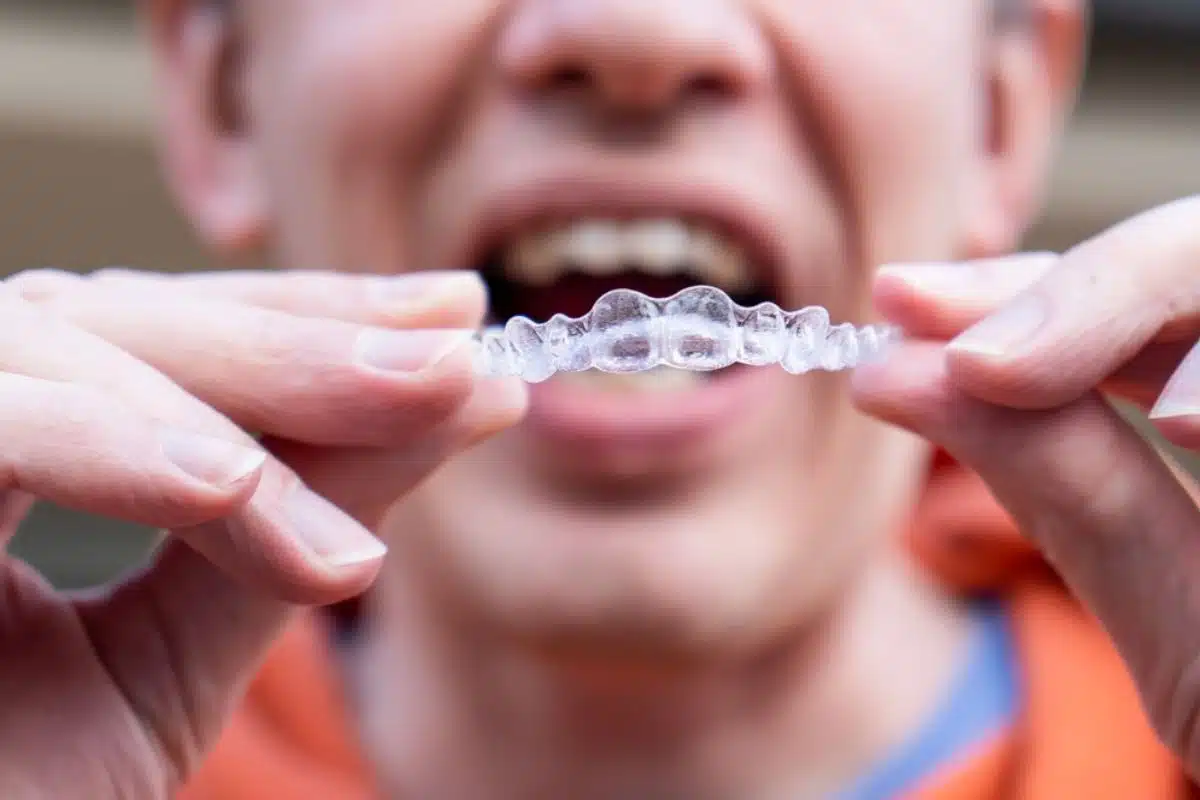
Wearing Invisalign aligners is a discreet and effective way to straighten your teeth. However, like any dental appliance, Invisalign can lead to bad breath if not properly cared for. Many people are surprised to find that even with clear aligners, fresh breath isn’t always a given. Fortunately, there are easy ways to maintain good oral hygiene throughout your orthodontic journey. If you’re looking to keep your breath fresh while getting the smile you’ve always wanted, these tips can help you do just that.
At Red Rocks Family Dentistry, we understand how important it is to feel confident not just in your smile—but in every conversation. Let’s take a closer look at how to prevent bad breath while wearing Invisalign and how staying consistent with your care makes all the difference.
What Causes Bad Breath with Invisalign?
Bad breath, also known as halitosis, can occur for several reasons when using Invisalign. The aligners cover your teeth most of the day, which limits the natural cleansing action of saliva. This creates a space where food particles, plaque, and bacteria can thrive if you’re not careful.
Here are the most common causes of bad breath during orthodontic treatment with Invisalign:
- Not cleaning aligners regularly
- Inadequate brushing and flossing
- Eating with aligners in (a big no-no)
- Skipping dental checkups
- Dry mouth or dehydration
Understanding these factors is the first step to avoiding them.
Simple Habits to Keep Bad Breath Away
1. Clean Your Aligners Thoroughly
Aligners should be cleaned every time you brush your teeth. Use a soft toothbrush and lukewarm water to gently scrub the inside and outside of the trays. Avoid using toothpaste—it can scratch the plastic and trap bacteria.
Special Invisalign cleaning crystals or retainer-cleaning solutions can help eliminate bacteria and odor. A clean aligner means a cleaner mouth, and that leads to fresher breath.
2. Brush and Floss After Every Meal
Since aligners are worn for 20–22 hours a day, any food left behind after eating can become a breeding ground for bacteria once the trays go back in. Always brush and floss after meals and snacks to keep your mouth fresh and prevent odor-causing buildup.
Even if you’re out and about, carrying a travel-sized toothbrush and floss can make a big difference.
3. Rinse Before Reinserting Aligners
After eating, if you can’t brush right away, at least rinse your mouth with water or an alcohol-free mouthwash. This helps flush out food particles and reduces the chance of bad breath. Rinsing your aligners before placing them back in is also a smart move.
4. Stay Hydrated
Dry mouth is one of the biggest contributors to bad breath. When your mouth doesn’t produce enough saliva, bacteria multiply quickly. Drinking plenty of water throughout the day helps keep your mouth moist and clean.
Avoid sugary or acidic drinks while wearing aligners, as they can damage your teeth and contribute to bad odors.
5. Avoid Smoking and Strong-Smelling Foods
Smoking can stain your aligners and cause a lingering odor that’s hard to mask. Similarly, foods like garlic, onions, and coffee can contribute to bad breath, especially if they’re trapped in your aligners. While you don’t need to give these up entirely, brushing afterward is key.
6. Keep Up with Regular Dental Visits
Routine checkups are essential during your orthodontics treatment. A trusted orthodontist in Littleton can help monitor your progress and ensure no oral health issues are developing. Early detection of problems like plaque buildup or gum disease can save you from dealing with chronic bad breath.
Don’t Ignore the Signs of Poor Hygiene
If you notice a persistent bad taste in your mouth or others comment on your breath, it’s a sign something may be off. Invisalign should be a positive part of your orthodontics journey—not something that makes you self-conscious. Paying attention to your daily routine and being proactive with oral care makes all the difference.
Conclusion
Invisalign is a great way to straighten your teeth without the hassle of traditional braces, but it requires attention to oral hygiene. With consistent care and a few simple daily habits, you can keep bad breath at bay and enjoy the confidence that comes with both a straighter and fresher smile.
By understanding what causes bad breath and how to prevent it, you’re setting yourself up for a healthier orthodontic experience. And remember, your orthodontics journey is about more than just aesthetics—it’s about long-term oral health, too.