
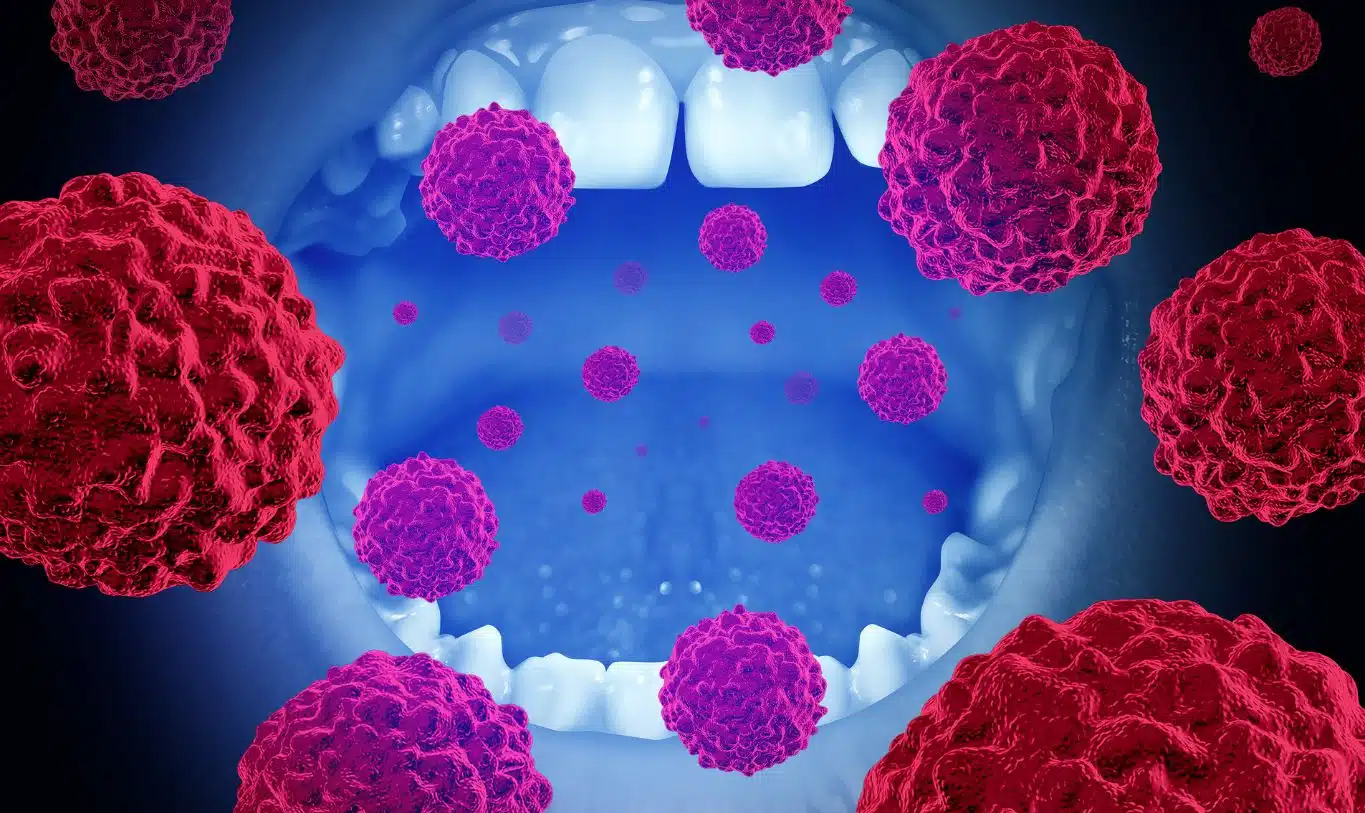
We all know the drill: brush twice a day, floss once a day, and visit the dentist regularly. But let’s be honest, sometimes flossing feels like an Olympic sport, and that dentist appointment keeps getting pushed back. While skipping flossing might not seem like a big deal, when it comes to oral health, consistency is key. And maintaining good oral hygiene goes beyond just a sparkling smile; it can actually play a role in reducing your risk of oral cancer.
What is Oral Cancer?
Oral cancer is a type of cancer that develops in the mouth and throat. It can affect the lips, tongue, cheeks, gums, roof and floor of the mouth, and the tonsils. Early detection is crucial for successful treatment, so oral cancer awareness is vital. If you notice any changes in your mouth, such as lumps, sores that don’t heal, or persistent bleeding, schedule an appointment with your dentist as soon as possible.
The Link Between Oral Hygiene and Oral Cancer
While poor oral hygiene isn’t the sole cause of oral cancer, research suggests a connection. Here’s how:
Chronic Inflammation:
When plaque and bacteria build up on teeth due to poor brushing and flossing, it can lead to chronic inflammation in the gums. This ongoing irritation can damage cells and potentially increase the risk of abnormal cell growth, a hallmark of cancer.
HPV Infection:
The human papillomavirus (HPV) is a sexually transmitted infection that can also be transmitted through oral contact. Certain strains of HPV are linked to some types of oral cancer. While good oral hygiene can’t eliminate HPV, it can create a healthier environment in your mouth, potentially making it less hospitable to the virus.
Don’t Panic, Brush On!
The good news is that taking charge of your oral hygiene is a powerful tool in your overall health arsenal. Here are some simple steps you can take to keep your mouth healthy:

- Brushing Basics: Brush your teeth twice a day for two minutes each time, using a soft-bristled brush and fluoride toothpaste. Don’t forget to brush your tongue!
- Flossing Finesse: Flossing daily removes plaque and bacteria from between your teeth, where brushing can’t reach.
- Regular Checkups: Schedule regular checkups with your dentist, typically every six months. This allows them to detect any potential issues early on.
- Healthy Habits: Maintain a healthy diet low in processed foods and sugar, and avoid tobacco use, both of which are risk factors for oral cancer.
Beyond the Brush: Early Detection is Key
While good oral hygiene can lower your risk, it’s not a guaranteed shield. Oral cancer awareness is crucial. In addition to maintaining good oral hygiene, be familiar with the signs and symptoms of oral cancer. These may include:
- Mouth sores that don’t heal
- Lumps or bumps in the mouth or neck
- White or red patches on the gums, tongue, or inner cheek
- Loose teeth or dentures that don’t fit well
- Difficulty chewing or swallowing
- Changes in your voice
If you experience any of these symptoms, don’t hesitate to schedule an appointment with your dentist. Early detection is key to successful treatment.
Taking Charge of Your Smile and Your Health
Taking care of your oral health isn’t just about a pearly white grin; it’s about your overall well-being. By incorporating a good oral hygiene routine into your daily life, you’re not just brushing your teeth, you’re brushing up on your health.
Remember, consistency is key. Make flossing and regular dental checkups part of your routine, just like brushing. By prioritizing your oral health, you’re taking an important step towards a healthier you.