(303) 933-8230

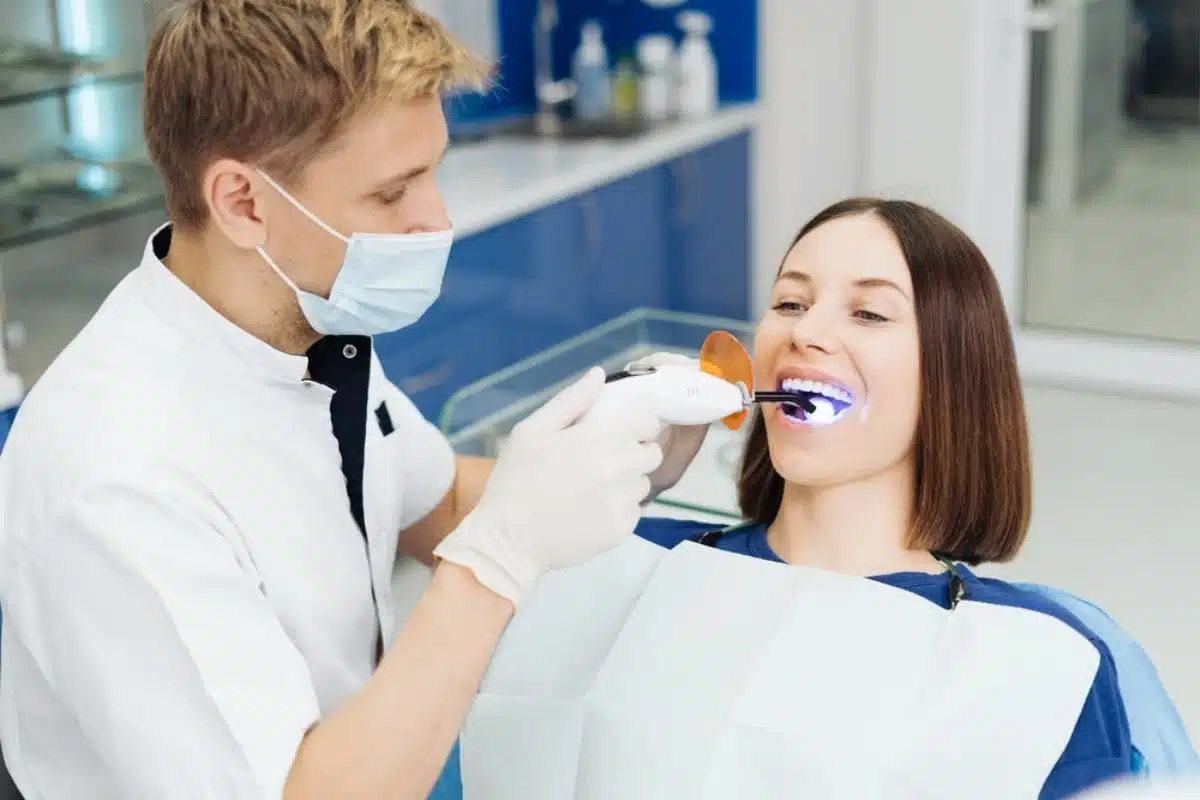
A bright, white smile can boost your confidence and enhance your overall appearance. However, maintaining that brightness requires proper care and the right whitening schedule. Over-whitening can lead to tooth sensitivity and enamel damage, while whitening too infrequently may not give you the results you desire. So, how often should you whiten your teeth? Let’s explore the best approach for a long-lasting, radiant smile.
Understanding Teeth Whitening
Teeth whitening is a process that removes stains and discoloration caused by food, drinks, smoking, and aging. Whether done professionally or with at-home treatments, whitening can significantly improve the appearance of your teeth. However, finding the right balance is key to ensuring a safe and effective outcome.
Types of Teeth Whitening Methods
There are several ways to whiten your teeth, and each method has its own recommended frequency.
1. Professional Teeth Whitening
Professional whitening treatments performed by a dentist provide the most effective and long-lasting results. These treatments use stronger whitening agents, often containing hydrogen peroxide, to break down stains and brighten teeth.
- Recommended Frequency: Most dentists suggest getting professional teeth whitening once a year. This helps maintain a bright smile without causing excessive sensitivity or weakening the enamel.
2. At-Home Whitening Kits
Over-the-counter whitening kits include strips, gels, and trays that use lower concentrations of whitening agents. These treatments can be effective but require regular use to maintain results.
- Recommended Frequency: At-home whitening kits can be used every few months, depending on the product instructions. However, it’s important not to overuse them to prevent tooth sensitivity and gum irritation.
3. Whitening Toothpaste and Mouthwash
Whitening toothpaste and mouthwash contain mild abrasives and low levels of whitening agents. While they don’t provide dramatic results, they can help maintain whitened teeth between treatments.
- Recommended Frequency: These can be used daily as part of your regular oral hygiene routine.
4. Natural Whitening Remedies
Some people opt for natural methods like baking soda, activated charcoal, or hydrogen peroxide rinses. While these may provide minimal whitening effects, excessive use can be harmful to enamel.
- Recommended Frequency: If using natural methods, limit them to once or twice a week to avoid damaging the enamel.
Factors That Affect Whitening Frequency
Not everyone needs to whiten their teeth at the same rate. Several factors influence how often you should whiten:
- Diet: Coffee, tea, red wine, and dark-colored foods can stain teeth, requiring more frequent touch-ups.
- Oral Hygiene: Regular brushing, flossing, and dental cleanings help maintain a whiter smile for longer.
- Smoking: Tobacco use can cause deep stains, making more frequent whitening necessary.
- Sensitivity: If you experience tooth sensitivity, it’s best to space out whitening treatments to avoid discomfort.
- Age: As you age, enamel naturally thins, exposing the yellowish dentin underneath. This may require more maintenance to keep teeth white.
Tips for Maintaining a Bright Smile
To extend the results of your whitening treatment and reduce the need for frequent touch-ups, follow these simple tips:
- Practice Good Oral Hygiene: Brush twice a day, floss daily, and use a whitening toothpaste to prevent new stains.
- Limit Staining Foods and Drinks: Use a straw for dark beverages and rinse your mouth with water after consuming stain-causing foods.
- Visit Your Dentist Regularly: Professional cleanings remove surface stains and keep your teeth healthy.
- Use a Whitening Touch-Up Kit: Occasional use of at-home whitening products can help maintain your results without over-whitening.
Can You Whiten Your Teeth Too Often?
Yes! Over-whitening can lead to:
- Tooth Sensitivity: Frequent use of whitening products can expose dentin, leading to discomfort.
- Gum Irritation: Whitening agents can irritate the gums, causing redness and inflammation.
- Enamel Erosion: Excessive whitening weakens enamel, making teeth more prone to decay and damage.
That’s why it’s important to follow recommended guidelines and consult with a professional before starting any whitening regimen. If you’re looking for expert advice, an dentist in Littleton can guide you on the best whitening methods for your teeth.
Final Thoughts
Teeth whitening is a great way to enhance your smile, but it’s essential to do it correctly. Professional treatments once a year, at-home kits every few months, and daily oral care can help you maintain a bright smile safely. Remember, moderation is key to preventing damage while still enjoying a dazzling smile. If you’re considering teeth whitening in Littleton, consult with a dental professional to find the best approach for your needs.
By following the right schedule and maintaining good oral hygiene, you can keep your smile looking its best for years to come!