(303) 933-8230

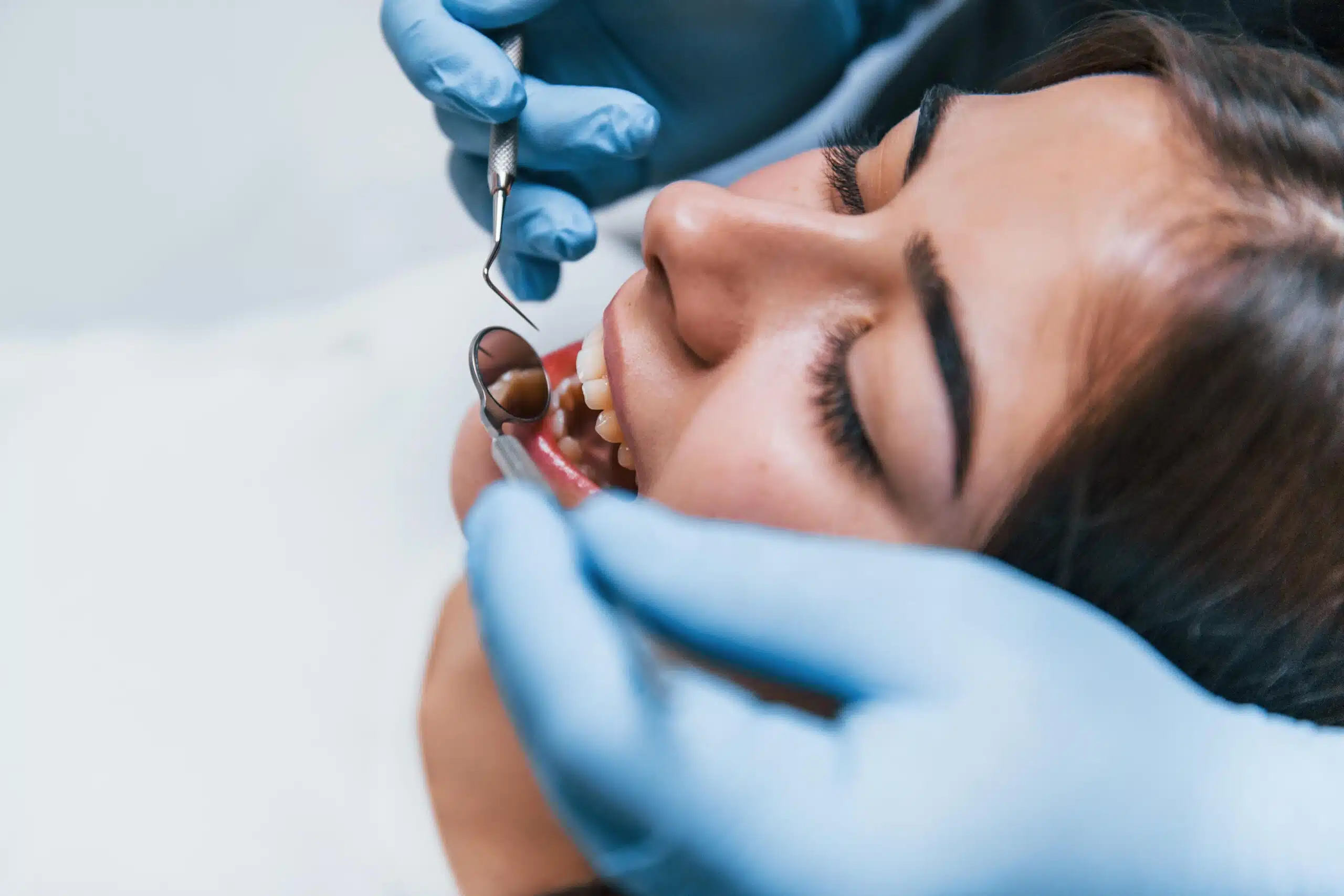
Most of us grew up hearing the same advice from our parents and dentists: see a dentist twice a year, no exceptions. But is that rule still accurate for everyone, or has dental science moved past a one-size-fits-all answer? If you’ve ever typed “dentist near me” into Google while wondering whether you’re overdue for a cleaning, you’re not alone. Many residents search for a trustworthy dentist in Littleton, CO because they simply aren’t sure how often a visit is truly necessary. The honest answer is more nuanced than a calendar reminder, and it depends heavily on your personal oral health, habits, and risk factors.
Quick Answer: Most adults should visit the dentist every six months for a routine checkup and cleaning. However, people with gum disease, a history of cavities, chronic health conditions, or smoking habits may need visits every three to four months, while those with excellent oral health may occasionally extend to once a year, based on their dentist’s recommendation.
Why the “Twice a Year” Rule Became the Standard
The six-month checkup guideline isn’t arbitrary. It originated decades ago as a general benchmark that balances preventive care with practicality. Plaque naturally hardens into tartar within days, and tartar cannot be removed with a toothbrush alone. A professional cleaning every six months helps interrupt that buildup before it progresses into gum inflammation or decay. For the average patient with no major risk factors, this interval remains a sound, research-supported starting point.
That said, dentistry has increasingly shifted toward personalized, risk-based care rather than a rigid, universal timeline. Modern dental teams look at your unique oral health history, genetics, lifestyle, and even your diet before recommending a schedule that actually fits you.
Factors That Determine Your Ideal Dental Visit Frequency
Your Personal Oral Health History
Patients with a track record of cavities, root canals, or early gum disease typically benefit from more frequent monitoring. Catching a small cavity early often means a simple filling instead of a more invasive procedure later.
Gum Disease and Periodontal Risk
Gum disease, or periodontal disease, affects a significant portion of American adults over the course of their lifetime. Once a patient has been diagnosed with gingivitis or periodontitis, dentists often recommend cleanings every three to four months to keep bacterial buildup under control and prevent bone loss around the teeth.
Lifestyle and Habits
Smoking, tobacco use, frequent snacking on sugary or acidic foods, and inconsistent brushing habits all increase the likelihood of decay and gum inflammation. If any of these apply to you, more frequent visits allow your dental team to intervene before small issues become expensive, painful problems.
Chronic Health Conditions
Diabetes, heart disease, and pregnancy are all linked to increased oral health risks. Diabetic patients, for example, are more susceptible to gum infections, and untreated gum disease can, in turn, make blood sugar harder to manage. If you manage a chronic condition, your dentist may recommend a tighter checkup schedule as part of your overall wellness plan.
Age-Related Needs
Children benefit from regular visits to monitor developing teeth and catch early decay, while older adults often face increased risk of dry mouth, root decay, and gum recession, all of which call for closer monitoring.
Warning Signs You Shouldn’t Wait to Address
Regardless of your scheduled interval, certain symptoms mean you should book an appointment right away rather than waiting for your next routine visit. These include:
- Persistent tooth pain or sensitivity to hot and cold
- Bleeding or swollen gums that don’t improve with brushing
- Chronic bad breath despite good hygiene
- Visible chips, cracks, or loose teeth
- Jaw pain, clicking, or difficulty chewing
Ignoring these signs often leads to more complex, costly treatment down the road. A quick visit to a local Littleton dental practice can catch problems while they’re still simple to treat.
The Cost of Skipping Regular Checkups
Preventive dentistry is almost always more affordable than restorative dentistry. A routine cleaning and exam is a fraction of the cost of a root canal, crown, or extraction. Beyond the financial impact, untreated dental issues can affect your ability to eat comfortably, speak clearly, and feel confident in your smile. Research consistently links poor oral health to broader systemic issues, including cardiovascular concerns, making consistent care about more than just your teeth.
How Local Littleton Dentists Personalize Your Schedule
A quality dental provider in Littleton, CO won’t simply hand you a generic six-month reminder card. Instead, an experienced dental team evaluates your gum pocket depths, existing restorations, bite alignment, and overall risk profile at each visit to build a schedule tailored to you. This kind of individualized attention reflects a broader shift in dentistry toward preventive, relationship-based care rather than reactive treatment.
If it’s been longer than a year since your last exam, now is a good time to reconnect with a family dentist near you and get a clear picture of where your oral health currently stands.
Simple Habits That Support Whatever Schedule You’re On
Between visits, a few consistent habits go a long way toward protecting your investment in professional care:
- Brush twice daily with fluoride toothpaste, holding the brush at a slight angle toward the gumline
- Floss once a day to remove plaque between teeth where a toothbrush can’t reach
- Limit sugary snacks and acidic beverages that erode enamel over time
- Stay hydrated to support healthy saliva production, which naturally protects teeth
- Replace your toothbrush every three to four months
These habits won’t replace professional cleanings, but they significantly reduce the workload your dentist faces at each visit, and they help extend the time between necessary interventions.
Finding the Right Rhythm for Your Smile
Ultimately, how often you should visit the dentist comes down to a conversation between you and your provider. A thorough exam, honest discussion about your habits, and a look at your dental history will reveal whether the standard six-month interval fits your needs or whether a more frequent schedule would serve you better. Skipping this conversation, or avoiding the dentist altogether out of uncertainty, tends to cost more in the long run than simply booking the appointment.
FAQ
Q: How often should a healthy adult see the dentist?
A: Most healthy adults with no major risk factors should schedule a checkup and cleaning every six months. This interval allows dentists to catch early decay or gum inflammation before it becomes a bigger issue.
Q: Can I go a full year between dental visits?
A: Some patients with excellent oral hygiene, no cavity history, and low periodontal risk may be advised to extend to annual visits, but this should always be a decision made together with your dentist, not a default assumption.
Q: Why does my dentist want to see me every three months?
A: More frequent visits are usually recommended for patients managing gum disease, since periodontal maintenance cleanings help prevent bacteria from causing further bone or tissue loss.
Q: Do children need to visit the dentist as often as adults?
A: Yes, children generally follow a similar six-month schedule so dentists can monitor developing teeth, catch cavities early, and guide healthy habits from a young age.
Q: What happens if I skip regular dental visits for years?
A: Skipping regular care often allows small issues like minor decay or early gum disease to progress into more painful, expensive problems such as infections, abscesses, or tooth loss.
Q: How do I find a reliable dentist near me in Littleton, CO?
A: Look for a practice with experienced providers, transparent reviews, and a focus on personalized preventive care, like a trusted local family dentistry office in Littleton.