
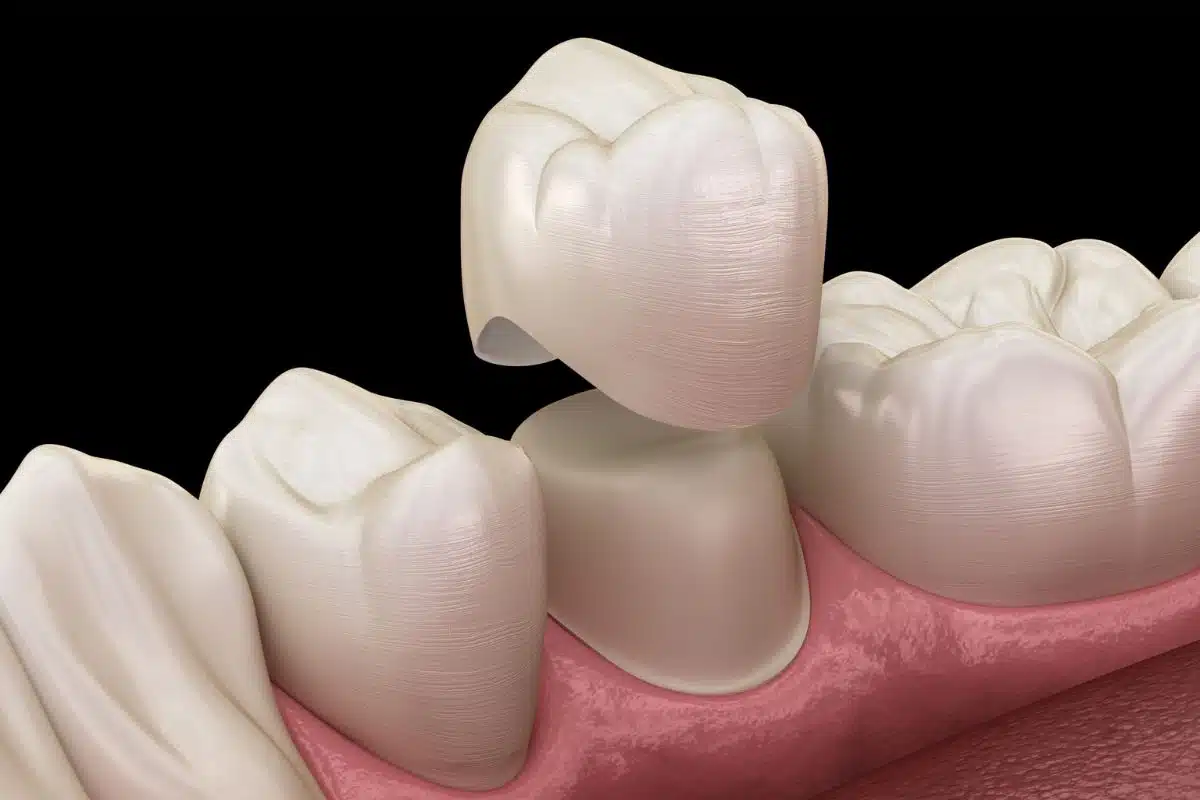
If you have been informed that a dental crown is necessary, you are likely contemplating how it may impact your bite. Oral health plays a key role in this city, where active lifestyles and family-focused routines are the norm. Let’s explore how dental crowns influence how you chew, speak, and feel. Learn what to expect during the adjustment phase from a cosmetic dentist.
The Role of Dental Crowns in Bite and Chewing
A dental crown acts like a shield for a damaged or weakened tooth, giving it a new lease on life. It helps restore the tooth’s shape, strength, and how well it works—especially important if that tooth is your go-to for chewing. In communities like ours, where folks love trail hikes and catching up over coffee, being able to chew and talk comfortably makes all the difference.
The Impact of Dental Crowns on Your Bite
Tooth are meant to restore your natural bite—and in many cases, they succeed. But when a crown is placed too high or becomes misaligned, it can disrupt how your upper and lower teeth come together. That’s why it’s crucial to visit an experienced cosmetic dentist in Littleton for accurate crown placement. Without proper adjustment, a crown may result in the following issues:
- Tooth sensitivity or discomfort when biting down
- Jaw soreness or muscle fatigue
- Clicking or popping sounds in the jaw
- Uneven wear on surrounding teeth
Recognizing Signs of a Misaligned Bite After a Crown
You may notice certain symptoms if your bite feels off following a crown placement. These can include:
- Uneven contact between your teeth when you close your mouth
- Pressure or pain when chewing
- Increased clenching or grinding
- A sense that one side of your mouth is doing more work
- If you’re experiencing any of these signs, contact your dentist for a bite evaluation.
Benefits of Crowns for Bite and Chewing
Restores damaged teeth: Crowns protect weak teeth from further wear.
Distributes bite force evenly: Helps prevent damage to surrounding teeth.
Improves chewing function: Allows you to enjoy a normal diet again.
Reduces pain: Stabilizes the tooth, reducing nerve sensitivity.
Prevents misalignment: Keeps surrounding teeth from shifting into gaps.
How Dental Crowns Improve Your Oral Health?
A properly placed crown doesn’t just fix a tooth—it can also:
- Improve bite balance
- Protect against cavities in restored areas
- Support jaw alignment
- Make cleaning easier by closing uneven gaps
Adjusting to a New Crown: What to Expect
It usually takes a few days to a week for your bite to adjust after getting a crown. During this period, try to:
- Avoid hard or sticky foods
- Chew on the opposite side if needed
- Allow your tongue and jaw muscles to adapt to the new shape
If discomfort persists for more than a week, it’s a good idea to visit your cosmetic dentist to ensure the crown fits as it should.
Aftercare Tips for Your New Crown
Brush and floss daily: Clean around the crown like your natural teeth.
Avoid chewing hard items: Ice, pens, and hard candy can crack the crown.
Use a night guard if needed: Especially if you grind your teeth.
Schedule regular checkups: Your dentist will monitor your bite and crown integrity.
The Long-Term Impact of Crowns on Quality of Life
Living with a stable bite means:
- Less jaw discomfort
- Better digestion from proper chewing
- Clearer speech
- A confident, attractive smile
Many locals report feeling a big difference after receiving crowns—from enjoying steak dinners to speaking more clearly at community events.
Schedule Your Crown Consultation with Confidence
Dental crowns aren’t just functional, they’re transformative. Crowns improve your bite and confidence, whether you have discomfort, a chipped tooth, or want a better smile. At Red Rocks Family Dentistry, our experienced team blends expert services with a personalized approach. If you’re considering cosmetic dentistry in Littleton, we’re here to guide you every step of the way. Visit our dental office today and let your smile function and shine like never before.