
Sleep apnea is a common yet often undiagnosed condition that affects millions of people worldwide. It’s a serious disorder where breathing repeatedly stops and starts during sleep. This can lead to numerous health problems if left untreated. Recognizing the key symptoms of sleep apnea is crucial for seeking timely treatment and improving your overall quality of life.
What is Sleep Apnea?
Sleep apnea occurs when the muscles in the back of your throat relax too much to allow normal breathing. This can cause repeated episodes of partial or complete blockage of your airway during sleep. There are three main types of sleep apnea:
- Obstructive Sleep Apnea (OSA): The most common form, occurring when throat muscles intermittently relax and block the airway.
- Central Sleep Apnea (CSA): Occurs when your brain doesn’t send proper signals to the muscles that control breathing.
- Complex Sleep Apnea Syndrome: Also known as treatment-emergent central sleep apnea, occurs when someone has both OSA and CSA.
Key Symptoms of Sleep Apnea
Identifying the symptoms of sleep apnea is the first step towards getting the treatment you need. Here are some of the key symptoms to watch for:
1. Loud Snoring
One of the most common symptoms of sleep apnea is loud snoring. This occurs because the airflow becomes obstructed, causing the tissues in the throat to vibrate. While not everyone who snores has sleep apnea, frequent and loud snoring is a significant indicator.
2. Episodes of Breathing Cessation During Sleep
If someone notices that you stop breathing during sleep, this is a critical sign of sleep apnea. These episodes of breathing cessation can last from a few seconds to a minute and can occur multiple times per hour.
3. Gasping or Choking During Sleep
Waking up suddenly with a sensation of choking or gasping for air is another telltale sign of sleep apnea. This happens when the airway becomes blocked, and the body reacts to restore normal breathing.
4. Excessive Daytime Sleepiness
Feeling excessively sleepy during the day, even after a full night’s sleep, is a common symptom. This is due to the disrupted sleep patterns caused by repeated awakenings to resume breathing.
5. Morning Headaches
Frequent morning headaches are a lesser-known symptom of sleep apnea. They result from the lack of oxygen reaching the brain during the night and the poor quality of sleep.
6. Difficulty Concentrating and Memory Problems
Sleep apnea can affect cognitive functions, leading to problems with concentration, memory, and decision-making. This is due to the fragmented sleep and lack of restorative rest.
7. Mood Changes and Irritability
The chronic sleep deprivation associated with sleep apnea can lead to mood swings, irritability, and even depression. Quality sleep is crucial for emotional regulation and overall mental health.
When to See a Doctor
If you or someone you know is experiencing any of these symptoms, it’s essential to consult a healthcare professional. An early diagnosis can help prevent complications and improve the quality of life. A dentist in Littleton can also play a crucial role in identifying sleep apnea symptoms and referring you to a specialist.
Diagnosing Sleep Apnea
To diagnose sleep apnea, a doctor may conduct a sleep study, either at home or in a sleep lab. During the study, your breathing patterns, oxygen levels, and other vital signs are monitored. The results will help determine the severity of your condition and the appropriate treatment.
Treatment Options
Treating sleep apnea can significantly improve your health and quality of life. Here are some common treatment options:
1. Continuous Positive Airway Pressure (CPAP) Therapy
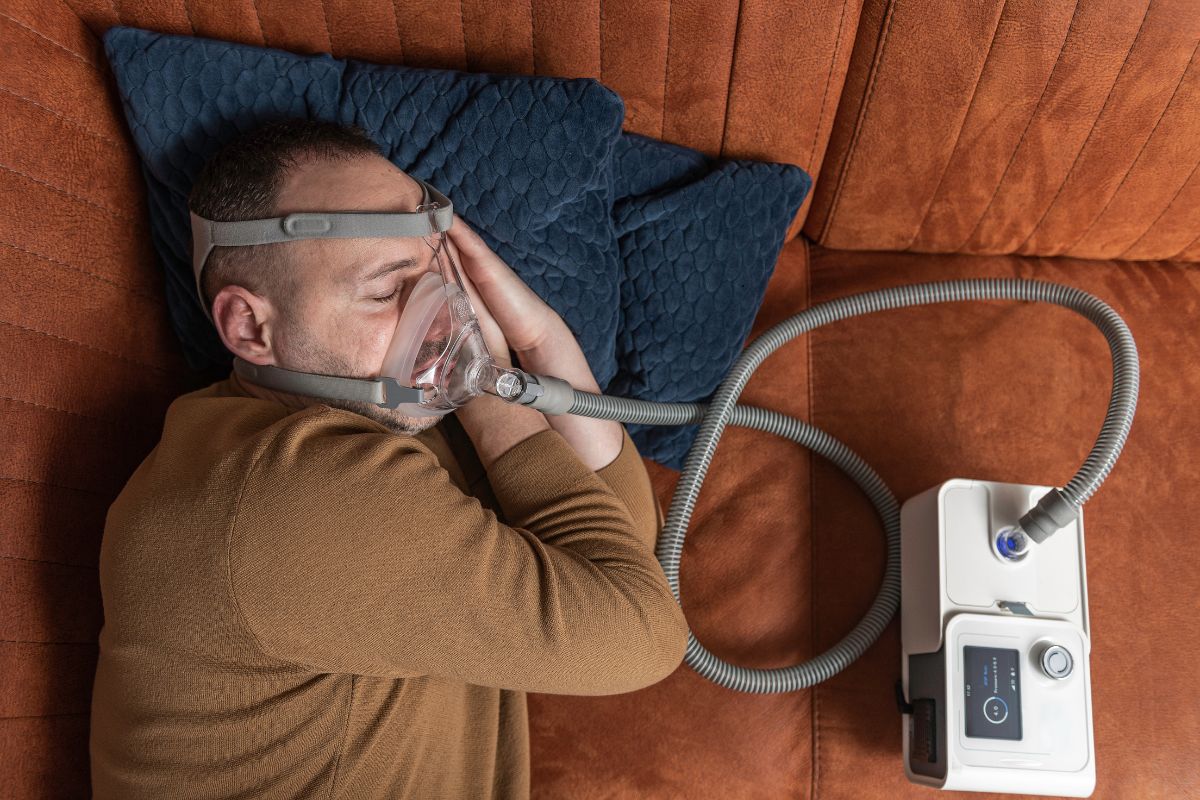
CPAP therapy is the most common and effective treatment for obstructive sleep apnea. It involves wearing a mask over your nose or mouth while you sleep, which provides a continuous stream of air to keep your airway open.
2. Oral Appliances
For those who cannot tolerate CPAP therapy, oral appliances can be an effective alternative. These devices are custom-made by a dentist and help keep the airway open by repositioning the jaw and tongue.
3. Lifestyle Changes
Lifestyle changes can also help manage sleep apnea symptoms. These include losing weight, avoiding alcohol and smoking, and sleeping on your side instead of your back.
4. Surgery
In severe cases, surgery may be necessary to remove or reduce the tissue blocking the airway. Procedures can include removing the tonsils, repositioning the jaw, or implanting devices that stimulate the airway muscles.
Preventing Sleep Apnea
While some risk factors for sleep apnea, such as age and genetics, cannot be controlled, there are steps you can take to reduce your risk:
- Maintain a Healthy Weight: Obesity is a significant risk factor for sleep apnea. Losing weight can reduce the amount of tissue in the throat that may be causing the airway to collapse.
- Exercise Regularly: Regular exercise can help you maintain a healthy weight and improve your overall respiratory health.
- Avoid Alcohol and Smoking: Both alcohol and smoking can increase the risk of airway obstruction. Avoiding these can help prevent sleep apnea.
- Sleep on Your Side: Sleeping on your back can cause your tongue and soft tissues to block your airway. Sleeping on your side can help keep your airway open.
Conclusion
Sleep apnea is a serious condition that requires attention and treatment. Recognizing the key symptoms and seeking medical advice can lead to effective management and a better quality of life. If you suspect you might have sleep apnea, consult with a healthcare provider or a dentist who can help guide you to the appropriate treatment.
At Red Rocks Family Dentistry, we are committed to helping our patients achieve optimal oral and overall health. Our team can assist you in identifying symptoms of sleep apnea and provide referrals to specialists for further diagnosis and treatment. Schedule an appointment with us today to ensure you’re on the path to better health.