
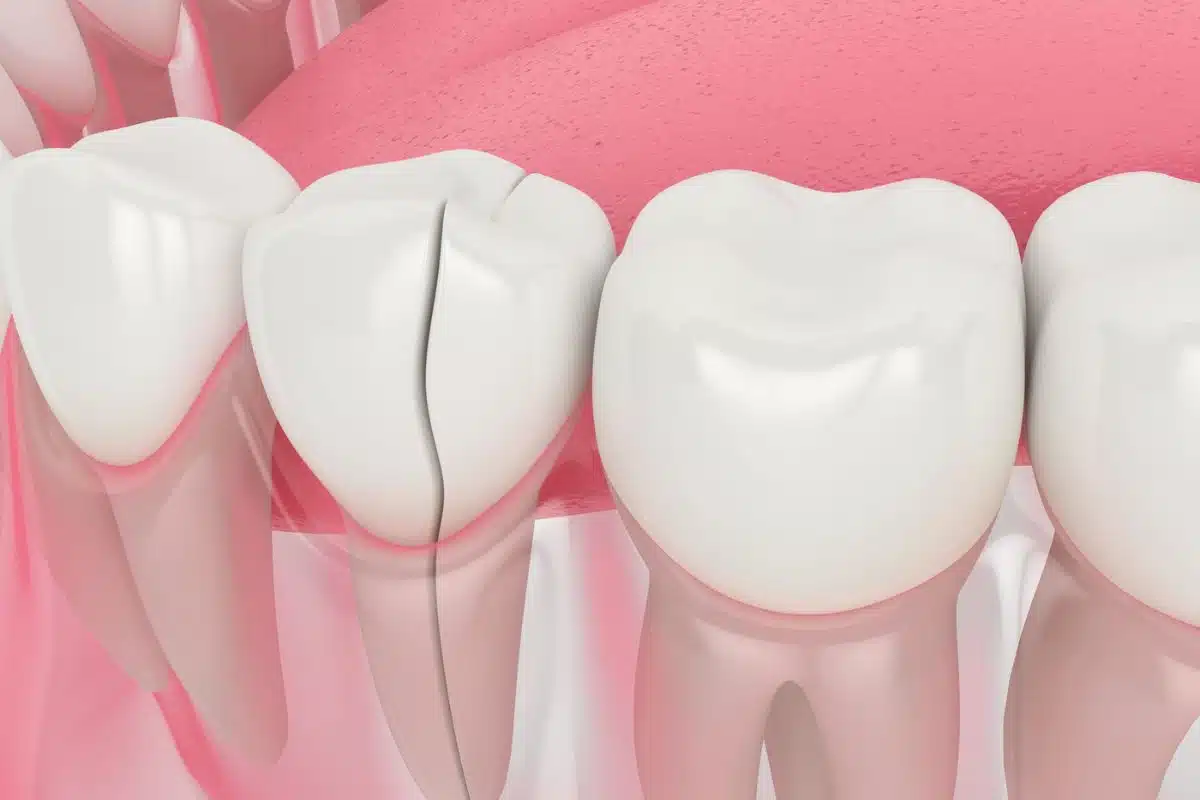
Cracked Tooth Repair: How Long Does the Treatment Take?

February 13, 2025
Featured image for “Cracked Tooth Repair: How Long Does the Treatment Take?”

Share:

A cracked tooth can cause discomfort, sensitivity, and even serious dental problems if left untreated. If you have a cracked tooth, you may be wondering how long the repair process will take. The answer depends on several factors, including the severity of the crack and the type of treatment needed. In this blog, we will discuss the different treatment options and their timelines so you know what to expect.

Understanding Cracked Teeth and Their Severity

Not all cracks in teeth are the same. Some may be minor and require minimal treatment, while others can be more severe and need extensive dental care. The main types of cracks include:

  • Craze Lines: Tiny cracks in the enamel that are mostly cosmetic and do not require treatment.
  • Fractured Cusp: A break in a small part of the tooth that may need a dental crown.
  • Cracked Tooth: A deeper crack that extends toward the root, which may require a crown or root canal.
  • Split Tooth: A severe crack that splits the tooth into two parts, often requiring extraction.
  • Vertical Root Fracture: A crack that starts at the root and moves upward, usually needing extraction.

The time required for treatment depends on the type of crack and the procedure needed for repair.

Treatment Options and Their Timelines

1. Dental Bonding (One Visit)

For minor cracks, dental bonding is a quick and effective solution. The dentist will apply a tooth-colored resin to the affected area and harden it using a special light. The entire procedure usually takes about 30 to 60 minutes and can be completed in a single visit.

2. Dental Crown (Two Visits)

If the crack is more significant and affects a larger portion of the tooth, a dental crown may be necessary. The process involves:

  • First visit: The dentist reshapes the tooth and takes impressions to create a custom crown.
  • Second visit: The crown is placed and cemented onto the tooth.

The entire process takes about two to three weeks, as the crown is custom-made in a dental lab. Some dentists offer same-day crowns using advanced technology, reducing the treatment time to a single visit.

3. Root Canal Therapy (Two to Three Visits)

When a crack extends into the pulp of the tooth, a root canal may be needed to remove the damaged tissue and prevent infection. The process includes:

  • First visit: Cleaning and shaping the root canals, then placing temporary filling material.
  • Second visit: Sealing the canals and placing a permanent filling.
  • Third visit (if necessary): Placing a crown for additional protection.

The entire process can take one to two weeks, depending on the dentist’s approach and the severity of the damage.

4. Tooth Extraction and Dental Implant (Several Months)

If the crack is too severe for repair, the tooth may need to be extracted. In this case, a dental implant may be recommended as a replacement. The timeline for this process includes:

  • Tooth extraction: Healing time of one to two weeks.
  • Implant placement: Requires three to six months for the implant to integrate with the jawbone.
  • Crown placement: Once the implant is stable, a custom crown is placed.

The total time for a dental implant can range from four to six months, depending on healing and individual cases.

Factors That Affect Treatment Time

Several factors can influence how long your cracked tooth repair will take, including:

  • Severity of the Crack: Minor cracks heal faster than deeper ones.
  • Type of Treatment Needed: Bonding takes less time than a root canal or implant.
  • Healing Time: Your body’s natural healing process affects recovery.
  • Dentist’s Approach: Some dental offices offer advanced technology that speeds up treatment.

How to Speed Up Recovery

While you can’t always control how long treatment takes, you can take steps to promote faster healing:

  • Follow your dentist’s instructions carefully.
  • Maintain good oral hygiene to prevent infection.
  • Avoid chewing hard foods that could worsen the crack.
  • Attend follow-up appointments as recommended.

When to See a Dentist

If you suspect you have a cracked tooth, it’s important to seek treatment as soon as possible. Delaying care can lead to further complications, including infection or tooth loss. A Dentist can assess the damage and recommend the best treatment plan for your needs.

Conclusion

The time required to repair a cracked tooth varies based on the severity of the crack and the treatment method used. While minor cracks can be fixed in a single visit, more severe cases may require multiple appointments over several weeks or even months. If you are experiencing pain or sensitivity due to a cracked tooth, don’t wait—schedule an appointment with a trusted dental professional to restore your smile as soon as possible.

Cracked Tooth Repair: How Long Does the Treatment Take?

February 13, 2025

A cracked tooth can cause discomfort, sensitivity, and even serious dental problems if left untreated. If you have a cracked tooth, you may be wondering how long the repair process will take. The answer depends on several factors, including the severity of the crack and the type of treatment needed. In this blog, we will discuss the different treatment options and their timelines so you know what to expect.

Understanding Cracked Teeth and Their Severity

Not all cracks in teeth are the same. Some may be minor and require minimal treatment, while others can be more severe and need extensive dental care. The main types of cracks include:

  • Craze Lines: Tiny cracks in the enamel that are mostly cosmetic and do not require treatment.
  • Fractured Cusp: A break in a small part of the tooth that may need a dental crown.
  • Cracked Tooth: A deeper crack that extends toward the root, which may require a crown or root canal.
  • Split Tooth: A severe crack that splits the tooth into two parts, often requiring extraction.
  • Vertical Root Fracture: A crack that starts at the root and moves upward, usually needing extraction.

The time required for treatment depends on the type of crack and the procedure needed for repair.

Treatment Options and Their Timelines

1. Dental Bonding (One Visit)

For minor cracks, dental bonding is a quick and effective solution. The dentist will apply a tooth-colored resin to the affected area and harden it using a special light. The entire procedure usually takes about 30 to 60 minutes and can be completed in a single visit.

2. Dental Crown (Two Visits)

If the crack is more significant and affects a larger portion of the tooth, a dental crown may be necessary. The process involves:

  • First visit: The dentist reshapes the tooth and takes impressions to create a custom crown.
  • Second visit: The crown is placed and cemented onto the tooth.

The entire process takes about two to three weeks, as the crown is custom-made in a dental lab. Some dentists offer same-day crowns using advanced technology, reducing the treatment time to a single visit.

3. Root Canal Therapy (Two to Three Visits)

When a crack extends into the pulp of the tooth, a root canal may be needed to remove the damaged tissue and prevent infection. The process includes:

  • First visit: Cleaning and shaping the root canals, then placing temporary filling material.
  • Second visit: Sealing the canals and placing a permanent filling.
  • Third visit (if necessary): Placing a crown for additional protection.

The entire process can take one to two weeks, depending on the dentist’s approach and the severity of the damage.

4. Tooth Extraction and Dental Implant (Several Months)

If the crack is too severe for repair, the tooth may need to be extracted. In this case, a dental implant may be recommended as a replacement. The timeline for this process includes:

  • Tooth extraction: Healing time of one to two weeks.
  • Implant placement: Requires three to six months for the implant to integrate with the jawbone.
  • Crown placement: Once the implant is stable, a custom crown is placed.

The total time for a dental implant can range from four to six months, depending on healing and individual cases.

Factors That Affect Treatment Time

Several factors can influence how long your cracked tooth repair will take, including:

  • Severity of the Crack: Minor cracks heal faster than deeper ones.
  • Type of Treatment Needed: Bonding takes less time than a root canal or implant.
  • Healing Time: Your body’s natural healing process affects recovery.
  • Dentist’s Approach: Some dental offices offer advanced technology that speeds up treatment.

How to Speed Up Recovery

While you can’t always control how long treatment takes, you can take steps to promote faster healing:

  • Follow your dentist’s instructions carefully.
  • Maintain good oral hygiene to prevent infection.
  • Avoid chewing hard foods that could worsen the crack.
  • Attend follow-up appointments as recommended.

When to See a Dentist

If you suspect you have a cracked tooth, it’s important to seek treatment as soon as possible. Delaying care can lead to further complications, including infection or tooth loss. A Dentist can assess the damage and recommend the best treatment plan for your needs.

Conclusion

The time required to repair a cracked tooth varies based on the severity of the crack and the treatment method used. While minor cracks can be fixed in a single visit, more severe cases may require multiple appointments over several weeks or even months. If you are experiencing pain or sensitivity due to a cracked tooth, don’t wait—schedule an appointment with a trusted dental professional to restore your smile as soon as possible.


Share: