
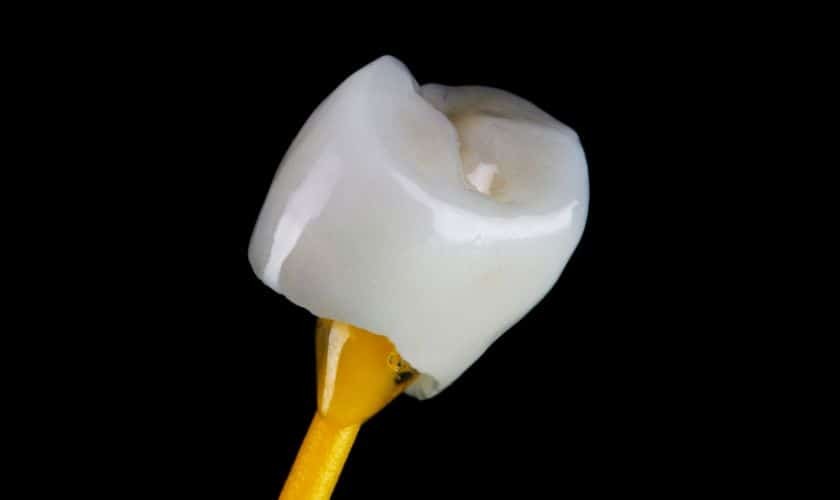
Dental crowns, also known as caps, play a crucial role in restorative dentistry, yet misconceptions about them abound. These myths can create unnecessary concerns and deter individuals from seeking the dental care they need.
In this post, we debunk common myths surrounding dental crowns to provide clarity and dispel misconceptions.
Myth 1: Dental Crowns are Only for Older Adults
Debunked: Dental crowns are not exclusive to older adults. People of all ages may require crowns for various reasons, such as tooth decay, fractures, or cosmetic enhancements. The need for a crown depends on the individual’s oral health, not their age.
Myth 2: Dental Crowns Cause Pain and Discomfort
Debunked: The dental crown procedure is typically performed under local anesthesia, ensuring that the patient feels little to no pain during the process. After the procedure, any discomfort is usually mild and temporary. Advances in dental techniques and technology have significantly minimized post-procedural discomfort.
Myth 3: Dental Crowns Look Unnatural
Debunked: Modern dental crowns are designed to closely mimic the appearance of natural teeth. Dentists carefully choose materials and customize the shape and color to ensure a seamless blend with the surrounding teeth. Porcelain and ceramic crowns, in particular, provide a natural and aesthetically pleasing result.
Myth 4: Dental Crowns Are Only for Cosmetic Purposes
Debunked: While dental crowns can certainly enhance the appearance of a smile, their primary function is to restore and protect damaged teeth. Crowns are commonly used to address structural issues, such as large cavities, fractures, or teeth weakened by root canal treatment.
Myth 5: Dental Crowns Are Permanent and Can’t Be Removed
Debunked: Dental crowns are designed to be permanent, providing long-term solutions for various dental issues. However, they can be replaced or removed by a dentist if necessary. The decision to remove a crown is typically made for reasons such as decay beneath the crown or the desire to replace it for cosmetic reasons.
Myth 6: Dental Crowns Cause Tooth Sensitivity
Debunked: While it’s normal to experience some sensitivity after getting a dental crown, especially to hot or cold stimuli, this discomfort is usually temporary. The sensitivity typically resolves as the tooth adjusts to the new crown. If persistent, it’s essential to consult with the dentist for further evaluation.
Myth 7: Dental Crowns Last Forever
Debunked: While dental crowns are durable and can last for many years, they are not indestructible. Their longevity depends on factors such as oral hygiene practices, regular dental check-ups, and lifestyle habits. Over time, crowns may require replacement or maintenance.
Conclusion:
Dispelling myths about dental crowns is crucial for promoting accurate information and encouraging individuals to make informed decisions about their oral health. If you’re considering dental crowns or have concerns, consult with a qualified dentist who can provide personalized information and address any specific questions or fears you may have. Understanding the truth about dental crowns ensures that individuals can confidently embrace this effective and common dental solution for a healthier, more radiant smile.