
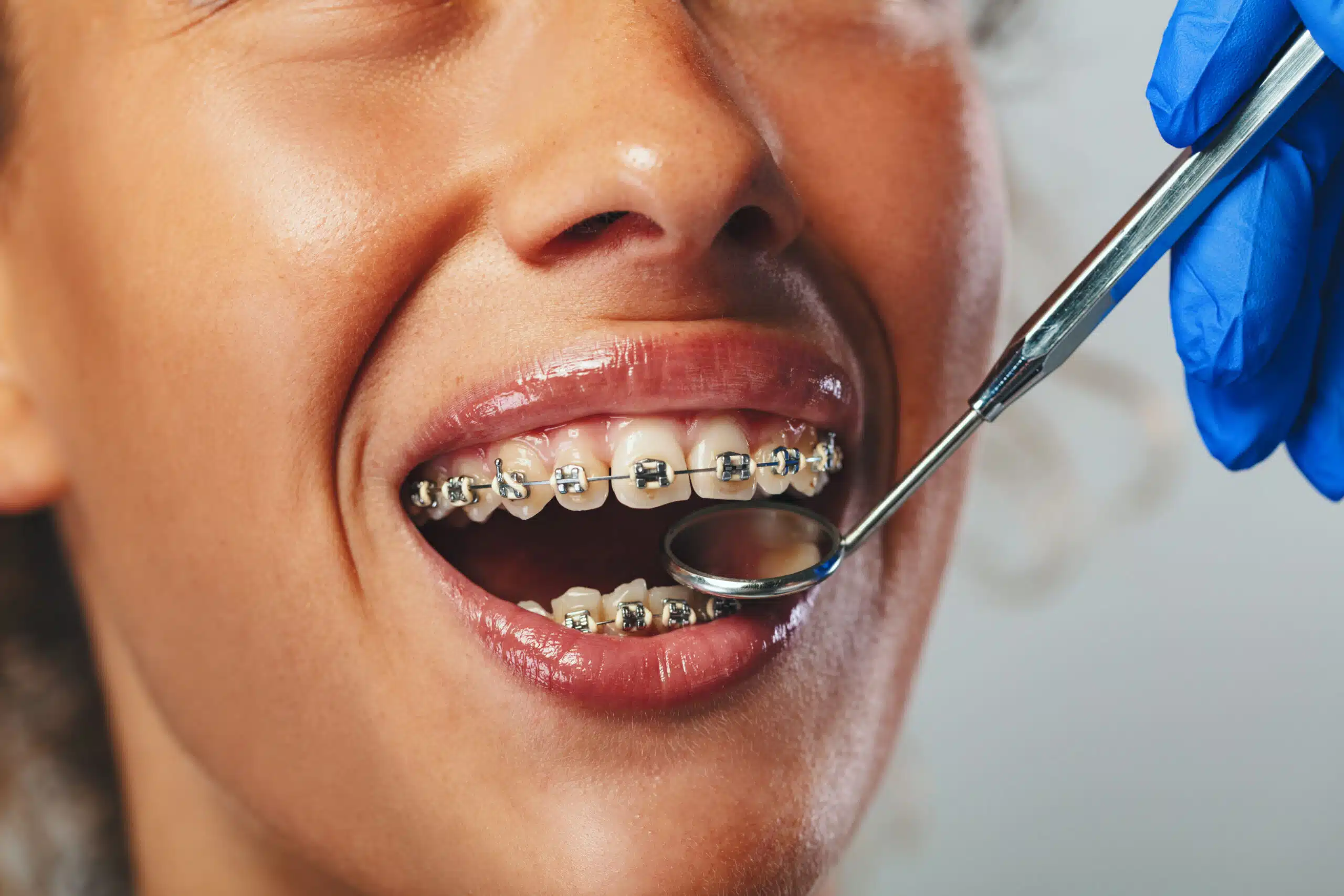
It’s something we hear often during orthodontic visits—someone forgot to wear their rubber bands over the weekend, or a favorite crunchy snack caused a loose bracket. Teens juggling school and activities may struggle to keep up with routines, and adults balancing work and family life sometimes miss small but important steps in their care.
These situations are more common than you might think. The good news is that most braces-related issues are preventable with the right habits and awareness. If you’re working with an orthodontist in Littleton, understanding what to avoid can make your treatment smoother, more comfortable, and more predictable.
Why Proper Braces Care Matters
Orthodontic treatment is a gradual process that relies on consistent, gentle pressure to move teeth into better alignment. Small daily habits play a big role in how well that process works.
When instructions are followed closely—whether it’s wearing elastics or maintaining good oral hygiene—treatment tends to stay on track. On the other hand, repeated disruptions can slow progress or lead to unexpected adjustments.
For families in the Littleton area, especially those managing school schedules and busy routines, staying consistent with braces care helps avoid unnecessary delays and keeps everything moving forward as planned.
Common Braces Mistakes Patients Make
Even with the best intentions, certain habits can interfere with orthodontic progress. Some of the most common include:
- Skipping rubber bands
Elastics are essential for correcting bite alignment. Not wearing them as directed can delay results. - Eating restricted foods
Hard, sticky, or chewy foods—like popcorn, caramel, or ice—can damage brackets and wires. - Inconsistent brushing and flossing
Braces create more areas where plaque can build up, making daily hygiene especially important. - Missing scheduled appointments
Regular adjustments help guide tooth movement. Skipping visits can interrupt that process. - Touching or adjusting braces at home
It may be tempting to “fix” something that feels off, but this can lead to further issues.
How These Mistakes Can Affect Your Treatment
When these habits happen occasionally, they can often be corrected without major impact. However, repeated issues may lead to:
- Longer treatment time
Missed steps or broken appliances can slow progress. - Broken brackets or wires
Damage may require extra visits and repairs. - Discomfort or irritation
Improper care can cause soreness or soft tissue irritation. - Less predictable results
Consistency is key to achieving the intended outcome.
Orthodontic care is designed to be efficient, but it depends on teamwork between the patient and provider.
Simple Ways to Avoid Braces Problems
The good news is that preventing these issues doesn’t require complicated changes—just a few consistent habits:
- Stick to a braces-friendly diet
Choose softer foods and avoid anything that could damage your appliances. - Brush and floss thoroughly every day
Pay close attention around brackets and along the gumline. - Wear rubber bands exactly as instructed
Even small gaps in use can affect progress. - Keep up with scheduled visits
These appointments help ensure everything is moving correctly. - Ask questions when something feels off
It’s always better to check than to guess.
These small steps can make a noticeable difference over time.
Special Considerations for Teens and Kids
For younger patients, braces care often requires a team effort. Teens may be adjusting to new routines, while younger children may need reminders and support.
Parents can help by:
- Encouraging consistent brushing habits
- Helping plan braces-friendly meals and snacks
- Keeping track of appointments
- Checking in on rubber band use
With school, sports, and social activities, it’s easy for routines to slip. Creating simple daily habits can help keep treatment on track without adding stress.
How Orthodontists Help Keep Your Treatment on Track
Orthodontic care is carefully planned and monitored throughout the entire process. During visits, your orthodontist will:
- Track tooth movement and progress
- Adjust wires, bands, or appliances as needed
- Provide guidance tailored to your situation
- Address small issues before they become bigger concerns
This ongoing support helps ensure that treatment stays aligned with your goals while minimizing potential setbacks.
Staying Consistent with Your Braces Care
Orthodontic treatment works best when there’s open communication and a shared understanding of what to expect. If you ever have questions about your routine, food choices, or something that doesn’t feel right, it’s always okay to ask.
If you’re in Littleton or nearby communities like Denver and want guidance tailored to your situation, you can visit our Littleton dental office to talk through your concerns and stay on track with your care.
FAQs
1. What happens if I break a bracket?
A broken bracket can affect how your teeth move. It’s best to contact your orthodontic office so they can guide you on next steps or schedule a repair if needed.
2. Can braces treatment be delayed?
Yes, missed appointments, inconsistent habits, or appliance damage can extend treatment time. Staying consistent helps avoid delays.
3. Are certain foods always off-limits?
While you don’t have to give up everything, it’s important to avoid hard, sticky, or chewy foods that could damage your braces.
4. How often should I brush with braces?
Brushing after every meal and flossing daily is recommended to keep your teeth and gums healthy during treatment.
5. What if I forget to wear rubber bands?
Occasional forgetfulness happens, but repeated gaps can slow progress. Try to get back on schedule as soon as possible and follow your orthodontist’s instructions.