
Can You Skip Getting a Dental Crown? Risks and Alternatives

November 14, 2025
Featured image for “Can You Skip Getting a Dental Crown? Risks and Alternatives”

Share:

When your dentist recommends a dental crown, it’s usually not a casual suggestion. A crown protects and restores a tooth that’s been damaged, weakened, or treated for decay. But what if you’re tempted to skip it—maybe to save time, money, or discomfort? Before making that decision, it’s worth understanding what skipping a crown really means for your oral health.

At Red Rocks Family Dentistry in Littleton, CO, our experienced team often hears patients ask, “Do I really need this crown?” The short answer: sometimes yes, sometimes no—but it depends on your tooth’s condition and the alternatives available.

1. Why Dental Crowns Are Recommended

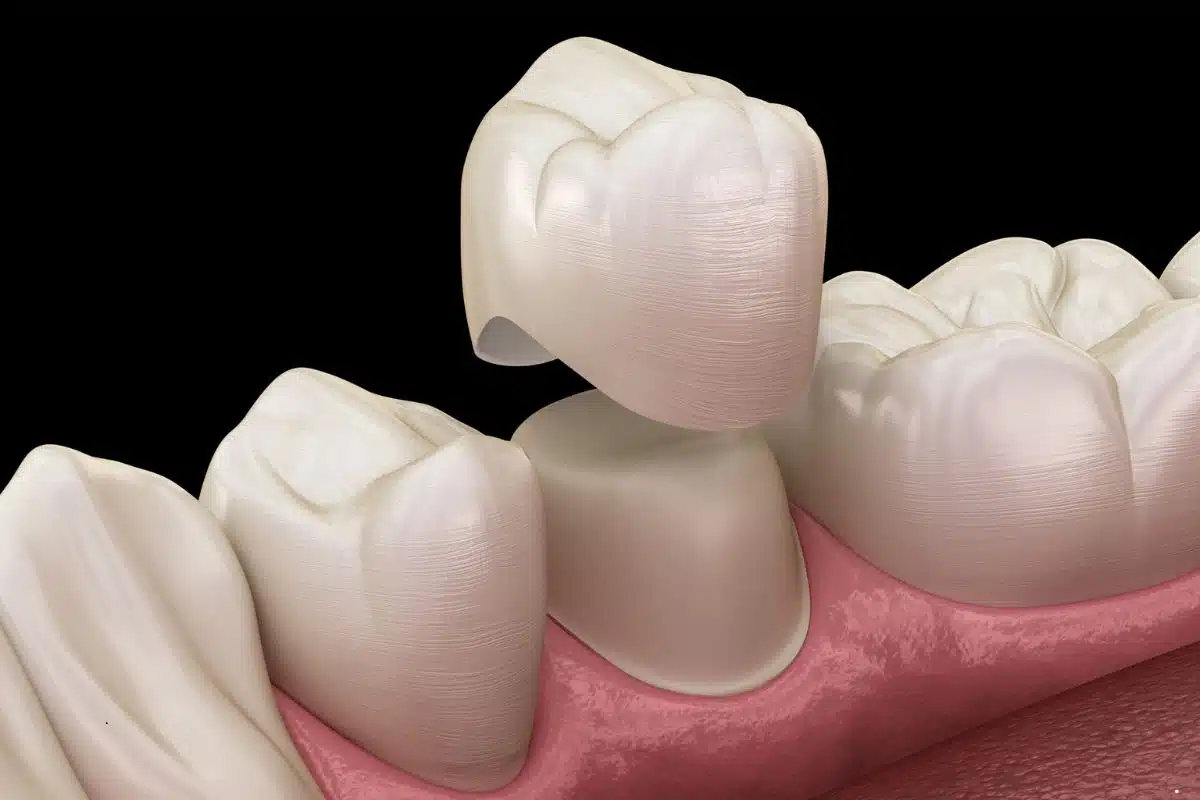
A dental crown acts as a protective shell that covers a tooth to restore its shape, size, and strength. It’s commonly recommended when:

  • A large cavity weakens the tooth.
  • You’ve had a root canal, and the tooth structure is fragile.
  • A filling isn’t enough to restore the tooth’s stability.
  • There’s significant wear, fracture, or cosmetic damage.

Without proper reinforcement, a damaged tooth can continue to deteriorate, leading to pain, infection, or even tooth loss. A cosmetic dentist may also recommend a crown to improve the tooth’s appearance, ensuring it blends seamlessly with your smile.

2. Risks of Skipping a Dental Crown

It might seem harmless to delay or avoid a crown, especially if the tooth isn’t causing pain. But ignoring a compromised tooth can lead to more serious dental problems down the line.

Here are the main risks:

  • Tooth Fracture: A weakened tooth without a crown is more likely to crack or break. Once that happens, it may not be repairable and could require extraction.
  • Decay and Infection: When a damaged tooth isn’t sealed properly, bacteria can enter and cause decay or an abscess.
  • Pain and Sensitivity: Exposed tooth structures are sensitive to hot, cold, and pressure, often leading to ongoing discomfort.
  • Costlier Treatments Later: Skipping a crown today may mean paying for a root canal, extraction, or implant later—procedures that are typically more expensive.

In short, skipping a crown is a gamble that can compromise both your comfort and your long-term oral health.

3. When You Might Not Need a Crown

There are a few situations where a crown might not be necessary. If your tooth only has a small cavity, for example, a filling or inlay could be sufficient.

A cosmetic dentist in Littleton will usually assess:

  • How much healthy tooth structure remains.
  • The tooth’s position and role in your bite.
  • Whether aesthetics are a concern.

In these cases, less invasive treatments may be an option—but only after a thorough dental evaluation.

4. Safe and Effective Alternatives to Crowns

If you’re not ready for a crown, there are a few alternatives your dentist might discuss. Each option depends on the condition of your tooth and your overall dental goals.

a. Dental Onlays or Inlays

These are partial restorations that fit into or onto the tooth, offering strength and coverage without the need for a full crown.

b. Large Composite Fillings

If the damage is minimal, a strong tooth-colored filling can restore function and aesthetics. However, this may not provide the same level of protection as a crown.

c. Veneers

For front teeth with minor chips or cosmetic issues, veneers can improve appearance without covering the entire tooth. This is a common solution in cosmetic dentistry in Littleton for patients focused on improving their smile’s look rather than repairing severe damage.

d. Dental Bonding

Bonding involves applying a tooth-colored resin to fix small cracks or chips. It’s affordable and quick but not suitable for heavily damaged teeth.

Each alternative has its pros and cons, and the right choice depends on your specific needs and how much of your tooth remains intact.

5. How to Decide What’s Best for You

When you’re unsure whether to get a crown, the best step is to consult a cosmetic dentist Littleton patients trust. Your dentist will take digital X-rays, examine the tooth’s strength, and evaluate your bite before making a recommendation.

Ask questions like:

  • What are my risks if I delay treatment?
  • Are there less invasive alternatives for my situation?
  • How long will each option last?

A clear conversation with your dental team can help you balance long-term protection with your budget and comfort.

Conclusion

While skipping a dental crown might seem like a minor decision, it can have lasting effects on your oral health. Crowns are designed to prevent further damage and protect your teeth for years to come. In some cases, alternatives like onlays, veneers, or bonding may be appropriate—but only after a professional evaluation.

Your smile is one of your most valuable assets. Choosing the right treatment today can save you from more complex and costly procedures tomorrow.

If you’re unsure whether you truly need a crown, schedule a consultation with Red Rocks Family Dentistry in Littleton, CO. Our experienced team will evaluate your tooth and help you understand the safest, most effective options for your smile—whether it’s a crown or a conservative alternative.

Can You Skip Getting a Dental Crown? Risks and Alternatives

November 14, 2025

When your dentist recommends a dental crown, it’s usually not a casual suggestion. A crown protects and restores a tooth that’s been damaged, weakened, or treated for decay. But what if you’re tempted to skip it—maybe to save time, money, or discomfort? Before making that decision, it’s worth understanding what skipping a crown really means for your oral health.

At Red Rocks Family Dentistry in Littleton, CO, our experienced team often hears patients ask, “Do I really need this crown?” The short answer: sometimes yes, sometimes no—but it depends on your tooth’s condition and the alternatives available.

1. Why Dental Crowns Are Recommended

A dental crown acts as a protective shell that covers a tooth to restore its shape, size, and strength. It’s commonly recommended when:

  • A large cavity weakens the tooth.
  • You’ve had a root canal, and the tooth structure is fragile.
  • A filling isn’t enough to restore the tooth’s stability.
  • There’s significant wear, fracture, or cosmetic damage.

Without proper reinforcement, a damaged tooth can continue to deteriorate, leading to pain, infection, or even tooth loss. A cosmetic dentist may also recommend a crown to improve the tooth’s appearance, ensuring it blends seamlessly with your smile.

2. Risks of Skipping a Dental Crown

It might seem harmless to delay or avoid a crown, especially if the tooth isn’t causing pain. But ignoring a compromised tooth can lead to more serious dental problems down the line.

Here are the main risks:

  • Tooth Fracture: A weakened tooth without a crown is more likely to crack or break. Once that happens, it may not be repairable and could require extraction.
  • Decay and Infection: When a damaged tooth isn’t sealed properly, bacteria can enter and cause decay or an abscess.
  • Pain and Sensitivity: Exposed tooth structures are sensitive to hot, cold, and pressure, often leading to ongoing discomfort.
  • Costlier Treatments Later: Skipping a crown today may mean paying for a root canal, extraction, or implant later—procedures that are typically more expensive.

In short, skipping a crown is a gamble that can compromise both your comfort and your long-term oral health.

3. When You Might Not Need a Crown

There are a few situations where a crown might not be necessary. If your tooth only has a small cavity, for example, a filling or inlay could be sufficient.

A cosmetic dentist in Littleton will usually assess:

  • How much healthy tooth structure remains.
  • The tooth’s position and role in your bite.
  • Whether aesthetics are a concern.

In these cases, less invasive treatments may be an option—but only after a thorough dental evaluation.

4. Safe and Effective Alternatives to Crowns

If you’re not ready for a crown, there are a few alternatives your dentist might discuss. Each option depends on the condition of your tooth and your overall dental goals.

a. Dental Onlays or Inlays

These are partial restorations that fit into or onto the tooth, offering strength and coverage without the need for a full crown.

b. Large Composite Fillings

If the damage is minimal, a strong tooth-colored filling can restore function and aesthetics. However, this may not provide the same level of protection as a crown.

c. Veneers

For front teeth with minor chips or cosmetic issues, veneers can improve appearance without covering the entire tooth. This is a common solution in cosmetic dentistry in Littleton for patients focused on improving their smile’s look rather than repairing severe damage.

d. Dental Bonding

Bonding involves applying a tooth-colored resin to fix small cracks or chips. It’s affordable and quick but not suitable for heavily damaged teeth.

Each alternative has its pros and cons, and the right choice depends on your specific needs and how much of your tooth remains intact.

5. How to Decide What’s Best for You

When you’re unsure whether to get a crown, the best step is to consult a cosmetic dentist Littleton patients trust. Your dentist will take digital X-rays, examine the tooth’s strength, and evaluate your bite before making a recommendation.

Ask questions like:

  • What are my risks if I delay treatment?
  • Are there less invasive alternatives for my situation?
  • How long will each option last?

A clear conversation with your dental team can help you balance long-term protection with your budget and comfort.

Conclusion

While skipping a dental crown might seem like a minor decision, it can have lasting effects on your oral health. Crowns are designed to prevent further damage and protect your teeth for years to come. In some cases, alternatives like onlays, veneers, or bonding may be appropriate—but only after a professional evaluation.

Your smile is one of your most valuable assets. Choosing the right treatment today can save you from more complex and costly procedures tomorrow.

If you’re unsure whether you truly need a crown, schedule a consultation with Red Rocks Family Dentistry in Littleton, CO. Our experienced team will evaluate your tooth and help you understand the safest, most effective options for your smile—whether it’s a crown or a conservative alternative.


Share: