
The Best Teeth Whitening Options for Sensitive Teeth

November 20, 2024
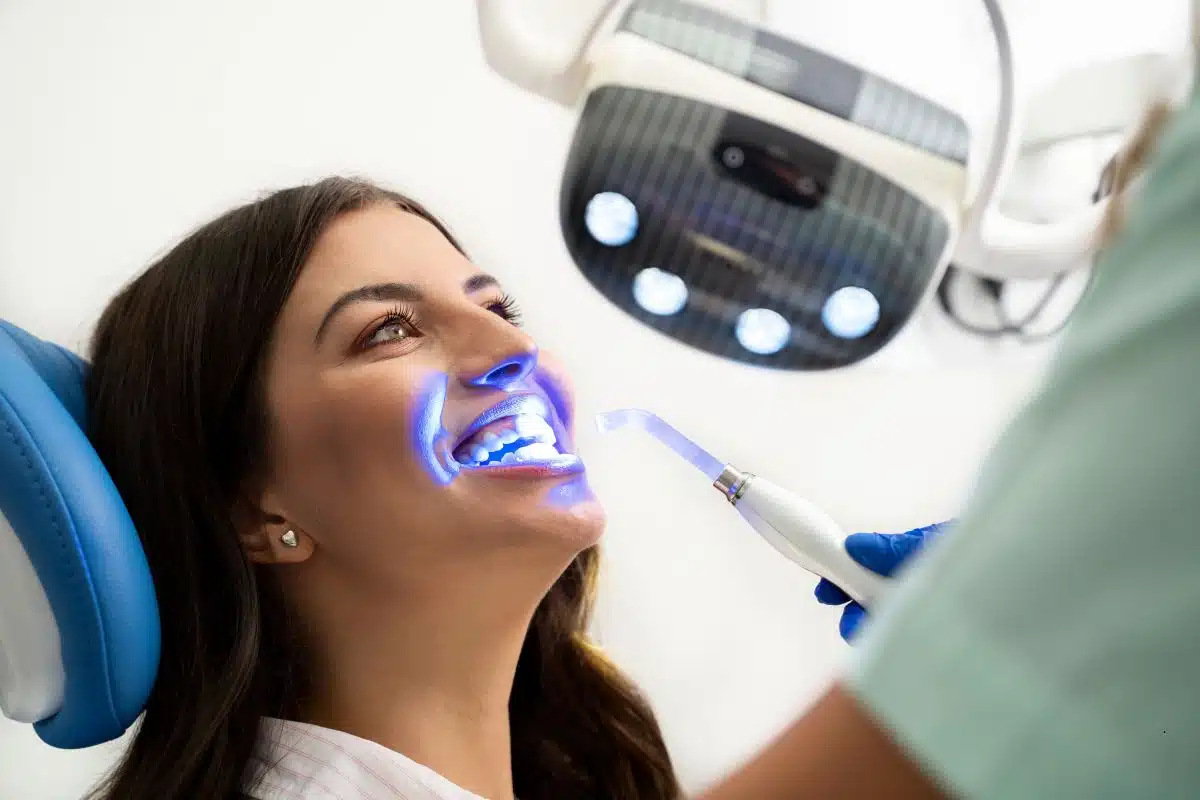
Featured image for “The Best Teeth Whitening Options for Sensitive Teeth”

Share:

Having a bright, white smile is something many people desire, but for those with sensitive teeth, whitening can often feel out of reach. Tooth sensitivity is a common issue caused by thinning enamel, receding gums, or other dental conditions. These challenges make it crucial to find whitening methods that are effective yet gentle on sensitive teeth. This guide will explore the best options for safely whitening sensitive teeth and achieving a radiant smile.

Understanding Tooth Sensitivity

Tooth sensitivity occurs when the inner layer of your tooth, called dentin, becomes exposed. This exposure can lead to discomfort when consuming hot, cold, or sugary foods and drinks. Common causes include:

  • Worn enamel: The protective layer of your teeth can thin over time due to brushing too hard, acidic foods, or age.
  • Gum recession: This exposes the tooth roots, which lack the enamel layer.
  • Dental conditions: Cavities, cracks, or worn fillings can also contribute.

If you have sensitive teeth, choosing whitening products or methods that consider these factors is essential.

Whitening Options for Sensitive Teeth

1. Professional Whitening Treatments

Visiting your dentist is one of the safest and most effective ways to whiten sensitive teeth. Dentists use advanced techniques and materials designed to minimize sensitivity while achieving noticeable results.

  • Customized whitening trays: These trays are created to fit your teeth perfectly and are paired with lower-strength whitening gels to reduce irritation.
  • In-office treatments: Dentists may use desensitizing agents during the procedure to protect your teeth while brightening them.

If you’re in Littleton, discussing teeth whitening options with your dentist can ensure a safe and comfortable experience tailored to your needs.

2. Whitening Toothpaste for Sensitive Teeth

For a more gradual approach, consider whitening toothpaste specifically formulated for sensitive teeth. These products contain mild abrasives and gentle whitening agents to lift surface stains without causing discomfort. Look for toothpaste that also includes ingredients like potassium nitrate or fluoride, which help reduce sensitivity.

This method works well for individuals with mild discoloration and is a budget-friendly option.

3. Over-the-Counter Whitening Strips and Gels

Some over-the-counter whitening strips and gels are designed for sensitive teeth. These products typically use lower concentrations of bleaching agents to minimize discomfort.

When using these options, it’s important to follow the instructions carefully and avoid overuse, as this can exacerbate sensitivity. Look for labels that indicate suitability for sensitive teeth.

4. Natural Remedies for Whitening Sensitive Teeth

If you prefer a natural approach, there are several gentle methods to brighten your smile:

  • Baking soda: Brushing with a paste made of baking soda and water can help remove surface stains without damaging enamel. Use it sparingly to avoid abrasiveness.
  • Activated charcoal: Known for its stain-lifting properties, activated charcoal is a natural option that may work for some people. Use it carefully and in moderation.
  • Hydrogen peroxide rinse: A diluted hydrogen peroxide solution can help whiten teeth over time. However, consult your dentist before trying this to ensure it’s safe for your teeth.

While natural remedies may not provide dramatic results, they can be effective for mild discoloration.

5. Desensitizing Products

If you experience discomfort during whitening, using desensitizing products can help. These include toothpaste or gels that block pain signals from the nerves in your teeth. Applying a desensitizing gel before or after whitening can make the process more comfortable.

Tips for Whitening Sensitive Teeth Safely

To achieve the best results while protecting your teeth, follow these tips:

  1. Consult your dentist: Before starting any whitening treatment, talk to your dentist to address sensitivity issues and choose the best method for your teeth.
  2. Start with low concentrations: Opt for whitening products with lower peroxide levels to reduce irritation.
  3. Take breaks: If you’re using at-home whitening products, take breaks between sessions to allow your teeth to recover.
  4. Avoid triggers: Limit foods and drinks that cause stains, such as coffee, tea, and red wine, to maintain your results.
  5. Maintain good oral hygiene: Brushing and flossing daily helps prevent new stains and keeps your smile bright.

Long-Term Care After Whitening

Once you’ve achieved your desired results, maintaining a bright smile is essential. Incorporate the following practices into your routine:

  • Use a straw: This reduces contact between staining beverages and your teeth.
  • Rinse after eating: Rinse your mouth with water after consuming foods that can stain your teeth.
  • Schedule regular cleanings: Professional cleanings help remove stains and keep your teeth looking their best.

Final Thoughts

Teeth whitening is possible for individuals with sensitive teeth when done carefully. By choosing the right products and methods, you can achieve a brighter smile without discomfort. Professional treatments, whitening toothpaste, and natural remedies all offer effective options tailored to sensitive teeth. Always prioritize safety and consult your dentist to ensure the best results for your smile.

For those in Littleton seeking teeth whitening solutions, speak with your dentist to explore treatments designed for sensitivity. A radiant, pain-free smile is within reach!

The Best Teeth Whitening Options for Sensitive Teeth

November 20, 2024

Having a bright, white smile is something many people desire, but for those with sensitive teeth, whitening can often feel out of reach. Tooth sensitivity is a common issue caused by thinning enamel, receding gums, or other dental conditions. These challenges make it crucial to find whitening methods that are effective yet gentle on sensitive teeth. This guide will explore the best options for safely whitening sensitive teeth and achieving a radiant smile.

Understanding Tooth Sensitivity

Tooth sensitivity occurs when the inner layer of your tooth, called dentin, becomes exposed. This exposure can lead to discomfort when consuming hot, cold, or sugary foods and drinks. Common causes include:

  • Worn enamel: The protective layer of your teeth can thin over time due to brushing too hard, acidic foods, or age.
  • Gum recession: This exposes the tooth roots, which lack the enamel layer.
  • Dental conditions: Cavities, cracks, or worn fillings can also contribute.

If you have sensitive teeth, choosing whitening products or methods that consider these factors is essential.

Whitening Options for Sensitive Teeth

1. Professional Whitening Treatments

Visiting your dentist is one of the safest and most effective ways to whiten sensitive teeth. Dentists use advanced techniques and materials designed to minimize sensitivity while achieving noticeable results.

  • Customized whitening trays: These trays are created to fit your teeth perfectly and are paired with lower-strength whitening gels to reduce irritation.
  • In-office treatments: Dentists may use desensitizing agents during the procedure to protect your teeth while brightening them.

If you’re in Littleton, discussing teeth whitening options with your dentist can ensure a safe and comfortable experience tailored to your needs.

2. Whitening Toothpaste for Sensitive Teeth

For a more gradual approach, consider whitening toothpaste specifically formulated for sensitive teeth. These products contain mild abrasives and gentle whitening agents to lift surface stains without causing discomfort. Look for toothpaste that also includes ingredients like potassium nitrate or fluoride, which help reduce sensitivity.

This method works well for individuals with mild discoloration and is a budget-friendly option.

3. Over-the-Counter Whitening Strips and Gels

Some over-the-counter whitening strips and gels are designed for sensitive teeth. These products typically use lower concentrations of bleaching agents to minimize discomfort.

When using these options, it’s important to follow the instructions carefully and avoid overuse, as this can exacerbate sensitivity. Look for labels that indicate suitability for sensitive teeth.

4. Natural Remedies for Whitening Sensitive Teeth

If you prefer a natural approach, there are several gentle methods to brighten your smile:

  • Baking soda: Brushing with a paste made of baking soda and water can help remove surface stains without damaging enamel. Use it sparingly to avoid abrasiveness.
  • Activated charcoal: Known for its stain-lifting properties, activated charcoal is a natural option that may work for some people. Use it carefully and in moderation.
  • Hydrogen peroxide rinse: A diluted hydrogen peroxide solution can help whiten teeth over time. However, consult your dentist before trying this to ensure it’s safe for your teeth.

While natural remedies may not provide dramatic results, they can be effective for mild discoloration.

5. Desensitizing Products

If you experience discomfort during whitening, using desensitizing products can help. These include toothpaste or gels that block pain signals from the nerves in your teeth. Applying a desensitizing gel before or after whitening can make the process more comfortable.

Tips for Whitening Sensitive Teeth Safely

To achieve the best results while protecting your teeth, follow these tips:

  1. Consult your dentist: Before starting any whitening treatment, talk to your dentist to address sensitivity issues and choose the best method for your teeth.
  2. Start with low concentrations: Opt for whitening products with lower peroxide levels to reduce irritation.
  3. Take breaks: If you’re using at-home whitening products, take breaks between sessions to allow your teeth to recover.
  4. Avoid triggers: Limit foods and drinks that cause stains, such as coffee, tea, and red wine, to maintain your results.
  5. Maintain good oral hygiene: Brushing and flossing daily helps prevent new stains and keeps your smile bright.

Long-Term Care After Whitening

Once you’ve achieved your desired results, maintaining a bright smile is essential. Incorporate the following practices into your routine:

  • Use a straw: This reduces contact between staining beverages and your teeth.
  • Rinse after eating: Rinse your mouth with water after consuming foods that can stain your teeth.
  • Schedule regular cleanings: Professional cleanings help remove stains and keep your teeth looking their best.

Final Thoughts

Teeth whitening is possible for individuals with sensitive teeth when done carefully. By choosing the right products and methods, you can achieve a brighter smile without discomfort. Professional treatments, whitening toothpaste, and natural remedies all offer effective options tailored to sensitive teeth. Always prioritize safety and consult your dentist to ensure the best results for your smile.

For those in Littleton seeking teeth whitening solutions, speak with your dentist to explore treatments designed for sensitivity. A radiant, pain-free smile is within reach!


Share: