
Are Porcelain Veneers Bad for Your Teeth?

September 26, 2024
Featured image for “Are Porcelain Veneers Bad for Your Teeth?”

Share:

Porcelain veneers have become increasingly popular as a cosmetic dental treatment. They offer a way to enhance your smile by improving the appearance of your teeth. But as with any dental procedure, questions often arise about their long-term effects. One common question people ask is: Are porcelain veneers bad for your teeth? In this blog, we’ll explore the facts behind veneers, how they work, and whether they could potentially cause harm to your teeth.

What Are Porcelain Veneers?

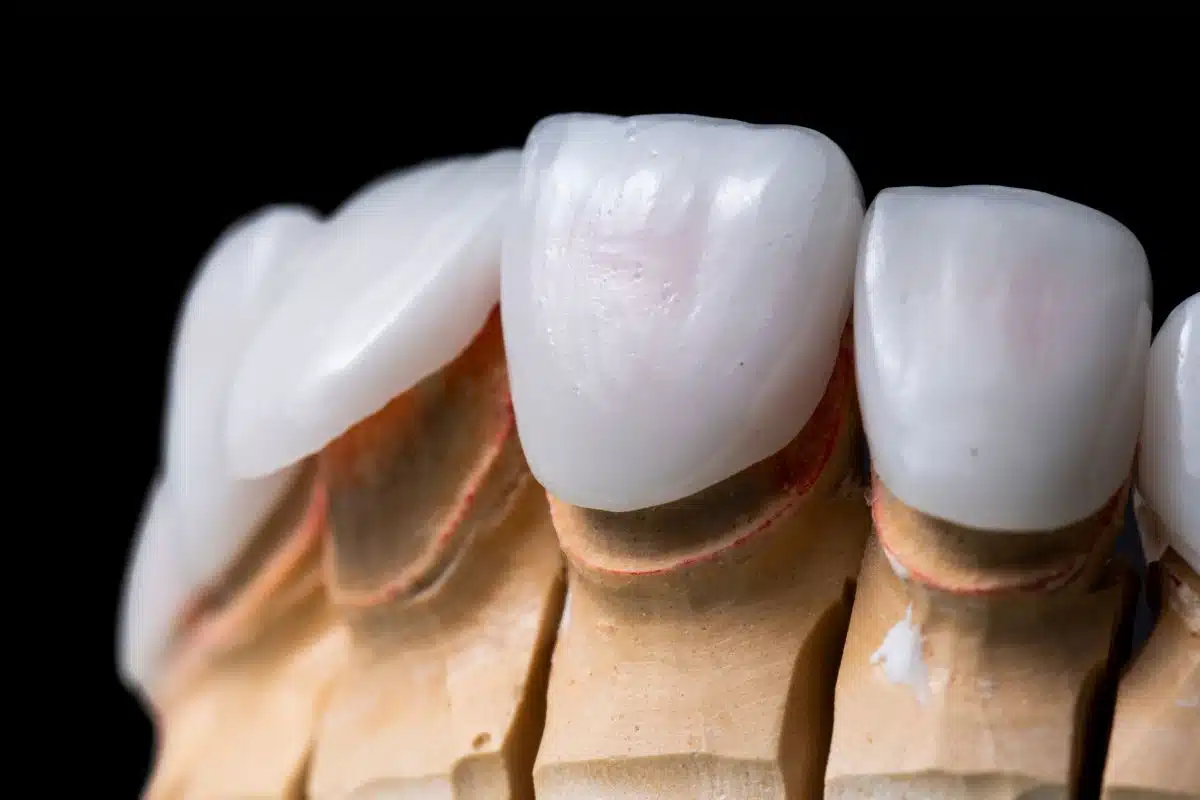
Porcelain veneers are thin, custom-made shells designed to cover the front surface of your teeth. They’re often used to improve the appearance of teeth that are stained, chipped, or unevenly spaced. Veneers are made from durable materials like porcelain, which can mimic the look and feel of natural teeth. They’re a popular choice for those seeking a cosmetic solution to enhance their smile.

How Do Porcelain Veneers Work?

Before applying veneers, a cosmetic dentist usually removes a small amount of enamel from the tooth’s surface to ensure the veneers fit properly. Once the enamel is removed, the dentist bonds the veneers to the teeth using a strong adhesive. The result is a natural-looking, beautiful smile that can last many years with proper care.

Are Porcelain Veneers Harmful to Your Teeth?

The idea that porcelain veneers might be bad for your teeth is often a concern for those considering this cosmetic treatment. However, it’s important to clarify that veneers themselves do not damage teeth. Problems can arise if the procedure is not done correctly, or if proper care isn’t taken afterward.

Enamel Removal: Necessary but Minimal

One of the most common concerns about veneers is the removal of enamel. Since enamel does not regenerate, many people worry about losing this protective layer. It’s true that a small amount of enamel must be removed before veneers can be applied, but this removal is minimal—usually less than a millimeter. While this might seem like a significant alteration, it’s generally safe when performed by a skilled cosmetic dentist.

It’s important to note that once veneers are applied, they act as a protective layer over the teeth, reducing the risk of further damage. However, because enamel is permanently removed, this procedure is irreversible.

Veneers Don’t Weaken Teeth

Another common myth is that porcelain veneers weaken teeth. In fact, veneers can actually strengthen the tooth structure by providing an additional layer of protection. When veneers are properly bonded to the teeth, they can improve the tooth’s resistance to wear and tear. This can be particularly beneficial for individuals with chipped or cracked teeth.

Potential Risks of Porcelain Veneers

While porcelain veneers are generally safe, there are potential risks to be aware of. Poor dental hygiene or improper care after the procedure can lead to complications. Some potential issues include:

  • Tooth Sensitivity: Some people experience sensitivity after enamel removal, especially to hot or cold foods. This sensitivity usually subsides after a few days or weeks.
  • Gum Irritation: If the veneers are not properly fitted, they can cause gum irritation or discomfort. This issue can be resolved by adjusting the veneers to fit better.
  • Veneer Damage: Although porcelain is strong, it’s not invincible. Veneers can chip or crack if you chew on hard objects like ice or pens. It’s important to treat your veneers with care to avoid damaging them.

How to Care for Porcelain Veneers

Taking care of your porcelain veneers is crucial for ensuring they last and maintain their appearance. Good oral hygiene practices are essential for keeping both your veneers and natural teeth in excellent condition. Here are a few tips to help you care for your veneers:

Brush and Floss Daily

Just like with natural teeth, brushing and flossing are essential for keeping your veneers clean and free of plaque. Use a soft-bristle toothbrush and non-abrasive toothpaste to avoid scratching the surface of the veneers.

Avoid Staining Foods and Drinks

Although porcelain veneers are stain-resistant, your natural teeth are not. This means that consuming stain-causing foods and drinks like coffee, wine, and dark berries can lead to noticeable discoloration between the veneers and your natural teeth. Try to limit these foods or rinse your mouth with water after consuming them.

Regular Dental Checkups

Routine dental visits are crucial for maintaining both your veneers and overall oral health. Your cosmetic dentist will check the condition of your veneers and ensure that your gums and natural teeth remain healthy.

Can You Reverse the Veneer Process?

As mentioned earlier, the veneer process involves removing a small amount of enamel from your teeth. Because this removal is permanent, the process cannot be reversed. Once veneers are applied, you’ll need to maintain them or replace them over time. This is why it’s important to be fully committed to the decision before getting veneers.

Who Is a Good Candidate for Porcelain Veneers?

Porcelain veneers are not for everyone, and it’s essential to consult with a skilled cosmetic dentist in Littleton to determine if they are the right option for you. People with healthy teeth and gums are generally good candidates for veneers, while those with severe dental issues may need other treatments before considering veneers.

Veneers are a great option for individuals who want to address cosmetic concerns such as:

  • Discolored teeth
  • Chipped or broken teeth
  • Gaps between teeth
  • Minor misalignments

If you’re unsure whether veneers are the best solution for your smile, schedule a consultation with a cosmetic dentist to discuss your options and create a personalized treatment plan.

Conclusion: Are Porcelain Veneers Bad for Your Teeth?

In summary, porcelain veneers are not bad for your teeth when properly applied and cared for. They can enhance your smile, provide protection for damaged teeth, and boost your confidence. However, it’s crucial to maintain good oral hygiene and visit your dentist regularly to ensure the longevity of your veneers.

If you’re considering porcelain veneers, it’s important to work with an experienced cosmetic dentist to ensure the procedure is done correctly. At Red Rocks Family Dentistry in Littleton, CO, our team is dedicated to helping you achieve the smile of your dreams while ensuring your dental health remains a priority.

Are Porcelain Veneers Bad for Your Teeth?

September 26, 2024

Porcelain veneers have become increasingly popular as a cosmetic dental treatment. They offer a way to enhance your smile by improving the appearance of your teeth. But as with any dental procedure, questions often arise about their long-term effects. One common question people ask is: Are porcelain veneers bad for your teeth? In this blog, we’ll explore the facts behind veneers, how they work, and whether they could potentially cause harm to your teeth.

What Are Porcelain Veneers?

Porcelain veneers are thin, custom-made shells designed to cover the front surface of your teeth. They’re often used to improve the appearance of teeth that are stained, chipped, or unevenly spaced. Veneers are made from durable materials like porcelain, which can mimic the look and feel of natural teeth. They’re a popular choice for those seeking a cosmetic solution to enhance their smile.

How Do Porcelain Veneers Work?

Before applying veneers, a cosmetic dentist usually removes a small amount of enamel from the tooth’s surface to ensure the veneers fit properly. Once the enamel is removed, the dentist bonds the veneers to the teeth using a strong adhesive. The result is a natural-looking, beautiful smile that can last many years with proper care.

Are Porcelain Veneers Harmful to Your Teeth?

The idea that porcelain veneers might be bad for your teeth is often a concern for those considering this cosmetic treatment. However, it’s important to clarify that veneers themselves do not damage teeth. Problems can arise if the procedure is not done correctly, or if proper care isn’t taken afterward.

Enamel Removal: Necessary but Minimal

One of the most common concerns about veneers is the removal of enamel. Since enamel does not regenerate, many people worry about losing this protective layer. It’s true that a small amount of enamel must be removed before veneers can be applied, but this removal is minimal—usually less than a millimeter. While this might seem like a significant alteration, it’s generally safe when performed by a skilled cosmetic dentist.

It’s important to note that once veneers are applied, they act as a protective layer over the teeth, reducing the risk of further damage. However, because enamel is permanently removed, this procedure is irreversible.

Veneers Don’t Weaken Teeth

Another common myth is that porcelain veneers weaken teeth. In fact, veneers can actually strengthen the tooth structure by providing an additional layer of protection. When veneers are properly bonded to the teeth, they can improve the tooth’s resistance to wear and tear. This can be particularly beneficial for individuals with chipped or cracked teeth.

Potential Risks of Porcelain Veneers

While porcelain veneers are generally safe, there are potential risks to be aware of. Poor dental hygiene or improper care after the procedure can lead to complications. Some potential issues include:

  • Tooth Sensitivity: Some people experience sensitivity after enamel removal, especially to hot or cold foods. This sensitivity usually subsides after a few days or weeks.
  • Gum Irritation: If the veneers are not properly fitted, they can cause gum irritation or discomfort. This issue can be resolved by adjusting the veneers to fit better.
  • Veneer Damage: Although porcelain is strong, it’s not invincible. Veneers can chip or crack if you chew on hard objects like ice or pens. It’s important to treat your veneers with care to avoid damaging them.

How to Care for Porcelain Veneers

Taking care of your porcelain veneers is crucial for ensuring they last and maintain their appearance. Good oral hygiene practices are essential for keeping both your veneers and natural teeth in excellent condition. Here are a few tips to help you care for your veneers:

Brush and Floss Daily

Just like with natural teeth, brushing and flossing are essential for keeping your veneers clean and free of plaque. Use a soft-bristle toothbrush and non-abrasive toothpaste to avoid scratching the surface of the veneers.

Avoid Staining Foods and Drinks

Although porcelain veneers are stain-resistant, your natural teeth are not. This means that consuming stain-causing foods and drinks like coffee, wine, and dark berries can lead to noticeable discoloration between the veneers and your natural teeth. Try to limit these foods or rinse your mouth with water after consuming them.

Regular Dental Checkups

Routine dental visits are crucial for maintaining both your veneers and overall oral health. Your cosmetic dentist will check the condition of your veneers and ensure that your gums and natural teeth remain healthy.

Can You Reverse the Veneer Process?

As mentioned earlier, the veneer process involves removing a small amount of enamel from your teeth. Because this removal is permanent, the process cannot be reversed. Once veneers are applied, you’ll need to maintain them or replace them over time. This is why it’s important to be fully committed to the decision before getting veneers.

Who Is a Good Candidate for Porcelain Veneers?

Porcelain veneers are not for everyone, and it’s essential to consult with a skilled cosmetic dentist in Littleton to determine if they are the right option for you. People with healthy teeth and gums are generally good candidates for veneers, while those with severe dental issues may need other treatments before considering veneers.

Veneers are a great option for individuals who want to address cosmetic concerns such as:

  • Discolored teeth
  • Chipped or broken teeth
  • Gaps between teeth
  • Minor misalignments

If you’re unsure whether veneers are the best solution for your smile, schedule a consultation with a cosmetic dentist to discuss your options and create a personalized treatment plan.

Conclusion: Are Porcelain Veneers Bad for Your Teeth?

In summary, porcelain veneers are not bad for your teeth when properly applied and cared for. They can enhance your smile, provide protection for damaged teeth, and boost your confidence. However, it’s crucial to maintain good oral hygiene and visit your dentist regularly to ensure the longevity of your veneers.

If you’re considering porcelain veneers, it’s important to work with an experienced cosmetic dentist to ensure the procedure is done correctly. At Red Rocks Family Dentistry in Littleton, CO, our team is dedicated to helping you achieve the smile of your dreams while ensuring your dental health remains a priority.


Share: