
A bright, white smile can boost your confidence and improve your overall appearance. Teeth whitening is a popular cosmetic treatment that many people consider to achieve a dazzling smile. However, before you undergo a teeth whitening procedure, it’s important to understand the basics. Here are five essential facts about teeth whitening that you need to know.
1. How Teeth Whitening Works
Teeth whitening involves the use of bleaching agents to remove stains and discoloration from your teeth. The most common whitening agents are hydrogen peroxide and carbamide peroxide. These substances break down the stains on your teeth and make them appear whiter.
- In-Office Whitening: A Littleton dentist can perform professional whitening treatments in their office. These treatments usually involve stronger whitening agents and can achieve noticeable results in a single visit.
- At-Home Whitening: Over-the-counter whitening products are also available. These products include whitening toothpaste, gels, and whitening strips. They typically contain lower concentrations of bleaching agents and require consistent use over a longer period to see results.
2. What to Expect During the Whitening Process
Before starting any whitening treatment, it’s a good idea to consult with a Littleton dentist. They can help determine the best approach based on your dental health and goals. Here’s what you can generally expect during the whitening process:
- Initial Consultation: Your dentist will evaluate your oral health, discuss your expectations, and recommend the most suitable whitening method. They may also take impressions of your teeth if you opt for custom whitening trays.
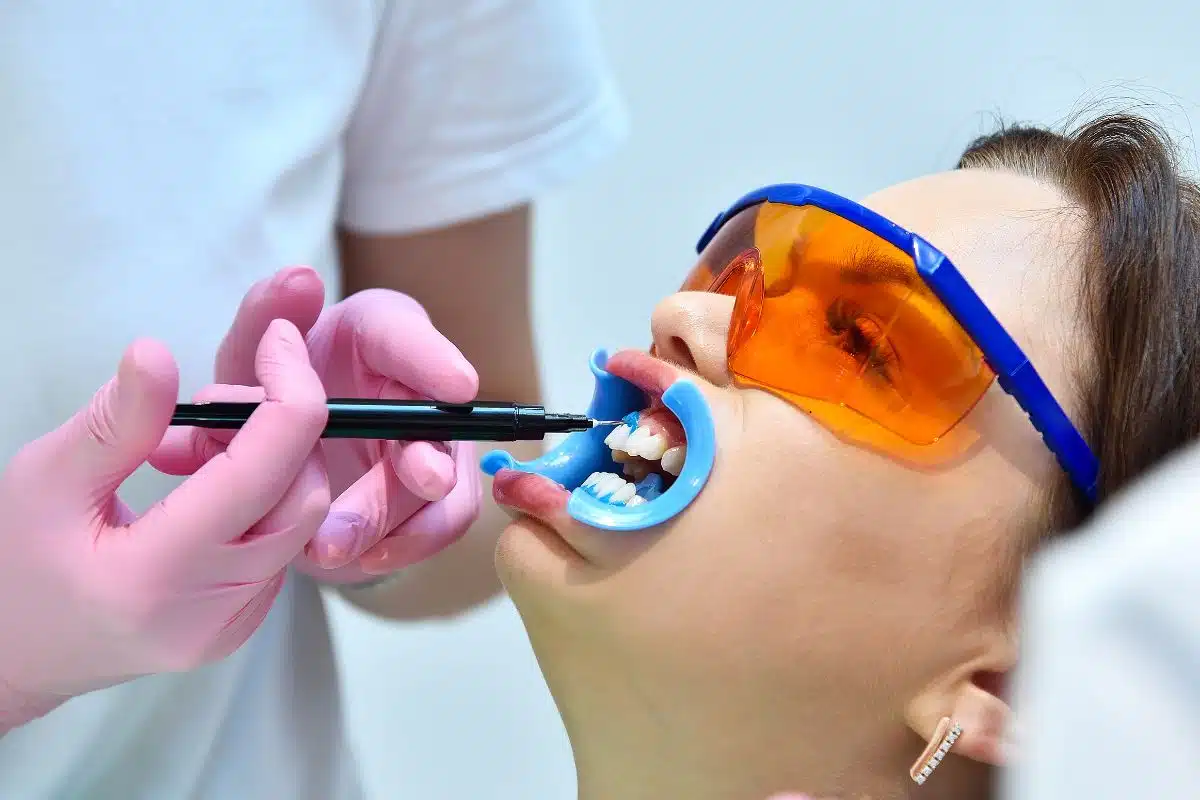
- Whitening Treatment: For in-office treatments, the dentist will apply the whitening agent to your teeth and use a special light to enhance the whitening effect. The treatment usually takes about an hour.
- Aftercare: Post-treatment, you might experience some sensitivity. Your dentist will provide guidelines on how to care for your teeth and manage any sensitivity.
3. The Results Are Not Permanent
Teeth whitening can significantly improve the brightness of your smile, but the results are not permanent. Several factors can affect the longevity of your whitening results:
- Diet and Lifestyle: Consuming stain-causing foods and drinks, such as coffee, tea, and red wine, can diminish the effects of whitening over time. Smoking and tobacco use can also contribute to staining.
- Oral Hygiene: Maintaining good oral hygiene by brushing and flossing regularly helps keep your teeth clean and can prolong the effects of whitening.
- Touch-Up Treatments: You may need periodic touch-up treatments to maintain your desired level of whiteness. Your dentist can advise you on when to schedule these touch-ups.
4. Not Everyone Is a Good Candidate
While teeth whitening is effective for many people, it’s not suitable for everyone. Here are some factors to consider:
- Dental Health: If you have cavities, gum disease, or other dental issues, it’s important to address these problems before undergoing whitening. Your dentist will ensure your teeth are healthy enough for the treatment.
- Existing Dental Work: Whitening treatments may not be effective on dental restorations like crowns, veneers, or fillings. Your dentist can discuss alternative options if you have significant dental work.
- Tooth Sensitivity: Some people experience increased sensitivity during or after whitening treatments. If you have sensitive teeth, talk to your dentist about potential solutions or alternative whitening methods.
5. DIY Whitening Kits vs. Professional Whitening
With many over-the-counter whitening products available, you might wonder if DIY Whitening kits are as effective as professional treatments. Here’s a comparison:
- DIY Kits: Over-the-counter whitening kits are more affordable and convenient but often contain lower concentrations of bleaching agents. They may take longer to show results and may not be as effective for severe staining.
- Professional Whitening: A Littleton dentist offers professional whitening treatments with stronger agents and customized approaches. These treatments typically provide faster and more noticeable results.
Conclusion
Understanding these essential facts about teeth whitening can help you make an informed decision about achieving a brighter smile. Whether you choose professional whitening or an at-home kit, maintaining good oral hygiene and consulting with a Littleton dentist can ensure the best results. If you’re considering teeth whitening, schedule a consultation with your dentist to discuss your options and find the best solution for your needs.
By being aware of the process, potential outcomes, and limitations of teeth whitening, you can confidently pursue a brighter, more radiant smile.