
Root Canal Recovery: What to Expect After the Procedure

March 12, 2024
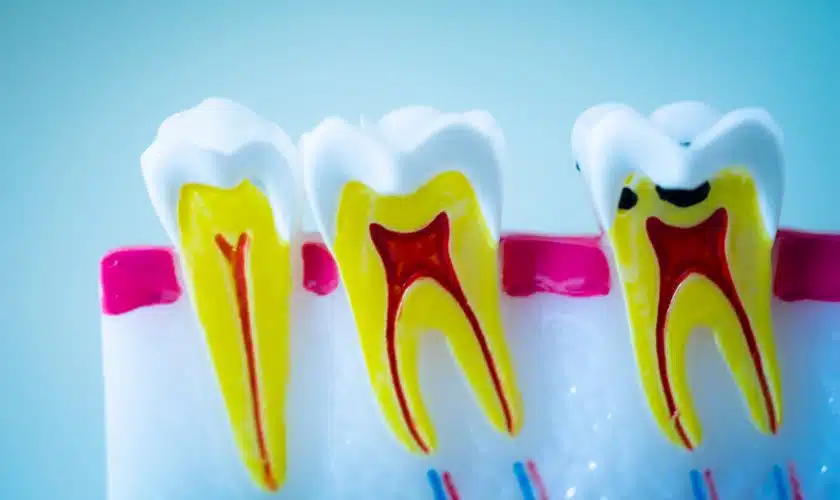
Featured image for “Root Canal Recovery: What to Expect After the Procedure”

Share:

Root canal therapy is a common dental procedure aimed at saving a compromised tooth by removing infected or damaged pulp. While the term “root canal” may evoke anxiety in some, understanding the recovery process can help alleviate concerns and ensure a smooth healing journey.

What to expect after a root canal procedure?

Immediate Post-Procedure Care:

After the root canal, your dentist will provide post-operative care instructions. This may include avoiding chewing on the treated tooth until a permanent restoration is in place and taking any prescribed medications for pain or infection prevention.

Managing Discomfort:

It’s normal to experience some discomfort or mild pain after a root canal. Over-the-counter pain relievers, as recommended by your dentist, can help manage any post-procedure soreness. Applying ice packs to the affected area for short periods can also alleviate swelling.

Dietary Considerations:

Stick to a soft or liquid diet in the initial days following the procedure. This helps prevent unnecessary pressure on the treated tooth and promotes a smoother recovery. Avoiding hard or crunchy foods can prevent potential damage to the temporary restoration.

Follow-up Appointments:

A crucial part of the recovery process involves attending follow-up appointments with your dentist. These appointments are essential for monitoring the healing progress and ensuring that the tooth is ready for the final restoration, usually a dental crown.

Temporary Restoration:

In many cases, a temporary filling or crown is placed on the tooth immediately after the root canal. This is to protect the tooth while a custom, permanent restoration is being created. Treat the temporary restoration with care and follow any guidelines provided by your dentist.

Maintaining Oral Hygiene:

Good oral hygiene is crucial during the recovery phase. Continue to brush and floss your teeth, being gentle around the treated area. Your dentist may recommend a special mouthwash or antimicrobial rinse to aid in the healing process.

Monitoring Signs of Concern:

Keep an eye out for any unusual symptoms, such as persistent pain, swelling, or discharge. If you notice anything concerning, contact your dentist promptly for further evaluation.

Emotional Support:

Acknowledge that the recovery process may come with a mix of emotions, including relief, anxiety, or even sensitivity. Share your concerns with your dentist, and seek support from friends or family members to make the recovery period more comfortable.

Conclusion:

Root canal recovery is a progressive journey towards restoring your oral health. By following your dentist’s instructions, maintaining good oral hygiene, and attending follow-up appointments, you increase the likelihood of a successful outcome. Remember, open communication with your dental care team is key to ensuring a smooth and comfortable recovery. In no time, you’ll be able to enjoy the benefits of a pain-free, healthy smile.

Root Canal Recovery: What to Expect After the Procedure

March 12, 2024

Root canal therapy is a common dental procedure aimed at saving a compromised tooth by removing infected or damaged pulp. While the term “root canal” may evoke anxiety in some, understanding the recovery process can help alleviate concerns and ensure a smooth healing journey.

What to expect after a root canal procedure?

Immediate Post-Procedure Care:

After the root canal, your dentist will provide post-operative care instructions. This may include avoiding chewing on the treated tooth until a permanent restoration is in place and taking any prescribed medications for pain or infection prevention.

Managing Discomfort:

It’s normal to experience some discomfort or mild pain after a root canal. Over-the-counter pain relievers, as recommended by your dentist, can help manage any post-procedure soreness. Applying ice packs to the affected area for short periods can also alleviate swelling.

Dietary Considerations:

Stick to a soft or liquid diet in the initial days following the procedure. This helps prevent unnecessary pressure on the treated tooth and promotes a smoother recovery. Avoiding hard or crunchy foods can prevent potential damage to the temporary restoration.

Follow-up Appointments:

A crucial part of the recovery process involves attending follow-up appointments with your dentist. These appointments are essential for monitoring the healing progress and ensuring that the tooth is ready for the final restoration, usually a dental crown.

Temporary Restoration:

In many cases, a temporary filling or crown is placed on the tooth immediately after the root canal. This is to protect the tooth while a custom, permanent restoration is being created. Treat the temporary restoration with care and follow any guidelines provided by your dentist.

Maintaining Oral Hygiene:

Good oral hygiene is crucial during the recovery phase. Continue to brush and floss your teeth, being gentle around the treated area. Your dentist may recommend a special mouthwash or antimicrobial rinse to aid in the healing process.

Monitoring Signs of Concern:

Keep an eye out for any unusual symptoms, such as persistent pain, swelling, or discharge. If you notice anything concerning, contact your dentist promptly for further evaluation.

Emotional Support:

Acknowledge that the recovery process may come with a mix of emotions, including relief, anxiety, or even sensitivity. Share your concerns with your dentist, and seek support from friends or family members to make the recovery period more comfortable.

Conclusion:

Root canal recovery is a progressive journey towards restoring your oral health. By following your dentist’s instructions, maintaining good oral hygiene, and attending follow-up appointments, you increase the likelihood of a successful outcome. Remember, open communication with your dental care team is key to ensuring a smooth and comfortable recovery. In no time, you’ll be able to enjoy the benefits of a pain-free, healthy smile.


Share: