
Maintaining optimal gum health is crucial for overall oral well-being, and diagnosing periodontal disease is a key aspect of dental care. In this blog, we will guide you through what to expect during a dental exam focused on diagnosing periodontal disease, emphasizing the importance of early detection and effective treatment.
Diagnosing Periodontal Disease:
Comprehensive Patient History:
A thorough dental exam begins with a comprehensive review of your medical and dental history. Your dentist will inquire about any existing medical conditions, medications, and past dental procedures to better understand your overall health and potential risk factors for periodontal disease.
Visual Examination of Gums:
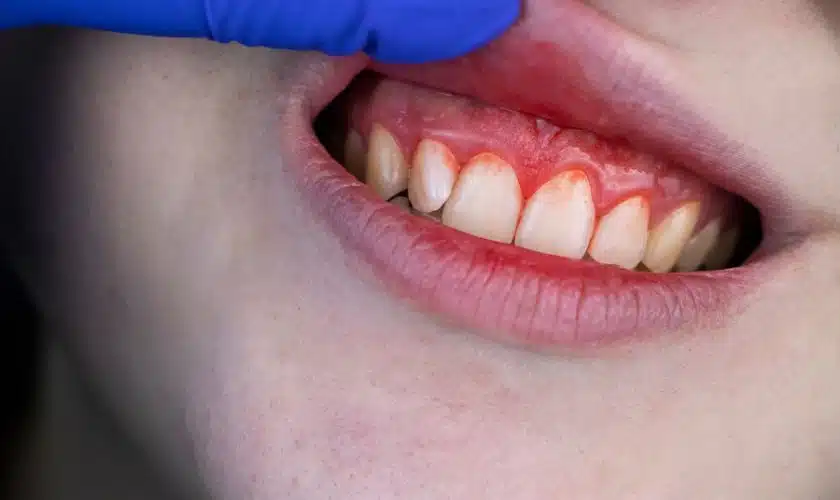
The dentist will visually inspect your gums, looking for signs of inflammation, redness, and swelling. Changes in gum color and texture can indicate the presence of gingivitis or more advanced stages of periodontal disease.
Probing and Measuring Pocket Depths:
To assess the health of the gums and identify potential pockets around the teeth, the dentist uses a periodontal probe. This small instrument measures the depth of spaces (periodontal pockets) between the teeth and gums. Deeper pockets can be indicative of periodontal disease.
Dental X-rays:
X-rays are a valuable tool for evaluating the bone structure and identifying any bone loss around the teeth. X-rays can reveal conditions that may not be visible during a visual examination, aiding in the early detection of periodontal disease.
Assessment of Gum Bleeding and Recession:
Bleeding gums during probing or signs of gum recession are additional indicators of potential periodontal issues. The dentist will carefully assess these factors as part of the overall examination.
Checking for Loose Teeth:
Periodontal disease can lead to the loosening of teeth due to damage to the supporting structures. Your dentist will check for any mobility or movement of your teeth during the exam.
Evaluation of Bite and Tooth Alignment:
The way your teeth come together (occlusion) and any signs of misalignment can influence the risk of periodontal disease. The dentist will assess your bite to identify any factors contributing to gum issues.
Discussion of Symptoms and Concerns:
If you’ve been experiencing symptoms such as persistent bad breath, changes in the fit of dentures, or gum sensitivity, it’s essential to communicate these concerns during the exam. This information helps in diagnosing and addressing specific issues.
Creating a Personalized Treatment Plan:
Based on the findings from the examination, your dentist will work with you to develop a personalized treatment plan. This may include recommendations for professional cleanings, scaling and root planing, and lifestyle adjustments to manage and prevent periodontal disease.
Conclusion:
Regular dental exams focused on diagnosing periodontal disease are essential for maintaining healthy gums and preventing the progression of oral health issues. By understanding what to expect during these exams, you empower yourself to take an active role in your oral care. Remember, early detection and timely intervention are key to preserving your smile and ensuring optimal gum health.