
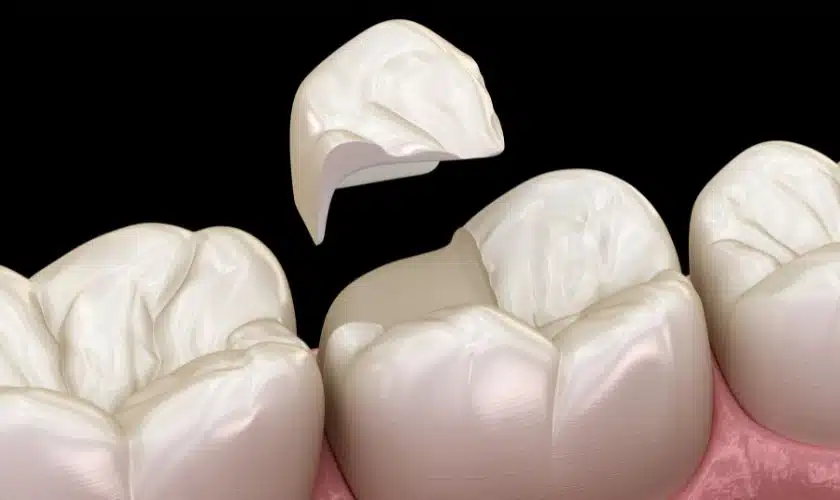
A cracked tooth can bring about various dental concerns, and one of the common issues associated with dental fractures is tooth sensitivity. Understanding the relationship between cracked teeth and tooth sensitivity is crucial for effective management and prevention. In this blog, we’ll delve into the intricate connection between these two dental concerns, exploring the causes, symptoms, and strategies for addressing the challenges they pose.
The Link Between Cracked Teeth and Tooth Sensitivity
- Cracked Teeth: A Closer Look: Explore the different types of cracked teeth and how they can lead to tooth sensitivity. Discuss the varying degrees of severity in dental fractures.
- How Cracked Teeth Cause Sensitivity: Delve into the mechanics of how cracks in the tooth enamel can expose the sensitive inner layers, such as dentin, leading to increased sensitivity to hot, cold, sweet, or acidic stimuli.
- Symptoms of Cracked Teeth and Sensitivity: Identify the overlapping symptoms of cracked teeth and tooth sensitivity, helping readers recognize when these dental issues may be interconnected.
Understanding Tooth Sensitivity
- The Anatomy of Tooth Sensitivity: Provide an overview of the tooth’s anatomy, explaining how the outer enamel, underlying dentin, and nerve endings contribute to sensitivity.
- Common Causes of Tooth Sensitivity: Explore various factors beyond cracked teeth that can lead to tooth sensitivity, including gum recession, enamel erosion, and cavities.
- Cracked Teeth and Nerve Irritation: Explain how cracks in the tooth can expose nerves to external stimuli, causing irritation and heightened sensitivity.
Exploring the Relationship
- Diagnostic Techniques for Cracked Teeth and Sensitivity: Discuss the diagnostic methods dentists use, such as X-rays, dental exams, and sensitivity tests, to identify and assess cracked teeth and tooth sensitivity.
- Treatment Approaches for Cracked Teeth and Sensitivity: Explore the range of treatment options available, from dental bonding and crowns for cracked teeth to desensitizing toothpaste and fluoride treatments for sensitivity.
- Preventive Measures: Provide practical tips to prevent both cracked teeth and tooth sensitivity, including maintaining good oral hygiene practices, using mouthguards for sports, and avoiding habits like teeth grinding.
Seeking Professional Guidance
- When to Consult a Dentist: Educate readers on the signs that necessitate professional intervention, emphasizing the importance of timely dental care.
- The Role of Regular Dental Check-ups: Stress the significance of routine dental check-ups in identifying and addressing dental issues before they escalate.
Conclusion:
By understanding the intricate relationship between cracked teeth and tooth sensitivity, individuals can take proactive steps to protect their dental health. From recognizing symptoms to seeking professional guidance, a comprehensive approach to dental care can help maintain a healthy, pain-free smile. If you’re experiencing any symptoms of cracked teeth or tooth sensitivity, don’t hesitate to consult with your dentist for personalized advice and appropriate treatment options.