
Pediatric Dentistry: The Benefits of Early Orthodontic Evaluation

February 5, 2024
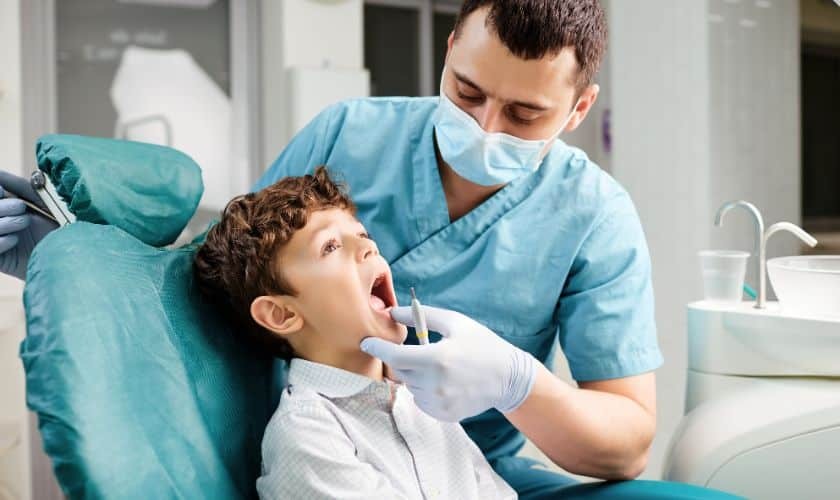
Featured image for “Pediatric Dentistry: The Benefits of Early Orthodontic Evaluation”

Share:

Pediatric dentistry plays a crucial role in the oral health and development of children. One aspect that parents often overlook is the importance of early orthodontic evaluation. While many associate orthodontic treatment with adolescence, early evaluation and intervention can lead to significant benefits for children. In this blog, we’ll explore why early orthodontic evaluation is essential in pediatric dentistry and the advantages it offers for your child’s dental health.

Understanding Early Orthodontic Evaluation: Early orthodontic evaluation involves assessing a child’s dental development to identify any potential issues that may require intervention. This evaluation typically occurs around the age of seven when a child has a mix of primary (baby) and permanent teeth. During this stage, a pediatric dentist or orthodontist can identify problems such as overcrowding, bite misalignment, or jaw irregularities.

Benefits of Early Orthodontic Evaluation:

  1. Early Detection of Orthodontic Issues: Early evaluation allows dental professionals to detect orthodontic issues before they become more severe. By identifying problems early, interventions can be initiated to prevent further complications and guide proper dental development.
  2. Preventive Measures: Early orthodontic evaluation enables the implementation of preventive measures to address potential problems. These measures may include the use of space maintainers to prevent tooth shifting or the guidance of permanent teeth into proper alignment as they erupt.
  3. Timely Intervention: Addressing orthodontic issues at an early age can often lead to simpler and more effective treatment options. Early intervention can help avoid the need for extensive orthodontic treatment later in life, saving time, money, and discomfort for both the child and parents.
  4. Correction of Bite Alignment: Bite misalignment, such as overbites, underbites, or crossbites, can impact a child’s oral health and function. Early orthodontic evaluation allows for the correction of bite alignment issues, promoting proper chewing, speech development, and overall oral function.
  5. Improved Facial Aesthetics: Orthodontic issues not only affect dental health but also facial aesthetics. Early intervention can help guide proper jaw growth and tooth alignment, resulting in a more harmonious facial appearance and boosting your child’s self-esteem.
  6. Enhanced Oral Health: Addressing orthodontic issues early can contribute to better oral health outcomes in the long run. Properly aligned teeth are easier to clean and maintain, reducing the risk of tooth decay, gum disease, and other dental problems later in life.
  7. Increased Treatment Success: Early orthodontic evaluation sets the stage for a comprehensive treatment plan tailored to your child’s unique needs. By addressing orthodontic issues proactively, treatment success rates are often higher, leading to optimal dental health outcomes.

Conclusion: Early orthodontic evaluation is a cornerstone of pediatric dentistry, offering numerous benefits for children’s dental health and overall well-being. By seeking early evaluation and intervention, parents can help ensure proper dental development and set the foundation for a lifetime of healthy smiles. If you haven’t already done so, consider scheduling an orthodontic evaluation for your child to take advantage of these valuable benefits and give them the gift of a beautiful, healthy smile.

Pediatric Dentistry: The Benefits of Early Orthodontic Evaluation

February 5, 2024

Pediatric dentistry plays a crucial role in the oral health and development of children. One aspect that parents often overlook is the importance of early orthodontic evaluation. While many associate orthodontic treatment with adolescence, early evaluation and intervention can lead to significant benefits for children. In this blog, we’ll explore why early orthodontic evaluation is essential in pediatric dentistry and the advantages it offers for your child’s dental health.

Understanding Early Orthodontic Evaluation: Early orthodontic evaluation involves assessing a child’s dental development to identify any potential issues that may require intervention. This evaluation typically occurs around the age of seven when a child has a mix of primary (baby) and permanent teeth. During this stage, a pediatric dentist or orthodontist can identify problems such as overcrowding, bite misalignment, or jaw irregularities.

Benefits of Early Orthodontic Evaluation:

  1. Early Detection of Orthodontic Issues: Early evaluation allows dental professionals to detect orthodontic issues before they become more severe. By identifying problems early, interventions can be initiated to prevent further complications and guide proper dental development.
  2. Preventive Measures: Early orthodontic evaluation enables the implementation of preventive measures to address potential problems. These measures may include the use of space maintainers to prevent tooth shifting or the guidance of permanent teeth into proper alignment as they erupt.
  3. Timely Intervention: Addressing orthodontic issues at an early age can often lead to simpler and more effective treatment options. Early intervention can help avoid the need for extensive orthodontic treatment later in life, saving time, money, and discomfort for both the child and parents.
  4. Correction of Bite Alignment: Bite misalignment, such as overbites, underbites, or crossbites, can impact a child’s oral health and function. Early orthodontic evaluation allows for the correction of bite alignment issues, promoting proper chewing, speech development, and overall oral function.
  5. Improved Facial Aesthetics: Orthodontic issues not only affect dental health but also facial aesthetics. Early intervention can help guide proper jaw growth and tooth alignment, resulting in a more harmonious facial appearance and boosting your child’s self-esteem.
  6. Enhanced Oral Health: Addressing orthodontic issues early can contribute to better oral health outcomes in the long run. Properly aligned teeth are easier to clean and maintain, reducing the risk of tooth decay, gum disease, and other dental problems later in life.
  7. Increased Treatment Success: Early orthodontic evaluation sets the stage for a comprehensive treatment plan tailored to your child’s unique needs. By addressing orthodontic issues proactively, treatment success rates are often higher, leading to optimal dental health outcomes.

Conclusion: Early orthodontic evaluation is a cornerstone of pediatric dentistry, offering numerous benefits for children’s dental health and overall well-being. By seeking early evaluation and intervention, parents can help ensure proper dental development and set the foundation for a lifetime of healthy smiles. If you haven’t already done so, consider scheduling an orthodontic evaluation for your child to take advantage of these valuable benefits and give them the gift of a beautiful, healthy smile.


Share: