
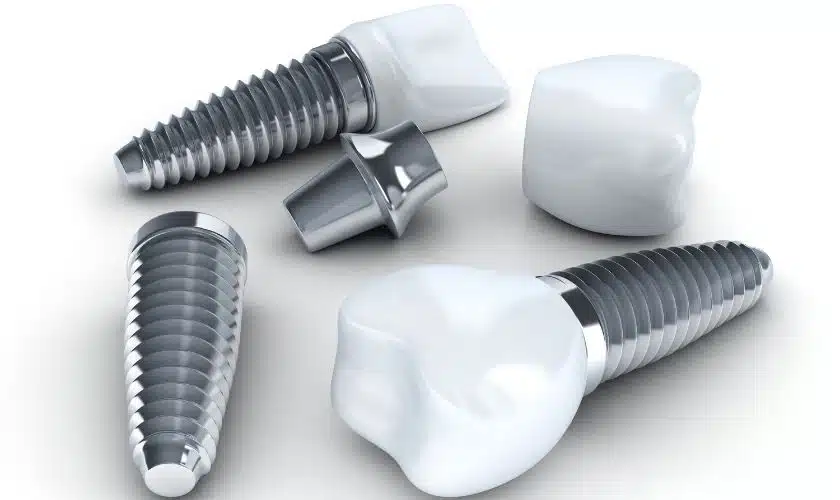
Dental implants have revolutionized the field of dentistry, offering a durable and natural-looking solution for individuals with missing teeth. One crucial factor that significantly influences the success of dental implant placement is the bone density at the implant site.
Let’s explore four essential strategies to enhance bone density, ensuring optimal conditions for successful dental implant placement.
- Nutrient-Rich Diet:
A well-balanced and nutrient-rich diet plays a pivotal role in maintaining overall health, including the health of your bones. Calcium, phosphorus, and vitamin D are particularly vital for bone health. Dairy products, leafy greens, fish, and fortified foods are excellent sources of these nutrients. Incorporating these into your diet can contribute to improved bone density, creating a solid foundation for dental implants success.
- Bone Grafting:
For individuals with insufficient bone density, bone grafting is a highly effective strategy. This procedure involves transplanting bone tissue to the implant site, stimulating new bone growth. Various sources of bone grafts, such as autografts (from the patient’s own body), allografts (from a donor), and xenografts (from animals), can be utilized based on individual needs. Bone grafting not only enhances bone density but also provides a supportive structure for the dental implant.
- Dental Implant Placement Techniques:
The technique used during dental implant placement can significantly impact bone density. Modern advancements in implant dentistry, such as minimally invasive techniques and computer-guided implant surgery, allow for precise placement and preservation of existing bone. These techniques reduce trauma to surrounding tissues, promote faster healing, and contribute to the long-term stability of the implant.
- Regular Exercise:
Engaging in weight-bearing exercises, such as walking, jogging, or weightlifting, can have a positive impact on bone density. Physical activity stimulates bone formation and strengthens existing bone tissue. Additionally, resistance training and weightlifting help promote the production of growth factors that contribute to bone health. Incorporating regular exercise into your routine can complement other strategies for enhancing bone density and support the success of dental implant placement.
Conclusion:
Achieving optimal bone density is a key factor in the success of dental implant placement. By adopting these strategies – maintaining a nutrient-rich diet, considering bone grafting when necessary, utilizing advanced implant placement techniques, and incorporating regular exercise – individuals can enhance their bone density and set the stage for successful and long-lasting dental implants. Consultation with a qualified dental professional is essential to determine the most suitable strategy based on individual needs and circumstances. Remember, a solid foundation leads to a confident and radiant smile that lasts a lifetime.